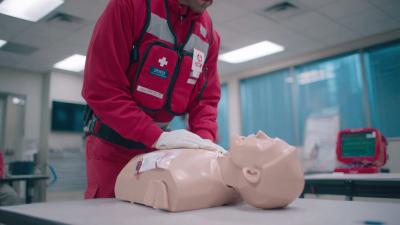
Why Use a Medical Manikin for Healthcare Training?
Why use a Medical Manikin in healthcare training? Because clinical skills need practice before they are tested on real patients. In a simulation room, learners can check a pulse, position an airway, and respond to changing monitor readings. They can make mistakes, pause, and try again. The setting is controlled. The pressure can still feel real.
Evidence points to meaningful benefits, with an important caveat. A 2011 JAMA systematic review by Cook and colleagues examined 609 studies involving 35,226 learners. It found that technology-enhanced simulation was associated with improved learning outcomes across health professions. Those findings support simulation as a teaching method, but do not mean every manikin or course works equally well. Instructor feedback and realistic practice scenarios matter.
Medical simulation pioneer David Gaba described simulation as “a technique—not a technology—for replacing or amplifying real experiences with guided experiences.” His definition helps explain why a Medical Manikin is more than equipment: it gives learners a setting to rehearse decisions and teamwork. A manikin cannot reproduce every patient’s fear, pain, or response. That gap matters. Training teams should reflect on what the model can teach—and what it cannot. Used thoughtfully, it can help learners build confidence before care becomes urgent. Cook DA et al., JAMA, 2011;306(9):978–988. Gaba DM, Simulation in Healthcare, 2004;1(1):48–56.
What a Medical Manikin Is and How It Works
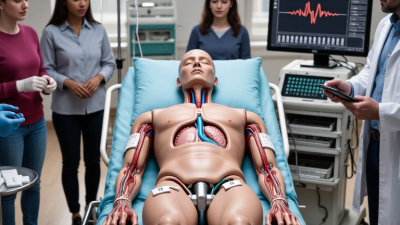
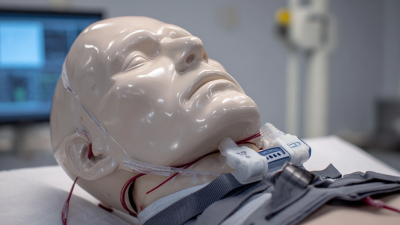
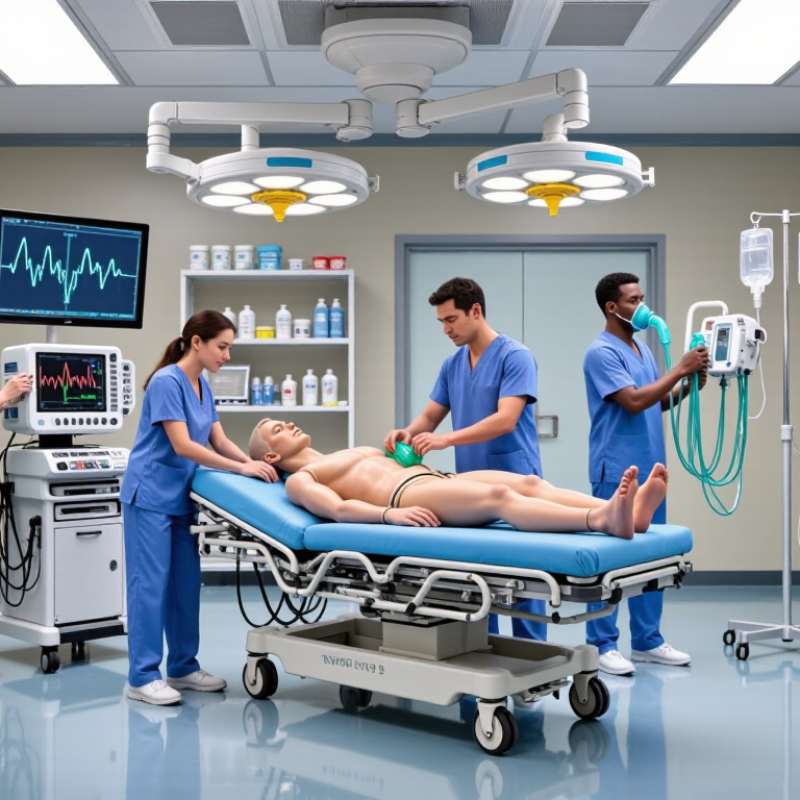
A medical manikin is a physical model used to practise clinical skills in a controlled setting. Some models show basic anatomy, while others simulate breathing, pulses, or changing vital signs. A learner might check a pulse at the wrist, listen to chest sounds, and describe findings aloud. The instructor can adjust the scenario as it develops. Some manikins include sensors that register hand placement, compression depth, or ventilation rate. Others rely on direct observation and discussion. The level of detail varies.
The manikin works as part of a training system, not on its own. An instructor sets a clinical scenario, gives learners relevant information, and observes their actions. Feedback may come from the instructor, built-in signals, or both. For example, a manikin may display a falling oxygen reading after a simulated change in breathing. Learners can pause, repeat a skill, and discuss what they noticed. That helps make practice more deliberate. Still, a model cannot reproduce every human response, and its feedback may oversimplify a complex situation. A realistic-looking chest does not guarantee realistic decision-making. Training works best when technical practice is paired with clear guidance, reflection, and careful attention to the limits of the simulation.
How Manikins Create Safe, Hands-On Practice
Why Use a Medical Manikin for Healthcare Training?
How Manikins Create Safe, Hands-On Practice
A manikin lets learners practise essential skills before caring for a real patient. They can check a pulse, position an airway, or respond to changing vital signs in a controlled setting. Mistakes become opportunities to pause, repeat a step, and discuss what went wrong without putting a patient at risk. That matters. Realistic practice can also help teams communicate clearly under pressure. Yet a manikin cannot reproduce every human response; a simulated pulse may feel less urgent than a frightened patient’s.
Evidence supports simulation as part of training, when it is well designed. In the 2014 National Council of State Boards of Nursing National Simulation Study, 666 nursing students at 10 schools were followed. The study found comparable competency and licensure exam outcomes when high-quality simulation replaced up to 50% of clinical hours. It assessed simulation curricula, not manikins alone, so the findings should not be treated as proof that equipment can replace all clinical experience.
Tips: Set a clear goal for each session, such as recognising respiratory distress. Let learners practise, then debrief specific actions and decisions. Check that the scenario and manikin settings match the skill being taught; realism without thoughtful feedback can still leave gaps.
Which Clinical Skills Learners Can Develop
A medical manikin lets learners practise assessment and procedures in a controlled setting. They can check breathing, measure vital signs, recognize deterioration, manage an airway, perform CPR, and rehearse wound or catheter care. Some models respond to interventions with changing sounds or monitor readings. Learners can see how a small change, such as falling oxygen levels, should prompt reassessment. That matters. The World Health Organization’s 2021 patient-safety fact sheet estimates that about one in ten patients experiences harm in health care, with more than half of that harm considered preventable. Safe practice needs more than technical accuracy; learners must also notice risks and communicate them clearly.
Manikins also support clinical judgment, teamwork, and communication. In a scenario, a learner might report a patient’s changing condition, explain an intervention, and ask a colleague for help. Then pause. The National Council of State Boards of Nursing’s 2014 National Simulation Study followed 666 nursing students across 10 schools. It found comparable outcomes when high-quality simulation replaced up to 50 percent of clinical hours. This supports simulation as a structured learning method, not a substitute for every patient encounter. A manikin cannot show fear, pain, or a family’s concern. Learners need supervised human contact, too—and instructors should make time to discuss what went wrong, not only what went well.
How Simulation Supports Assessment and Feedback
During a simulation, a medical manikin lets instructors observe actions that are difficult to assess through discussion alone. They can note whether a learner checks identity, explains a procedure, and reassesses breathing after an intervention. Small details matter. Did the learner pause before moving the patient? Was the call for help clear? These observable steps create a fairer basis for feedback than a vague impression of confidence.
After the scenario, feedback works best when it refers to specific moments, not personal traits. An instructor might say,
“You began compressions promptly, but your hand position shifted near the end.”
That gives the learner one behavior to repeat and one to practice. A checklist can help, though it cannot replace a careful conversation. Keep it human.
Assessment should match the skill being taught. A manikin can support practice in airway positioning, CPR technique, or response to a sudden change in vital signs. However, simulation scores do not automatically show how someone will perform in a busy clinical setting. Room noise, team roles, and anxiety can change decisions. That limitation deserves attention. Repeated scenarios and consistent criteria help, while learner reflection adds another perspective. Sometimes the most useful comment comes from the learner:
“I rushed when the monitor alarm sounded.”
That admission can guide the next practice, and instructors should stay open to revising their own assumptions.
Where Medical Manikins Fit in Healthcare Training
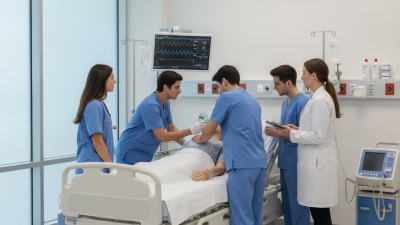
Medical manikins fit between classroom teaching and supervised clinical practice. In a skills lab, learners can practise checking a pulse, positioning a patient, or responding to changing vital signs. Instructors can pause a scenario, ask what the team noticed, then run it again. That repeatability matters. It lets learners make mistakes without placing a real patient at risk.
The evidence supports simulation as part of training, not a substitute for every clinical experience. A 2011 JAMA review by Cook and colleagues analysed 609 studies involving 35,226 trainees and found improved learning outcomes with technology-enhanced simulation. In a separate National Council of State Boards of Nursing study, 666 nursing students at 10 schools had comparable outcomes when high-quality simulation replaced up to half of clinical hours. Manikins can support skills practice, team communication, and assessment, but they cannot reproduce a patient’s fear, an unexpected family question, or every clinical nuance. This is an imperfect boundary. Training plans work best when manikin sessions connect to feedback, sound clinical teaching, and real patient care.