What Are the Top Medical Mannequin Manufacturers in China?
Choosing a Medical Mannequin manufacturer in China takes more than comparing catalog photos and prices. A realistic face can impress in a demonstration, yet the airway, joints, and replacement parts matter during repeated training. Buyers should examine product range, material quality, customization options, production experience, and after-sales support. Small details count. A loose connector can interrupt a lesson.
The principle behind a careful comparison is captured by physician and simulation researcher Dr. David M. Gaba: “Simulation is a technique, not a technology.” His observation reminds buyers that a mannequin serves a learning goal; it is not valuable simply because it has more features. For nursing practice, emergency response, or anatomy instruction, the right model should fit the learners, scenario, and available maintenance resources. Ask for clear product specifications and, where possible, a live demonstration.
This guide introduces leading Chinese manufacturers and the differences buyers may want to investigate. It considers product specialization, customization, quality controls, export experience, and communication after purchase. A supplier’s polished brochure is useful, but it cannot answer every practical question. Request details about cleaning, consumables, repair timelines, and training materials. Compare answers, not just claims. No ranking is perfectly objective: a school with a modest budget may value dependable basic models, while a simulation center may need advanced functions. The best choice is rarely the most complicated one. It is the one that works reliably in real teaching conditions.
Understanding Medical Mannequins and Their Role in Healthcare Training
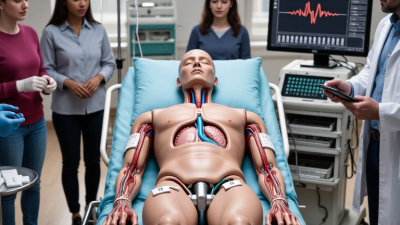
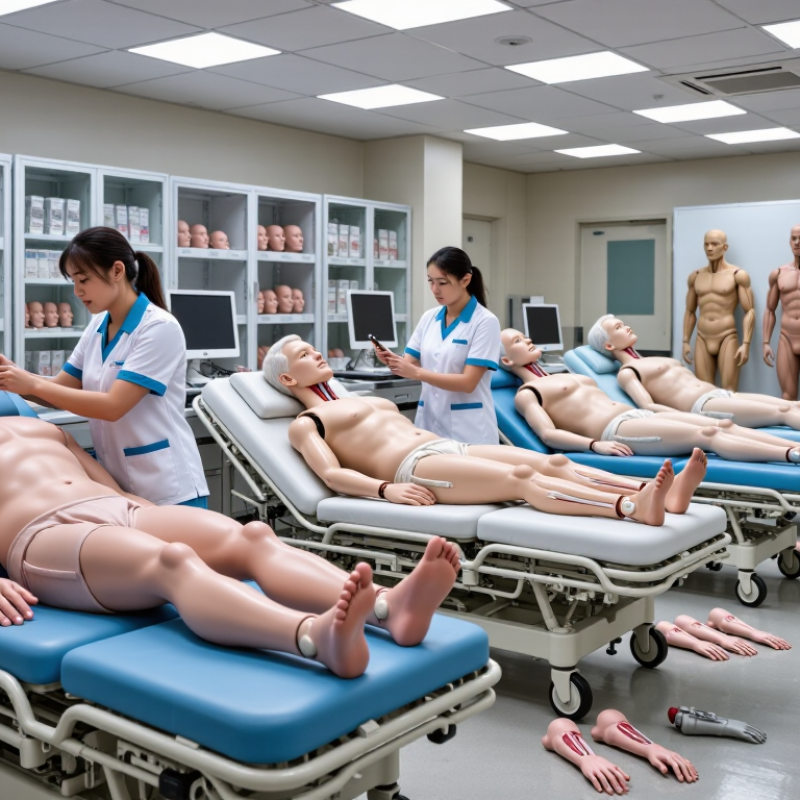
Medical mannequins give healthcare learners a safe place to practise before treating patients. A basic torso can teach chest-compression depth and hand position. More advanced models can simulate breathing, pulse changes, and patient responses. Repeating a procedure helps learners build coordination, while instructors can pause the exercise and correct technique.
The NCSBN National Simulation Study, published in 2014, followed 666 nursing students across 10 programs. It found comparable educational outcomes when high-quality simulation replaced up to half of traditional clinical hours. This supports simulation as part of training, not a substitute for every real patient interaction.
A mannequin cannot convey fear, discomfort, or a family’s difficult questions. That gap matters. A realistic model also needs clear learning goals and useful instructor feedback; realism alone does not guarantee better practice.
Tips: Match the mannequin’s functions to the skills being taught. Check that replacement parts, cleaning instructions, and setup support are practical for everyday classes. Ask instructors to test the model with a real lesson plan before choosing it.
How to Evaluate Medical Mannequin Manufacturers in China
When evaluating medical mannequin manufacturers in China, begin with the training task, not the product photos. A CPR model should have a stable chest, clear landmarks, and feedback that instructors can reset quickly. For a nursing simulator, check skin texture, joint movement, and whether common procedures can be repeated without loose fittings. Ask for close-up images and a live demonstration. Small details matter.
Request material specifications, inspection records, and instructions for cleaning and maintenance. Confirm what is included, such as replacement parts, accessories, and user training. If customization is offered, ask how changes affect testing, delivery time, and repair support. A polished catalog is not proof of consistent production. Compare a sample against the stated features, and ask how defects are recorded and handled. These checks take time.
Communication is part of the evaluation. Send a specific question about a feature, then note whether the answer is clear and technically useful. Ask for recent references from education or clinical training settings, while respecting customer privacy. A factory video may help, but it can hide details; request views of assembly and final inspection. Even a careful checklist can miss something, especially when several models look nearly identical. I would record uncertainties rather than assume every claim is confirmed.
Leading Types of Medical Mannequins Made by Chinese Manufacturers
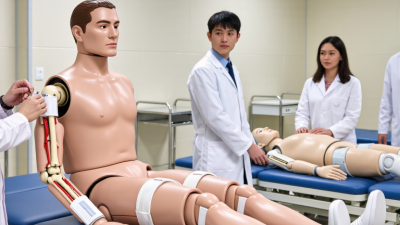
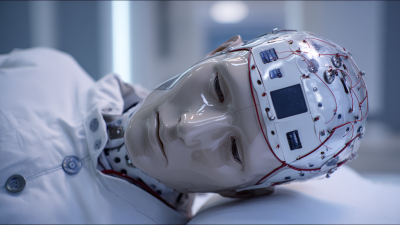
Chinese manufacturers produce medical mannequins for classroom practice, clinical skills labs, and emergency-response training. Common designs include full-body patient simulators, CPR torsos, nursing-care models, and focused task trainers. Many use molded polymer skins over sturdy internal frames. Some include movable joints, replaceable parts, or simple electronic feedback. The details matter: a chest should compress consistently, and an injection arm should withstand repeated practice. Small differences count.
Nursing mannequins help learners rehearse bathing, dressing, positioning, and basic patient transfers. CPR models let instructors check hand placement and compression depth. Childbirth simulators support practice with delivery positioning and newborn care, while trauma models can reproduce selected wounds for assessment exercises. Anatomy models show organs or body systems clearly, but they do not replace hands-on patient experience. They serve a different purpose.
Choosing a model depends on learners’ skill levels, course goals, and available maintenance support. Ask how parts are replaced and how feedback is calibrated. Request a demonstration when possible; a feature list alone can be misleading. A highly detailed simulator may look impressive yet feel awkward during routine practice. Fit matters. Even experienced educators may need to revise lesson plans after testing a new model, because realistic practice is not always intuitive.
Comparing Manufacturer Capabilities, Quality, and Customization
What Are the Top Medical Mannequin Manufacturers in China?
Comparing capabilities means looking beyond product photos. A manufacturer’s range may include basic anatomy models, task trainers, and full-body simulation mannequins. Ask which procedures each model supports and how its parts are replaced. Small details matter. Check the skin’s feel, joint movement, airway access, and whether fluids can be cleaned from narrow channels. Request a sample or live demonstration when possible. A clear response about materials and maintenance is more useful than a broad promise of realism. Quality also depends on consistent assembly, durable connectors, and usable instructions. Ask for inspection records and product specifications, then compare them against your training needs.
Customization can cover skin tone, anatomy, accessories, software, and printed labels. Yet every extra feature can increase cost, lead time, or repair complexity. Be specific: share a written scenario, photos of required connections, and a list of must-have functions. Confirm which changes affect replacement parts. Test the final configuration with instructors, not only purchasing staff. There may be compromises. A highly realistic surface can be harder to disinfect, while a simpler model may withstand frequent practice better. No checklist removes every uncertainty, and a sample may not reveal long-term wear. That is worth remembering. Compare service support, spare-part availability, and warranty terms alongside the mannequin itself.
Choosing a Medical Mannequin Manufacturer for Your Needs
Choosing a medical mannequin manufacturer starts with the training task, not the product catalogue. A model for CPR practice needs reliable chest recoil and clear hand-placement landmarks. An airway trainer needs accessible parts and connections that tolerate repeated setup. Write down the skills, learner age range, and expected weekly use before requesting a quotation. Details matter.
Assess materials, movement, and maintenance with a sample or live demonstration. Check whether skin surfaces clean easily, joints stay secure, and replacement parts are available. Ask how the factory inspects finished units and whether it can provide product specifications, inspection records, and clear operating instructions. Ask for evidence. A polished demonstration is useful, but it cannot show how a mannequin performs after months of classroom use.
Compare the full cost, including spare parts, packaging, shipping, and service response times. Confirm production schedules and how custom features affect delivery. Request references from buyers with similar training needs, then ask what required repair or adjustment. No checklist catches every issue. It is easy to overvalue realistic appearance and overlook setup time; a short hands-on trial may reveal that problem before a large order.
Choosing a Medical Mannequin Manufacturer: Suggested Evaluation Weights
Use these suggested weights to compare shortlisted manufacturers against your training and procurement needs. They are an evaluation framework, not company ratings or market-share data.