2026 Top Medical Mannequin Trends for Global Buyers?
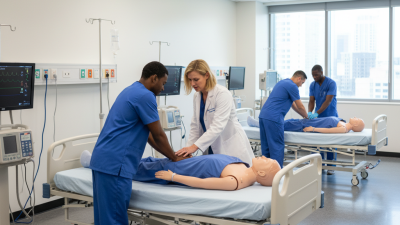
In the fast-evolving world of healthcare education, medical mannequins play a pivotal role. By realistically simulating patient scenarios, these innovative tools enhance the learning experience for medical students and professionals alike. The demand for advanced medical mannequins is growing globally, reflecting the need for enhanced training methods.
As we approach 2026, several trends are shaping the future of medical mannequins. Developments in technology allow for greater interactivity and realism. For instance, mannequins can now simulate vital sign changes, providing a more immersive training environment. Manufacturers focus on ergonomics and ease of use, making them accessible to a wider audience. However, the integration of AI raises ethical concerns that deserve attention.
Moreover, sustainability is becoming crucial. Buyers are increasingly interested in eco-friendly materials for medical mannequins. This shift reflects a broader commitment to environmental responsibility in healthcare. Despite these advancements, challenges remain. Some products may not meet the diverse needs of all training programs. The key is to balance innovation with practicality, ensuring effective education while addressing potential shortcomings.
Emerging Trends in Medical Simulation: A Market Analysis for 2026
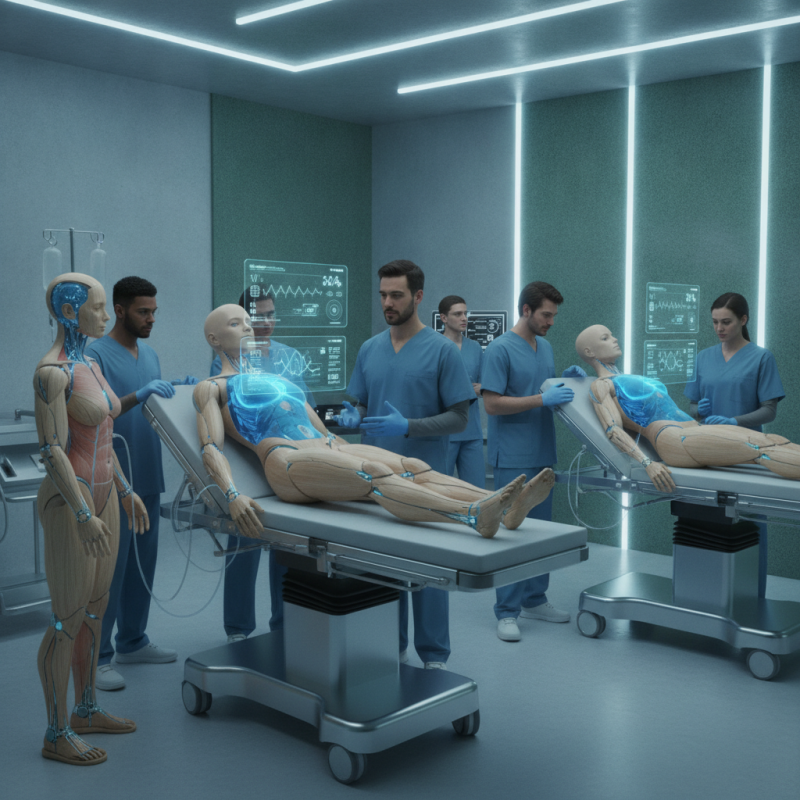
The medical simulation market is experiencing significant changes as we approach 2026. One striking trend is the shift towards highly realistic mannequins. These sophisticated tools enhance the fidelity of training scenarios. They mimic human responses better than ever, allowing healthcare professionals to practice critical skills.
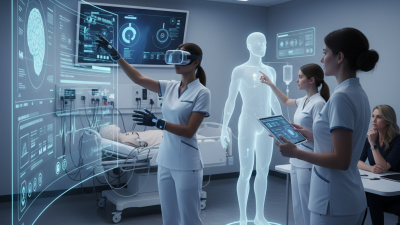
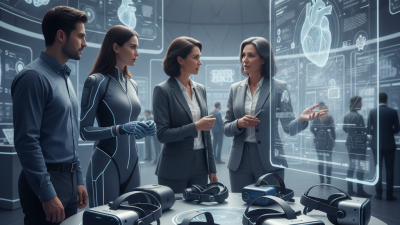
Another emerging trend is the integration of virtual reality (VR) into medical simulations. This technology enables immersive experiences, simulating complex environments. While many appreciate VR's potential, there are questions about accessibility and user experience. Not all training centers can afford the latest technology, which may widen the gap in education quality.
In addition, sustainability is becoming a priority. Companies are exploring eco-friendly materials to produce medical mannequins. However, challenges remain in balancing durability and environmental impact. As the market evolves, these trends highlight the importance of adaptability in training methods. The need for ongoing reflection on both technological advances and their practical implications will be crucial moving forward.
Technological Innovations: The Rise of AI-Integrated Medical Mannequins
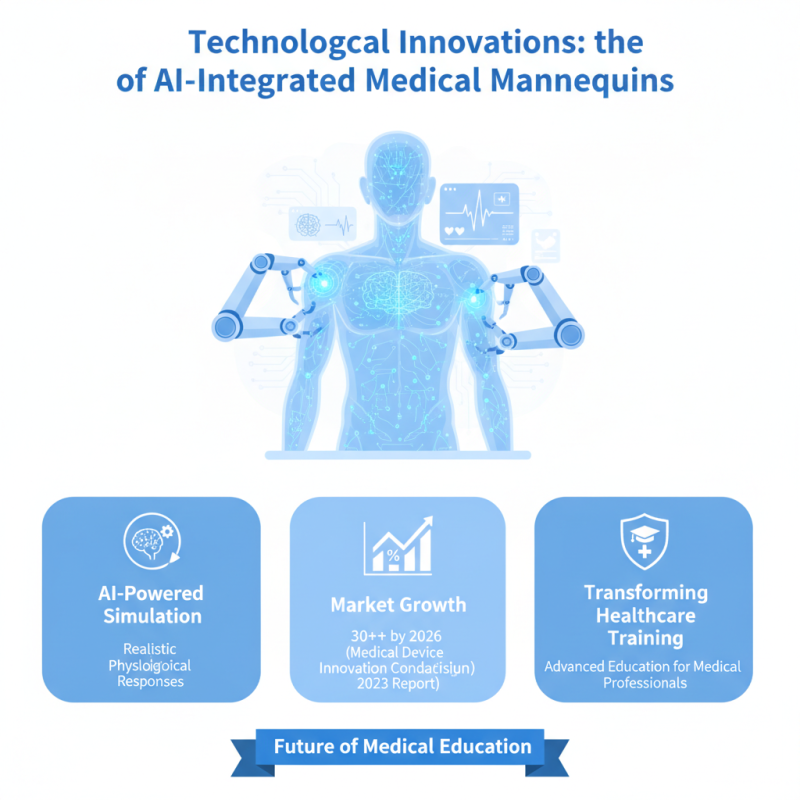
The integration of artificial intelligence (AI) into medical mannequins is transforming training and education in healthcare. According to a 2023 report by the Medical Device Innovation Consortium, AI-advanced mannequins are expected to account for over 30% of the market by 2026. These mannequins can simulate various physiological responses, providing realistic training scenarios for medical professionals.
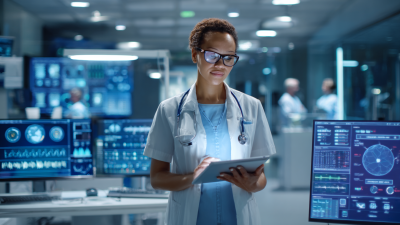
AI-driven mannequins enhance learning experiences by allowing tailored feedback. They can monitor trainees' actions and provide real-time performance data. This immediate feedback is crucial in refining skills. However, the reliance on technology raises concerns. Can AI accurately assess complex human behaviors? It's essential to balance innovation with the need for human intuition in medical training.
Moreover, not all institutions can afford these high-tech mannequins. As a result, disparities in training quality may emerge. Some education facilities will remain with basic models, potentially widening the gap in competency among healthcare professionals. As the industry advances, these challenges require thoughtful solutions to ensure equitable access to cutting-edge training tools.
Sustainability and Eco-Friendly Materials in Mannequin Production
The future of medical mannequins is leaning towards sustainability. As global awareness of environmental issues grows, manufacturers are shifting to eco-friendly materials. Recent reports indicate that the use of biodegradable plastics in medical equipment saw a significant rise. By 2024, it's projected that 30% of all medical mannequins will incorporate sustainable materials.
Adopting sustainable practices is not merely an option; it’s becoming a necessity. Many buyers now prioritize products made from recycled materials. Reports indicate that consumers are willing to pay up to 10% more for eco-friendly products. This trend reflects a commitment to environmental responsibility and a push for greener practices within the healthcare industry.
Tips for buyers: Look for certifications that indicate sustainable production practices. Always inquire about the materials used. This can lead to making informed choices. Keep in mind that not all products labeled as “eco-friendly” meet the same standards. Reflect on the long-term impacts of your purchasing decisions on the environment. Aim for transparency in sourcing to truly support sustainable practices.
2026 Top Medical Mannequin Trends for Global Buyers
The Impact of VR and AR on Medical Training: Future Perspectives
Virtual Reality (VR) and Augmented Reality (AR) are revolutionizing medical training. Reports indicate that the global market for VR in healthcare is expected to reach $3.8 billion by 2026. This indicates a growing recognition of VR's benefits in creating immersive learning experiences. Medical professionals can practice procedures in a risk-free environment, enhancing their skills significantly.
One notable statistic shows that 70% of medical students prefer VR simulations over traditional methods. These simulations provide detailed 3D anatomy, allowing learners to explore complex structures. However, this technology is not without its challenges. Some instructors find it difficult to integrate VR into existing curriculums. Additionally, the high cost of VR equipment may limit its accessibility in some institutions.
AR, on the other hand, overlays information onto the real world, allowing for interactive learning. A report suggests that AR can increase retention rates by up to 40%. Despite these advantages, educators must ensure that AR content is reliable and accurate. Misinformation could compromise the quality of training. Both VR and AR have promising potential, but they require thoughtful implementation to truly enhance medical education.
2026 Top Medical Mannequin Trends for Global Buyers - The Impact of VR and AR on Medical Training: Future Perspectives
| Trend |
Description |
Impact on Training |
Adoption Rate (%) |
| Integration of VR |
Virtual reality will be increasingly used for immersive training experiences. |
Enhances retention and application of skills. |
75% |
| Smart Mannequins |
High-tech mannequins equipped with sensors for real-time feedback. |
Provides immediate assessments and enhances learning outcomes. |
65% |
| AR for Simulation |
Augmented reality overlays real-world scenarios for scenario-based training. |
Increases engagement and contextual learning. |
70% |
| Mobile Training Units |
Portable setups for training in diverse locations. |
Facilitates access to training for underserved areas. |
50% |
| Collaborative Learning |
Team-based training sessions using sophisticated mannequins. |
Promotes teamwork and communication skills in healthcare. |
60% |
Global Market Forecast: Insights into Medical Mannequin Demand Through 2026
The demand for medical mannequins has surged in recent years, driven by a growing need for realistic training tools in healthcare. According to a recent market analysis, the global medical mannequin market is projected to reach USD 400 million by 2026, with a compound annual growth rate (CAGR) of 6.5%. This growth is primarily fueled by increased investment in medical education and innovations in simulation technology.
In medical training, mannequins are invaluable. They provide hands-on experiences that can enhance learning outcomes. With the rise of telemedicine and remote education, there's a noticeable trend toward smart mannequins integrated with digital components. These high-tech models facilitate remote training and real-time feedback, which can significantly improve medical responses during emergencies.
Tip: When selecting medical mannequins, consider the specific training needs. Not all mannequins are created equal. It's essential to choose models that reflect realistic anatomy and can simulate various medical scenarios effectively.
Moreover, there are challenges in the industry. Some older mannequin designs may not reflect the latest medical practices or technologies. It’s crucial for training programs to ensure that their resources stay current. Investing in state-of-the-art mannequins is a step towards closing this gap and enhancing educational effectiveness.