Top Patient Simulation Scenarios for Effective Training Use?
In the realm of healthcare training, effective learning is essential. Patient Simulation Scenarios have emerged as a vital tool in this process. According to a recent report by the Society for Simulation in Healthcare, 85% of nurses felt more confident in their skills after participating in simulation-based training. This highlights the importance of immersive scenarios in bridging the gap between theoretical knowledge and real-world application.
Dr. Mark Anderson, a leading expert in patient simulation, states, “Effective training through Patient Simulation Scenarios can significantly enhance clinical competencies.” Such scenarios allow healthcare professionals to practice decision-making in high-pressure situations. However, not all simulations are designed equally. Some lack realism or fail to engage participants fully, highlighting the need for ongoing evaluation and refinement.
As healthcare becomes increasingly complex, Patient Simulation Scenarios must evolve. Training programs should focus on creating realistic scenarios that allow for critical thinking and problem-solving. Addressing the shortcomings of current training methods is essential for developing caregivers who are prepared for real-life challenges.
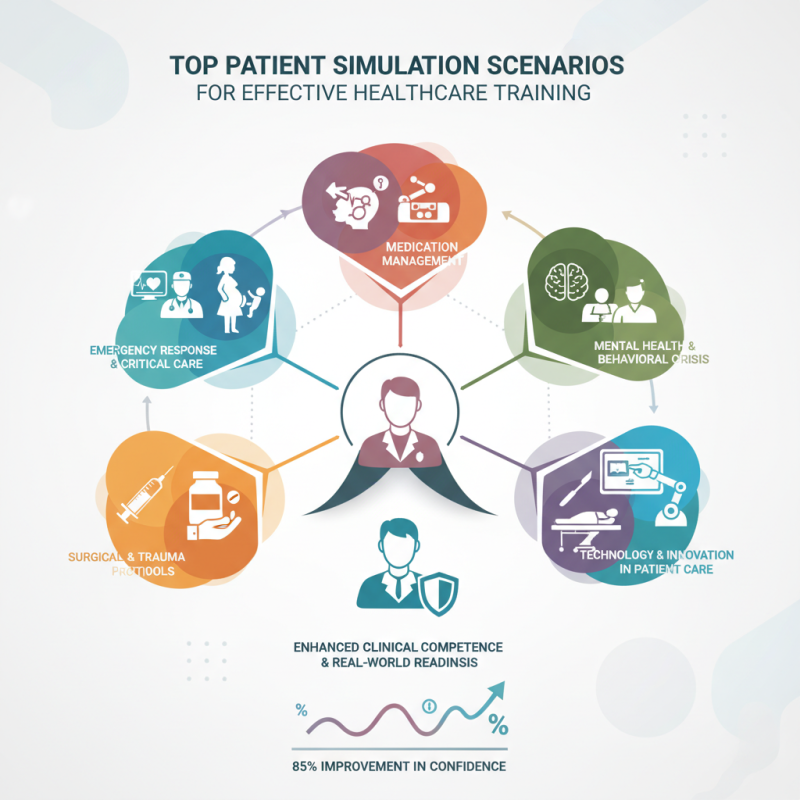
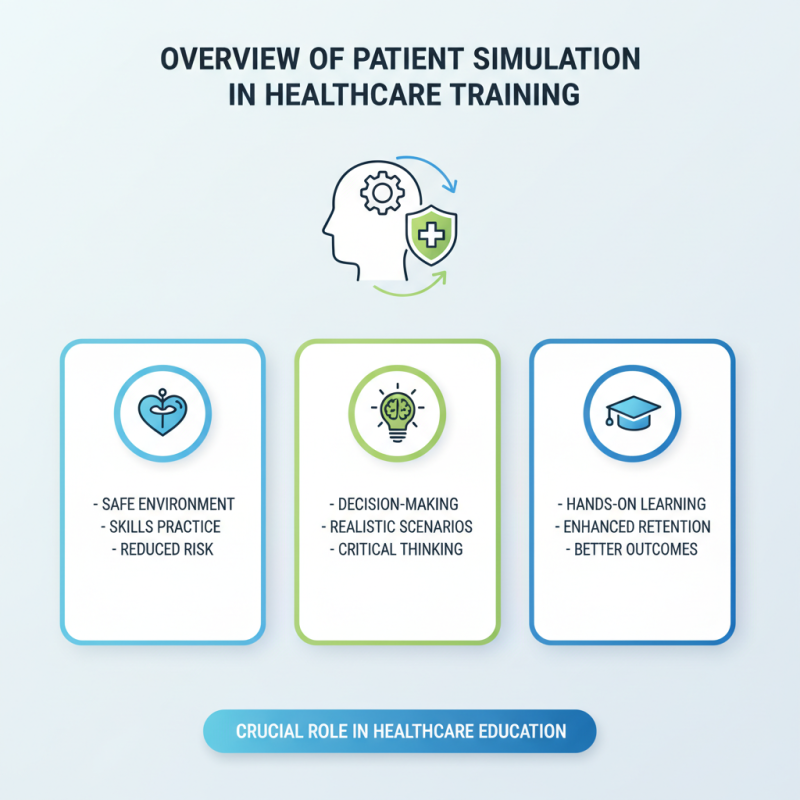
Overview of Patient Simulation in Healthcare Training
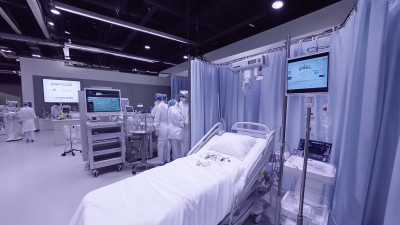
Patient simulation plays a crucial role in healthcare training. It provides a safe environment for learners to practice their skills. Through realistic scenarios, healthcare professionals can refine their decision-making abilities. This hands-on approach enhances learning retention compared to traditional methods.
Tips: Focus on scenarios that mimic real-life situations. Create challenges that test clinical judgment, teamwork, and communication. Debriefing after simulations is essential for reflection and growth. Encourage participants to share their thoughts about their performances.
Simulation training identifies weaknesses. Participants may struggle with unexpected challenges. This leads to valuable lessons. Emphasizing a culture of learning and improvement can foster resilience in future scenarios. Continuous feedback helps learners adapt and enhance their skills, ultimately leading to better patient care.
Key Objectives of Effective Patient Simulation Scenarios
Effective patient simulation scenarios play a crucial role in training healthcare professionals. These scenarios emphasize key objectives that enhance learning outcomes. One important objective is to improve clinical decision-making skills. Simulations create realistic environments where learners can face complex patient situations. This allows them to practice critical thinking under pressure.
Another objective is fostering teamwork and communication among healthcare teams. Scenarios often involve multiple roles, encouraging participants to interact and collaborate. Effective communication can be the difference between life and death. Realistic simulations help build these essential skills. However, not all simulations achieve this goal. Some may lack realism, making it challenging for learners to engage fully.
Lastly, assessing participants' performance is vital. Trainers can identify strengths and weaknesses through detailed feedback. Yet, sometimes feedback may focus too much on positive reinforcement. This approach can mask areas that require improvement. Creating a balanced feedback system is essential for fostering growth and effective learning.
Top Patient Simulation Scenarios for Effective Training Use
Common Patient Simulation Scenarios Used in Training Programs
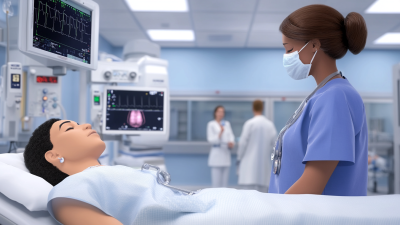
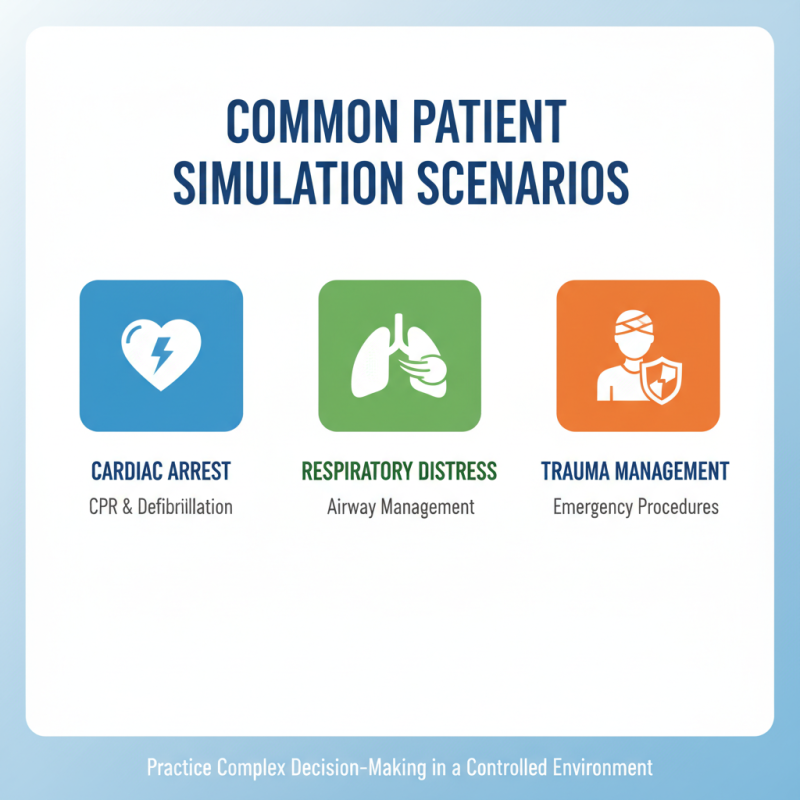
Patient simulation scenarios play a crucial role in healthcare training. They enable learners to practice complex decision-making in a controlled environment. Common scenarios include cardiac arrest, respiratory distress, and trauma management. Each scenario is designed to replicate real-life situations that medical professionals may face.
In a cardiac arrest simulation, participants experience high-pressure situations. They must assess patients rapidly and administer CPR or use defibrillators. These moments create opportunities for reflection and improvement. Respiratory distress scenarios challenge learners to manage airway complications effectively. Here, practitioners develop skills in patient assessment and intervention.
While these simulations enhance skills, there are areas for growth. Sometimes, participants may overlook essential assessment steps. This oversight can create learning gaps. Facilitators should encourage discussions about mistakes and misunderstandings. Reflection on these experiences fosters a deeper understanding of patient care.
Assessment and Feedback Mechanisms in Simulation Training
In simulation training, assessment and feedback mechanisms play a crucial role. Effective feedback helps learners understand their strengths and weaknesses. In real-life scenarios, timed critiques can enhance learning. Engaging in peer assessments can foster valuable discussions. This interaction can reveal blind spots in one's performance.
Tips: Incorporate regular feedback sessions. Encourage open dialogue between trainers and learners. This creates a safe space for sharing experiences. Reflection on feedback is essential for development.
Using objective assessment criteria allows trainers to offer focused insights. Assessments should be clear and relevant. Mistakes can serve as powerful learning opportunities. Often, learners may feel overwhelmed by feedback, leading to confusion. Adjusting the approach based on individual learner needs can help.
Tips: Use checklists for clarity. Ensure that feedback is constructive and specific. Celebrate small victories to motivate learners. Balancing critique with encouragement fosters a supportive environment. This can significantly improve the overall training experience.
Innovative Technologies Enhancing Patient Simulation Experiences
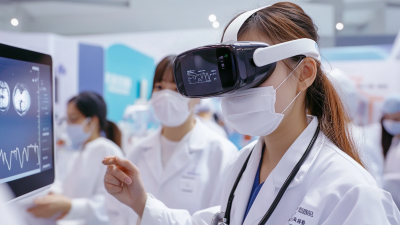
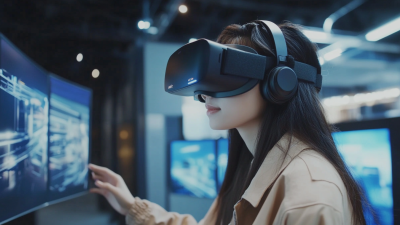
Innovative technologies are revolutionizing patient simulation experiences in healthcare education. Virtual reality (VR) provides immersive environments for medical professionals to practice complex procedures. This technology engages learners by creating realistic scenarios they may face in real life. Trainees can interact with virtual patients, enhancing their diagnostic skills and decision-making.
Simulation training can also incorporate augmented reality (AR). Unlike VR, AR overlays digital information onto the real world. This allows trainees to enhance their learning as they observe real patients. AR creates a bridge between physical practice and theoretical knowledge. However, it requires careful design to ensure learners derive the intended benefits.
Tips: Encourage learners to reflect on their experiences. Ask what felt challenging in the simulations. This can increase self-awareness and promote deeper understanding. Offer feedback sessions where participants share their perspectives on technology-driven scenarios. This collaborative approach can unveil different learning opportunities. Remember that technology should complement training but not replace the foundational skills of patient care.