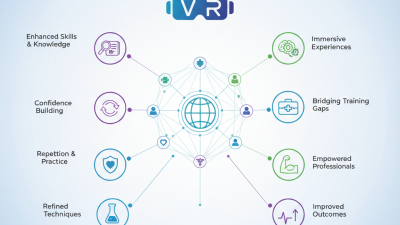
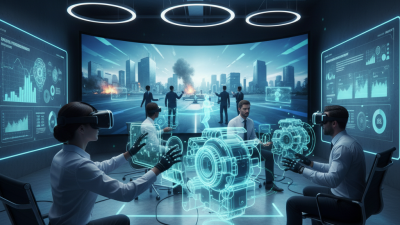
Vr Training In Healthcare is changing how clinicians rehearse high-risk situations before meeting real patients. In a headset, a learner may face a silent monitor, a falling oxygen level, and an airway that suddenly becomes difficult. The scenario can pause, repeat, and record each decision. That makes practice more measurable than a single classroom demonstration. It also makes mistakes safer to examine.
The World Health Organization reports that approximately one in ten patients experiences harm during healthcare delivery. Its Global Patient Safety Action Plan 2021–2030 also states that more than half of this harm is preventable. These figures explain the growing interest in realistic simulation. PwC’s 2021 report, The Effectiveness of Virtual Reality Soft Skills Training in the Enterprise, found that VR learners completed training up to four times faster than classroom learners. They also reported stronger confidence and engagement. However, that research covered broader workplace training, not every clinical specialty. The distinction matters.
Effective VR training should support, not replace, supervised clinical education. A virtual patient cannot reproduce every human reaction, cultural factor, or equipment problem. That limitation matters. Healthcare educators still need validated objectives, trained facilitators, performance rubrics, and secure learner data. The Association for Medical Education in Europe and healthcare simulation standards emphasize structured debriefing, psychological safety, and evidence-based assessment. Without those elements, impressive graphics may create only the feeling of competence. The technology is promising, but its value depends on how carefully people design, deliver, and evaluate each scenario.
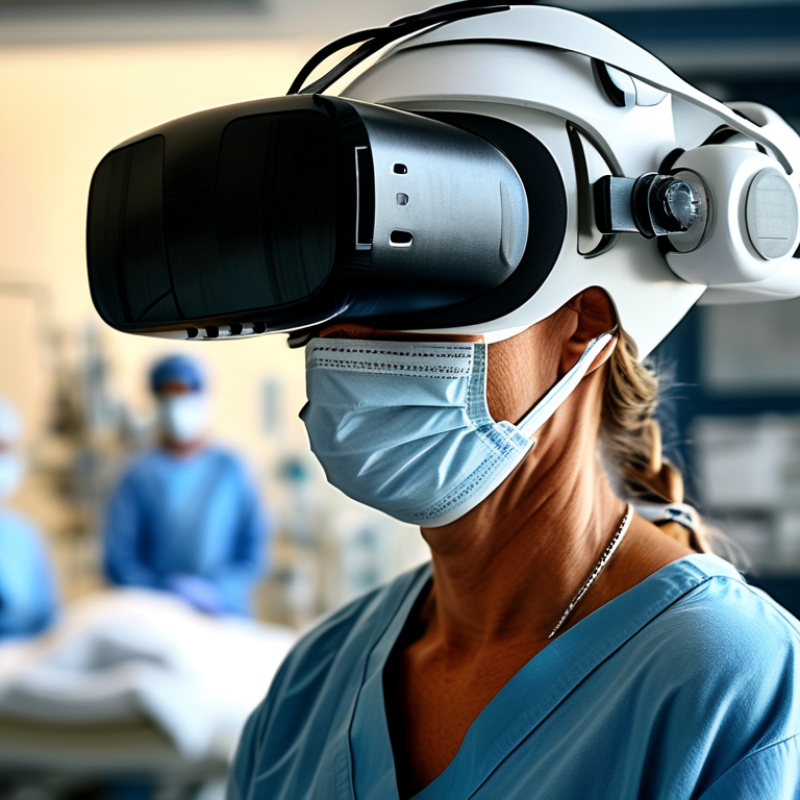
VR training in healthcare means using an immersive, computer-generated environment to teach clinical knowledge and practical decisions. Learners may examine a virtual patient, practise airway management, or respond to a simulated emergency. Motion tracking records hand movements, timing, and procedural choices. Haptic tools can add resistance, but they are not essential. The scope extends beyond surgery. It includes nursing education, rehabilitation, diagnostic reasoning, infection-control drills, and communication with distressed patients. The Association of American Medical Colleges projects a United States physician shortage of up to 86,000 doctors by 2036. Scalable practice tools may help institutions use expert teaching time more efficiently.
Evidence is promising, but it needs careful interpretation. PwC’s 2020 VR soft-skills training report studied 1,600 learners and found that VR participants trained four times faster than classroom learners. They also reported 275% greater confidence after training. These findings do not prove equal results in clinical care. Healthcare procedures involve uncertainty, tactile judgement, and team coordination. A headset cannot fully reproduce tissue resistance or a crowded ward. Not yet. Effective programmes therefore combine VR with supervised practice, feedback, and competency assessment. The strongest use case is repeated rehearsal without patient exposure. Performance data can reveal hesitation, missed safety checks, or poor escalation decisions. Yet measurements may reward speed over judgement. That risk deserves review. Content should be validated by clinicians, tested with diverse learners, and updated when clinical guidance changes.
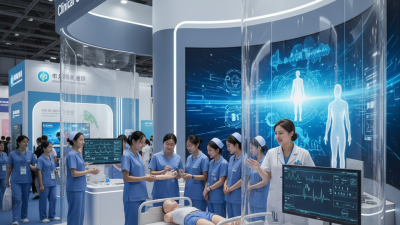
Virtual reality training in healthcare combines a headset, motion tracking, and interactive clinical software. The headset displays a three-dimensional treatment room, operating area, or patient model. Tracking sensors follow the learner’s head and hand movements. Controllers can represent instruments, needles, or medical devices. The room disappears.
Haptic systems add resistance, vibration, or pressure during simulated actions. These signals help learners notice contact, force, and movement. A software engine connects every action to the clinical scenario. If a trainee chooses an unsafe step, the system can pause, record it, or change the patient’s condition. Real-time feedback makes practice more measurable. However, haptic feedback remains limited. A virtual pulse cannot reproduce every physical cue.
Behind the headset, a learning management system stores performance data, including time, accuracy, errors, and repeated attempts. Educators can review these records against defined clinical competencies.
Reliable programs require clear objectives, calibrated equipment, accessible controls, and clinically reviewed scenarios. Motion sensors must be tested before each session. Poor calibration may turn a careful procedure into an artificial failure.
Privacy controls also matter when learner records are stored. Clinical experts should regularly update the content as guidelines and procedures change. Some simulations still need supervision, especially when learners transfer virtual skills to real patients. There is no perfect substitute for hands-on experience.
A typical VR healthcare training session begins with a clear clinical objective. The instructor explains the scenario, expected actions, and safety limits before the learner wears a headset. The learner may check virtual equipment, adjust the field of view, and confirm comfort. Small details matter. A nurse might stand beside a simulated bed while alarms sound and vital signs change. The scenario can involve patient assessment, emergency communication, or infection-control decisions. Learners practise without placing a real patient at immediate risk.
During the exercise, the system records choices, timing, communication, and procedural steps. An instructor may watch live or review the session afterward. The learner receives feedback on missed symptoms, unclear instructions, or delayed escalation. Evidence-informed training works best when virtual practice supports supervised clinical education, rather than replacing it. The technology shows patterns that busy wards may not capture consistently.
The final discussion is often the most valuable part. Learners explain why they acted, what information they noticed, and what they overlooked. Sometimes the simulation feels less realistic than expected. Hand tracking can fail, sound may distract, or motion discomfort can interrupt concentration. These limitations deserve honest discussion. A careful educator can repeat one segment, adjust the difficulty, or provide an alternative activity. Training records should be handled securely, with access limited to appropriate staff. Progress is meaningful when it leads to safer decisions in real clinical settings.
What Is VR Training in Healthcare and How Does It Work?
Virtual reality training places learners inside simulated clinical scenes. A headset tracks head movement, while controllers record hand actions. Software then responds to choices, errors, and timing. A trainee might assess a bleeding patient, position a virtual needle, or explain treatment to a worried family member. These details make practice feel immediate, without exposing patients to avoidable risk.
Clinical applications now extend across medical education and daily practice. Students can explore anatomy, repeat emergency triage, and rehearse sterile procedures. Residents can practise rare complications before facing them in theatre. Nurses can develop medication-checking and communication skills. Rehabilitation teams can also use immersive tasks to support motor recovery. The 2024 AAMC workforce report projects a United States physician shortage of up to 86,000 doctors by 2036. WHO estimates a global health-worker shortfall of 10 million by 2030. VR cannot replace supervised care, but it may expand repeated, measurable practice. Evidence remains uneven. A 2023 systematic review in Medical Teacher reported benefits for knowledge and skills, yet transfer to real clinical settings was not always consistent.
Tips: Link every simulation to a clinical competency. Record errors, not only scores. Add an instructor debrief. Check motion sickness and accessibility before assessment. Avoid assuming technical realism guarantees clinical readiness. That assumption needs testing. Experiences can also expose weaknesses in the scenario design, especially when virtual patients behave too predictably.
| Clinical Application | How the VR Training Works | Primary Users | Skills or Outcomes Targeted | Typical Assessment Data | Evidence and Implementation Notes |
|---|---|---|---|---|---|
| Anatomy and Spatial Understanding | Learners explore interactive three-dimensional anatomical models, isolate structures, change viewing angles, and review relationships between organs, vessels, bones, and tissues. | Medical students, nursing students, allied-health learners, and surgical trainees. | Anatomical recall, spatial orientation, clinical visualization, and preparation for procedures. | Knowledge-test scores, structure-identification accuracy, task completion time, and learner confidence. | Research generally supports improved engagement and short-term knowledge acquisition, although VR is best used alongside cadaveric, physical-model, or supervised clinical instruction. |
| Surgical and Interventional Simulation | A simulated operating environment presents a procedure with interactive instruments, visual guidance, anatomy, timed steps, and automated performance feedback. | Surgical residents, medical students, fellows, and procedural specialists. | Instrument handling, procedural sequencing, decision-making, anatomy recognition, and error reduction. | Procedure time, completion rate, path length, simulated errors, economy of motion, and adherence to critical steps. | Virtual simulation can improve technical-skill performance in controlled settings; transfer to real patients requires supervised practice and validated assessment tools. |
| Emergency and Critical-Care Training | Learners enter time-sensitive scenarios such as cardiac arrest, trauma, airway compromise, or shock and must assess the patient, prioritize actions, and communicate with the team. | Emergency physicians, nurses, paramedics, respiratory therapists, and multidisciplinary teams. | Clinical prioritization, crisis-resource management, teamwork, communication, and protocol adherence. | Time to intervention, diagnostic accuracy, treatment-order accuracy, communication behaviors, and adherence to emergency algorithms. | VR provides repeatable, low-risk exposure to rare or high-acuity events, but scenario realism, instructor debriefing, and technical reliability strongly affect learning value. |
| Patient Communication and Behavioral Health | Branching conversations and embodied scenarios allow learners to practice history-taking, informed consent, breaking difficult news, de-escalation, and culturally responsive communication. | Medical and nursing students, physicians, psychologists, social workers, and healthcare support staff. | Empathy, active listening, nonverbal communication, shared decision-making, and conflict management. | Communication checklists, standardized-patient ratings, learner self-efficacy, response selection, and reflective-debrief scores. | VR can create consistent practice opportunities, but human coaching remains important for nuance, emotional processing, and culturally sensitive feedback. |
| Pain Management and Procedural Support | Patients are immersed in interactive visual and auditory environments during wound care, injections, rehabilitation, or other painful procedures to redirect attention and support relaxation. | Patients receiving procedures, rehabilitation, or acute-care treatment, under clinical supervision. | Short-term pain distraction, anxiety reduction, relaxation, and treatment tolerance. | Patient-reported pain and anxiety scores, procedure tolerance, medication use, and adverse symptoms such as nausea or cybersickness. | Clinical studies report potential short-term reductions in pain and distress for selected procedures; VR is an adjunct and does not replace analgesia or clinical assessment. |
| Physical Rehabilitation and Motor Recovery | Motion tracking turns therapeutic exercises into interactive tasks, while visual feedback, scoring, and graded difficulty encourage repeated movement practice. | Patients in neurological, orthopedic, cardiac, or musculoskeletal rehabilitation, with therapists overseeing progression. | Range of motion, balance, coordination, strength, gait practice, motivation, and adherence to home exercises. | Repetition count, movement range, balance time, task accuracy, functional scores, attendance, and exercise adherence. | VR may increase motivation and provide measurable feedback, but programs must be adapted for mobility limits, visual sensitivity, fall risk, and therapist-defined goals. |
| Infection Prevention and Clinical Procedures | An interactive scenario guides learners through hand hygiene, personal protective equipment selection, sterile technique, isolation procedures, and safe equipment handling. | All clinical learners and healthcare workers involved in direct patient care. | Correct sequence, contamination avoidance, equipment selection, and adherence to institutional protocols. | Missed steps, contamination events, PPE errors, completion time, and post-training knowledge checks. | VR supports standardized repetition and immediate feedback, but local policies and hands-on competency checks must remain part of the training pathway. |
| How a VR Training Session Typically Works | The learner receives an orientation, enters a simulated environment through a headset, completes a scenario, receives automated or instructor feedback, and repeats the task at an appropriate difficulty level. | Students, clinicians, patients, educators, and rehabilitation professionals. | Experiential learning, deliberate practice, confidence building, safe error-making, and performance improvement. | Accuracy, time, errors, decisions, physiological or patient-reported responses, and performance trends across repeated sessions. | Effective programs combine clear learning objectives, realistic scenarios, accessible hardware, data privacy controls, instructor debriefing, and evaluation against real clinical outcomes. |
VR training in healthcare places learners inside realistic digital scenarios without exposing patients to avoidable risk. Through a headset, a trainee might assess breathing, respond to bleeding, or practise an emergency procedure. An instructor can pause the simulation, review decisions, and repeat difficult steps. It can feel surprisingly real.
The benefits are practical. Learners can practise rare events repeatedly and receive consistent feedback. This may improve confidence, communication, and teamwork before clinical placement. VR also supports distance learning when specialist facilities are unavailable. However, confidence is not the same as competence. Some simulations simplify human behaviour, equipment handling, or workplace pressure. Evidence is promising, but results differ across subjects and training designs. That uncertainty deserves attention.
Limitations include equipment costs, motion sickness, eye strain, and limited access for some users. A headset cannot fully reproduce touch, smell, resistance, or emotional complexity. Clinical educators should screen users for relevant medical concerns and provide clear instructions before training begins. The room needs open floor space, stable flooring, and supervision during movement. Sessions should stop immediately if dizziness, nausea, anxiety, or confusion appears. Devices require cleaning between users, especially around face-contact surfaces. Learner performance data also needs careful protection. VR is useful, but it should support supervised teaching, not quietly replace it.