Top 10 VR Training Platforms in China for Global Procurement?
In recent years, VR training platforms have emerged as vital tools for enhancing procurement processes in China. As businesses seek innovative ways to improve efficiency, virtual reality offers immersive training experiences that traditional methods cannot match. These platforms allow employees to engage with realistic scenarios, fostering better skills and understanding in procurement practices.
The competitive landscape of VR training platforms in China is diverse and rapidly evolving. Companies can benefit from a variety of options tailored to their unique needs. However, identifying the right platform can be challenging due to varying quality and support. Users often encounter issues with compatibility and relevance of content, which can hinder effective learning.
Investing in the right VR training platform is essential for companies looking to optimize their procurement strategies. With the right tools, businesses can empower their teams, ultimately leading to a more agile and responsive organization. Yet, the selection process requires careful consideration and reflection on specific training goals and outcomes.
Overview of VR Training in Global Procurement
Virtual reality (VR) training is transforming global procurement. Research indicates that companies using VR for training see a 20% increase in employee retention rates. VR enhances learning by simulating real-world scenarios. This method provides immersive experiences that traditional training cannot offer.
The effectiveness of VR training is evident in various sectors. A study shows that trainees learn four times faster in a VR environment compared to conventional methods. VR engages employees, making them more attentive and involved. Yet, this technology is not without challenges. High initial costs and the need for technical expertise can hinder adoption.
Tips: To maximize VR training benefits, focus on content relevance. Ensure scenarios reflect real procurement challenges. Regularly update the VR content to maintain engagement and effectiveness. Also, gather feedback from users to identify improvements. This iterative approach can lead to enhanced training experiences.
As companies explore VR for global procurement, they must weigh the advantages against potential drawbacks. A thoughtful strategy can lead to successful implementation and long-term benefits.
Key Features of Top VR Training Platforms
Virtual reality (VR) training platforms are emerging as powerful tools for enhancing procurement skills in China. These platforms offer immersive environments for users to practice real-world scenarios. Key features include interactive simulations, real-time feedback, and customizable training modules. Users can engage in hands-on experiences that traditional methods cannot replicate. This level of immersion helps bridge the gap between theoretical knowledge and practical application.
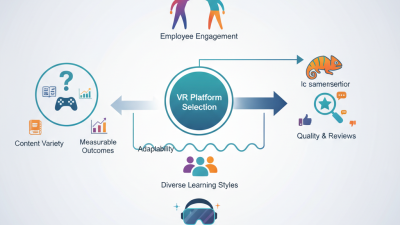
Another significant aspect is the adaptability of VR training platforms. They cater to diverse learning styles, making training more effective. Some platforms include analytics tools that track user performance. These insights help trainers adjust content based on individual progress. However, the technology also has limitations, such as the initial cost and the need for technical support. Users may find settings overwhelming without proper guidance.
The focus on user engagement is crucial. Platforms often incorporate gamification elements, which can drive motivation. But not every approach suits all learners. Some may prefer conventional training methods over VR. The challenge lies in finding the right balance between innovation and accessibility. This ongoing evaluation is essential for maximizing training effectiveness in the procurement sector.
Evaluation Criteria for VR Training Platforms
When evaluating VR training platforms, several criteria become crucial. The user experience is a key factor. It should be intuitive and engaging. Users must quickly adapt to the environment. The platforms need to offer varied scenarios. This supports skills development in different contexts.
Another important criterion is content quality. The training materials should be up-to-date and relevant. Engaging narratives can enhance learning outcomes. Metrics for assessing effectiveness also matter.
Platforms should provide analytics for progress tracking. Users want to see tangible improvements in their skills.
Finally, technical support is essential. Platforms should offer reliable customer service. Users can face challenges that need quick resolutions. An evaluation of user feedback can reveal common issues. In this evolving field, it is important to seek continuous improvement. Critiques can help enhance platform performance over time.
Detailed Profiles of Leading VR Training Providers
In recent years, virtual reality (VR) training has gained significant traction in China. As companies strive for efficiency, VR platforms offer immersive learning experiences. These providers specialize in various sectors, enhancing skills in a realistic environment. The focus is on safety training, technical skills, and soft skills development.
Leading VR training platforms emphasize user experience. They combine interactive elements with robust analytics. Some platforms allow customization based on organizational needs. This adaptability is vital. However, not all solutions meet industry standards consistently. Companies often need to evaluate them carefully to ensure effectiveness. User feedback is invaluable, often highlighting areas for improvement.
Despite technological advancements, challenges persist. Some providers lack comprehensive support systems. This can hinder long-term engagement and learning. Moreover, keeping the content relevant is essential. Providers must regularly update their offerings to stay competitive. The journey towards effective VR training is ongoing. Each provider has strengths and weaknesses. Continuous reflection on these aspects is crucial for success in global procurement training.
Trends and Future Directions in VR Training for Procurement
Virtual Reality (VR) training is revolutionizing global procurement. As businesses seek efficiency, immersive experiences enhance learning. A recent report from the International Data Corporation (IDC) indicates that 70% of companies are investing in VR training to boost employee engagement and retention. This shift is particularly vital in procurement, where decision-making skills and negotiation tactics are crucial.
Trends show that VR not only increases knowledge retention but also simulates real-life scenarios. According to a study by PwC, VR learners retain information four times more effectively than traditional methods. This approach provides a safe environment for employees to practice complex procurement processes without financial risks. Furthermore, increasing global supply chain complexities demand quicker adaptations in training.
Emerging technologies are also evolving VR training in procurement. Artificial intelligence integrates with VR to tailor content to individual learning paces. However, challenges like high initial costs and the need for continuous updates can hinder progress. Companies must evaluate the long-term benefits against potential setbacks. As procurement evolves, VR's role will grow, making training a focal point for strategic development.