Choosing clinical equipment across borders is not simply a purchasing exercise. It affects patient safety, nursing efficiency, training, maintenance, and long-term budgets. A practical Nursing Equipment List should therefore guide decisions before products enter a hospital, clinic, or home-care setting.
Dr. Elizabeth Iro, former World Health Organization Chief Nursing Officer, stated, “Nurses are the backbone of every health system.” Her observation explains why equipment must support real nursing work, not merely satisfy a catalogue requirement. A reliable list should examine essential categories, including patient beds, examination lights, infusion stands, vital-sign monitors, mobility aids, protective supplies, and sterilization accessories. Each item needs clear specifications, safety documentation, warranty terms, and service availability. A low purchase price can become expensive when replacement parts take months to arrive. That happens.
Global buyers also face differences in voltage, plug standards, language, climate, and clinical practice. A monitor suitable for one region may require different calibration or training elsewhere. Buyers should check labeling, user manuals, cleaning instructions, and compatibility with existing systems. They should also confirm whether local technicians can repair the equipment safely. The strongest suppliers explain limitations instead of promising perfection. That honesty matters.
This article introduces ten essential tips for building and reviewing a Nursing Equipment List. It considers supplier evaluation, regulatory expectations, infection prevention, staff usability, logistics, and total ownership cost. Some recommendations may need adjustment for smaller facilities or rural settings. That is normal. Good procurement remains practical, evidence-informed, and open to revision after nurses use the equipment in daily care.
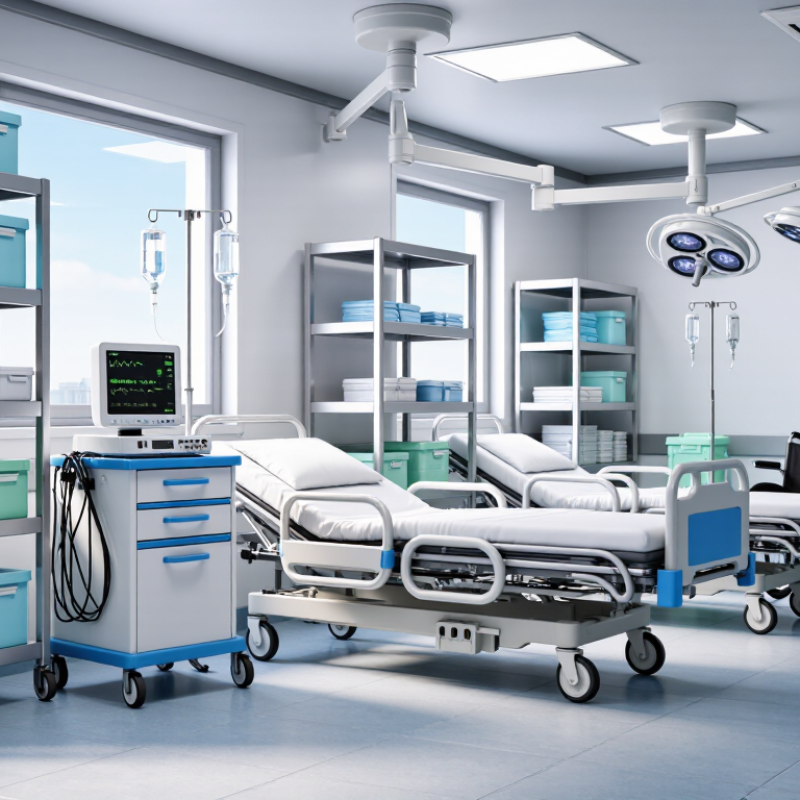
WHO projects a global shortfall of about 10 million health workers by 2030, mainly in low- and middle-income countries. A nursing equipment list must therefore support safer care with fewer available hands. It should reflect bedside reality, not only purchasing targets. Consider the ten core categories: patient assessment; vital-sign monitoring; diagnostic testing; medication administration; wound care; infection prevention; mobility and patient transfer; respiratory support; emergency and resuscitation; and hygiene, communication, and documentation.
Patient assessment includes examination lights, stethoscopes, thermometers, and weighing tools. Monitoring requires blood pressure devices, pulse oximeters, and reliable clocks. Diagnostic testing may include specimen containers and basic screening equipment. Medication equipment covers syringes, infusion sets, secure trays, and dose-measuring tools. Wound care needs sterile dressings, forceps, bandages, and disposal containers. Infection prevention depends on hand hygiene stations, protective clothing, cleaning tools, and sharps safety systems.
Mobility equipment should include transfer aids, adjustable beds, wheelchairs, and pressure injury supports. Respiratory care may require oxygen delivery accessories, suction devices, and nebulization equipment. Emergency equipment includes resuscitation bags, airway tools, and emergency carts. Hygiene and documentation tools support bathing, continence care, observation records, and team communication.
Every category needs local checks for electricity, water, storage, training, calibration, and replacement parts. A technically excellent device may fail in a hot, dusty ward. This framework is practical, but not perfect. Procurement teams should test equipment with nurses before large orders, because real workflow often exposes problems that specifications hide.
Safe nursing equipment begins with verifiable documentation, not attractive product photos. ISO 13485 shows that the manufacturer operates a medical-device quality management system. It does not prove that every device is electrically safe. Ask for a current certificate, its scope, the certified manufacturing site, and the covered device category. Check the certificate independently. Not just a logo.
IEC 60601-1 evidence is equally important for powered equipment. Review test reports for electrical safety, insulation, leakage current, grounding, and essential performance. Confirm that the tested model matches the model being shipped.
Small differences matter. Check voltage, frequency, plug type, alarms, and battery behavior. A copied report can create false confidence, especially when accessories change the device’s operating conditions.
Local regulations still control market entry and use. Confirm registration requirements, labeling language, importer responsibilities, technical files, and post-market reporting duties. Request instructions for cleaning, maintenance, calibration, and staff training.
During inspection, compare serial numbers, packaging labels, and manuals with the purchase documents. Paperwork can look complete while practical details remain unclear.
No checklist catches everything. Buyers should record unanswered questions rather than hide them. That small habit supports safer decisions and reveals weaknesses before equipment reaches a patient area.
Nursing Equipment List: 10 Essential Tips for Global Buyers
Global buyers should treat infection control as a purchasing requirement, not an optional feature. WHO and UNICEF monitoring reports show that nearly one in four health facilities lack basic water, sanitation, and hygiene services. This gap changes the equipment list. Check the care setting, patient volume, local water quality, and available power before ordering. Choose handwashing stations, alcohol-based hand rub, gloves, masks, gowns, and covered waste containers. Keep clean and used items physically separate. Select smooth, sealed surfaces that staff can disinfect between patients. Avoid equipment with hidden joints or difficult-to-clean fabric.
Ask for clear cleaning instructions and material compatibility data. Confirm whether sterilizers, thermometers, suction units, and examination lights match local voltage. Plan spare parts and basic maintenance before shipment. A cheap device becomes expensive when one missing seal stops a ward. It happens. Review packaging for humid climates, dust exposure, and long transport routes. Check measurement accuracy, user training needs, and language requirements. Include safety labels that local staff can understand quickly. Request test records, product specifications, and traceable quality documents from suppliers. These details support reliable procurement and safer clinical decisions.
Do not measure value by unit price alone. Consider water access, waste handling, storage space, and staff workload. A reusable item may reduce waste, but only when proper cleaning is realistic. Procurement teams should consult nurses, infection prevention staff, biomedical technicians, and local regulators. Their feedback may reveal a practical flaw missed in a spreadsheet. Recheck the list after a pilot order, because the first version is rarely perfect.
In 2022, only 78% of health-care facilities had basic water services, meaning roughly one in four lacked this essential foundation. Buyers should prioritize reliable water access, hand-hygiene stations, sanitation, and safe health-care waste management before expanding non-essential nursing equipment. Source: WHO/UNICEF Joint Monitoring Programme, global estimates for health-care facilities, 2022.
Nursing Equipment List: 10 Essential Tips for Global Buyers
Global procurement should begin with total cost, not the purchase price. Compare beds, wheelchairs, patient monitors, infusion stands, oxygen accessories, and examination lights by their full operating costs. Include freight, installation, staff training, spare parts, calibration, and disposal. A low-priced device may require costly adapters or frequent service visits. Ask suppliers for a five-year cost model with realistic usage assumptions. Small details matter.
Lifespan needs practical evidence. Review expected operating hours, replacement intervals, load limits, battery cycles, and corrosion resistance. Check whether essential components remain available during the equipment’s expected life. In humid coastal facilities, metal frames and electrical contacts may deteriorate faster. Short service lives hurt. Request maintenance records from similar installations when possible. A polished brochure is not enough.
Maintenance planning can protect both budgets and patients. Choose equipment with accessible filters, clear error codes, washable surfaces, and simple inspection procedures. Confirm local technicians can complete routine checks safely. Also compare response times, warranty coverage, remote support, and training materials in the working language. I have seen procurement teams overestimate staff capacity and underestimate downtime. That mistake deserves reflection. Before approving a shipment, test a sample unit, record service tasks, and calculate the cost of one unavailable device. Specifications help, but daily workflow reveals the truth.
| No. | Equipment Category | Typical Purchase Cost (USD per unit) |
Expected Service Life | Routine Maintenance | Main Consumables or Replacement Parts | Global Procurement Check | Total-Cost Evaluation Tip |
|---|---|---|---|---|---|---|---|
| 1 | Manual or Electric Hospital Bed | $350–$2,500 | 8–12 years | Inspect brakes, casters, side rails, frame, and joints every 3–6 months. Electrically powered models require safety testing according to local rules. | Casters, handset, actuators, batteries, mattress, side-rail hardware | Confirm working-load capacity, bed dimensions, plug type, voltage, emergency lowering, spare-parts availability, and applicable medical-device requirements. | Compare delivered cost, assembly, freight volume, warranty, replacement parts, and the cost of mattresses and batteries over the planned service period. |
| 2 | Pressure-Redistribution Mattress | $80–$1,200 | 3–7 years | Check cover seams, inflation, foam deformation, valves, and cleaning compatibility monthly or according to the care manual. | Covers, air hoses, pumps, filters, foam inserts | Verify patient weight range, mattress size, antimicrobial claims, cleanability, fire-performance requirements, and repair support. | Include cover replacement, cleaning labor, pump electricity, and expected replacement frequency rather than comparing purchase price alone. |
| 3 | Patient Wheelchair | $150–$1,500 | 5–10 years | Inspect brakes, tires, footrests, upholstery, frame, and fasteners monthly in high-use settings. | Tires, tubes, casters, armrests, footrests, cushions, brake cables | Check seat width, maximum user mass, folded dimensions, ramp compatibility, corrosion resistance, and accessibility requirements. | A durable frame may cost more initially but reduce tire, caster, upholstery, and downtime costs during repeated institutional use. |
| 4 | Vital Signs Monitor | $250–$2,000 | 5–8 years | Clean exterior surfaces after use; inspect cuffs, cables, probes, battery condition, and measurement accuracy. Arrange periodic calibration as required locally. | Blood-pressure cuffs, SpO2 sensors, temperature probes, batteries, printer paper | Confirm measurement ranges, adult and pediatric accessories, electrical safety, data export, language settings, and calibration documentation. | Calculate the cost of accessories and calibration; incompatible cuffs or probes can make a low-priced monitor expensive to operate. |
| 5 | Pulse Oximeter | $25–$300 | 3–5 years | Disinfect according to the instructions, inspect the sensor and display, and verify battery performance regularly. | Batteries, reusable or disposable sensors, protective cases | Check accuracy claims across the intended patient range, sensor compatibility, local registration, labeling, and operating-temperature limits. | For large quantities, sensor and battery replacement costs can exceed the initial device price over its useful life. |
| 6 | Infusion Pump | $400–$2,500 | 7–10 years | Perform cleaning, alarm checks, battery checks, occlusion testing, and scheduled calibration according to the service manual. | Administration sets, batteries, door seals, tubing guides, repair kits | Verify flow-rate accuracy, alarm performance, compatible administration sets, electrical requirements, training, and software support. | Use a five-to-eight-year cost model covering validated consumables, preventive maintenance, calibration, training, and software updates. |
| 7 | Syringe Pump | $350–$2,000 | 7–10 years | Inspect the syringe mechanism, plunger driver, alarms, battery, casing, and accuracy at scheduled intervals. | Syringes, batteries, clamps, seals, keypad or display components | Confirm syringe-size compatibility, flow range, occlusion settings, alarm visibility, power requirements, and local compliance documentation. | Compare the total cost of approved syringes, service contracts, calibration, and battery replacement over the equipment life. |
| 8 | Portable Suction Unit | $150–$1,200 | 5–8 years | Clean and disinfect according to protocol; inspect vacuum level, tubing, collection container, filters, battery, and charger. | Catheters, tubing, collection jars, filters, lids, batteries | Check suction range, overflow protection, noise level, battery autonomy, container volume, plug type, and availability of infection-control parts. | Include single-use tubing and filters, cleaning time, battery replacement, and disposal costs in the operating budget. |
| 9 | Oxygen Concentrator | $400–$2,000 | 4–7 years or approximately 20,000–30,000 operating hours, depending on design and workload | Clean intake filters, check oxygen concentration and alarm functions, inspect tubing, and service the compressor as specified. | Filters, nasal cannulas, tubing, humidifier bottles, compressor components | Verify output flow, oxygen concentration, altitude limits, power consumption, voltage and frequency, backup requirements, and local approval. | Compare electricity consumption, filter changes, service response, replacement compressor cost, and backup oxygen requirements. |
| 10 | Patient Transfer Lift | $1,000–$5,000 | 8–12 years | Inspect sling condition, spreader bar, brakes, castors, frame, actuator, emergency lowering, and battery before use and during scheduled servicing. | Slings, batteries, casters, actuators, charging units, fastening hardware | Confirm safe working load, sling sizes, floor clearance, turning radius, charging voltage, staff training, and lifting-equipment inspection rules. | Assess installation, staff training, battery replacement, sling laundering or disposal, annual inspection, and downtime costs. |
Cost note: The price ranges are indicative international market ranges for new equipment and may vary by specification, order quantity, shipping method, customs duties, taxes, regulatory requirements, and service coverage. Always request a delivered-cost quotation and verify local medical-device regulations before purchase.
An estimated 2.5 billion people need assistive products worldwide. Many live far from hospitals, training centers, or reliable repair services. A useful nursing equipment list must consider real working conditions. Choose items that support safe transfers, pressure care, mobility, hygiene, and basic monitoring. Check weight limits, cleaning methods, spare parts, and power requirements. A product can be technically excellent yet unsuitable for a rural clinic.
Tips: Train users before delivery. Use pictures, demonstrations, and local languages. Keep sessions short and practical. Show how to adjust beds, inspect wheelchairs, and report damage. Provide printed instructions with large text and clear symbols. Include caregivers, nurses, patients, and maintenance workers. Accessibility is not only physical access. It includes communication, cost, confidence, and cultural comfort.
Global buyers should test equipment with local teams before placing large orders. Ask whether a nurse can operate it during a busy night shift. Confirm that replacement parts, cleaning supplies, and technical support are available locally. Our first checklist was too ambitious. It included features that staff rarely used. We now prioritize durability, repairability, and simple controls. That approach is not perfect. It still needs feedback from people with different disabilities and care needs. Small field trials can reveal problems that specifications hide.