Top Virtual Reality Technology Trends to Watch in 2026?
As we look ahead to 2026, Virtual Reality Technology stands at the forefront of innovation. The advancements in this field promise to reshape how we interact with the digital world. From gaming to education, VR is experiencing rapid growth and transformation.
One key trend is the integration of AI with Virtual Reality Technology. This combination enhances user experiences, creating more immersive environments. Additionally, social interactions within virtual spaces are becoming more realistic, opening doors for virtual meetups and events. Companies are investing heavily in VR training programs, making skills acquisition more engaging.
However, some challenges persist. Issues like accessibility and user comfort need ongoing attention. Not everyone has access to advanced VR equipment. As the technology evolves, we must reflect on its ethical implications. The balance between innovation and user safety remains a critical conversation in the tech community. As we chart the future of Virtual Reality Technology, it is essential to remember these complexities.
Emerging Hardware Innovations in Virtual Reality for 2026
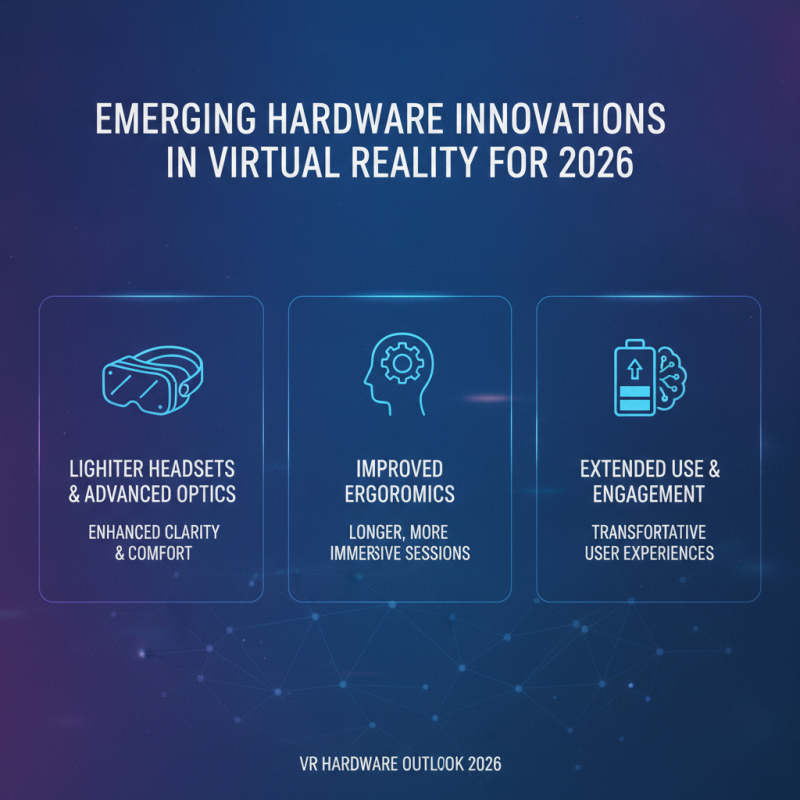
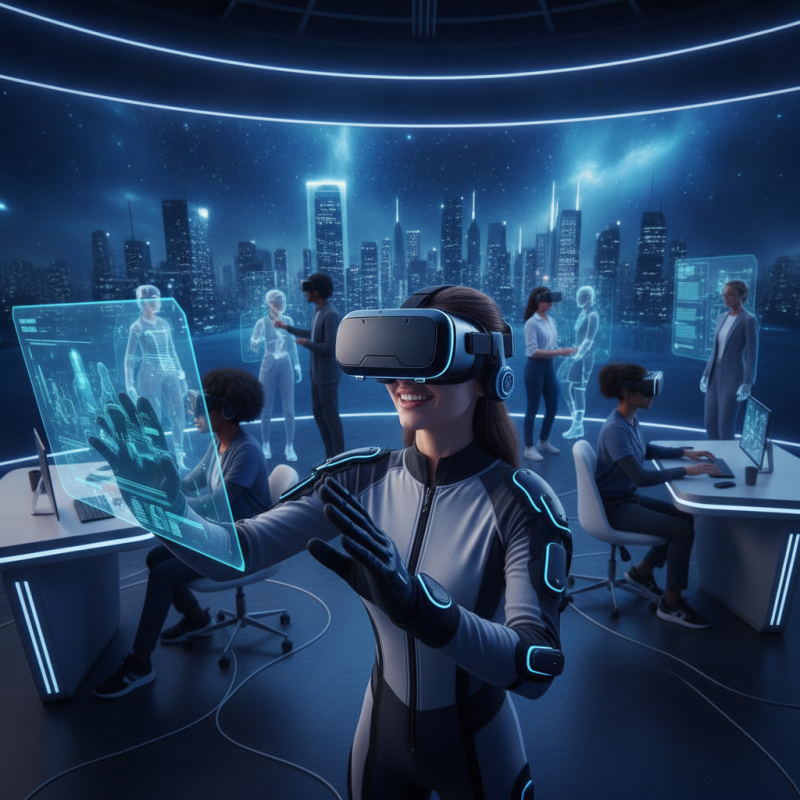
Emerging innovations in virtual reality hardware are set to transform user experiences by 2026. Expect lighter headsets with advanced optics. These will enhance clarity and comfort for longer use. Ergonomics will play a vital role in headset design. Comfort leads to longer immersive sessions.
Haptic feedback technology will revolutionize interaction. Wearable devices that simulate touch will create a sense of presence. This will allow users to feel as if they're truly in the virtual world. Imagine feeling the texture of virtual objects. It's a game-changer that adds realism.
Tips: When adopting new VR technologies, prioritize comfort. A headset that fits well enhances the experience. Also, always stay informed about advancements. The industry evolves rapidly. Anticipate changes and prepare for improved experiences. Embracing change will keep you ahead in the virtual world.
Advancements in Software and Content Creation for VR Experiences
As we look toward 2026, the advancements in software and content creation for virtual reality (VR) are rapidly evolving. Developers are harnessing innovative technologies to create immersive experiences. Real-time rendering techniques are becoming more sophisticated, allowing for highly detailed environments. Users can experience stunning graphics that blur the line between reality and virtuality.
Content creation is shifting towards more interactive and engaging formats. Collaboration tools are emerging for artists and developers. These tools enable teams to work seamlessly regardless of location. However, the challenge remains to maintain high-quality standards across various platforms. Many projects often struggle with consistency, leading to uneven user experiences at times.
User-generated content is gaining traction in the VR space. This trend empowers creators to produce their own experiences. Yet, the quality control of such content can vary significantly. Balancing innovation and quality is crucial. Developing robust guidelines is essential to ensure that users find value in these experiences, making VR accessible and enjoyable for everyone.
The Role of 5G Technology in Enhancing VR Applications
5G technology is set to transform virtual reality (VR) experiences. Its low latency and high-speed connections are essential for immersive applications. Users will experience smoother graphics, reducing lag. This will enhance gaming and real-time simulations, making them more engaging.
As VR becomes more popular, the need for seamless data transfer increases. 5G networks can support multiple devices simultaneously. This capability allows friends to connect in shared virtual spaces without interruptions. The social aspect of VR will flourish, creating richer interactions.
However, there are challenges. Not all regions have 5G coverage yet. This disparity can lead to unequal access to advanced VR experiences. Developers must consider this limitation when designing applications. As technology evolves, solutions will emerge to address these issues. Balancing innovation with accessibility will be crucial for the future of VR.
Top Virtual Reality Technology Trends to Watch in 2026
This bar chart represents the projected growth percentages of various virtual reality technology trends to watch in 2026. As 5G technology enhances VR applications, the demand for increased immersion, enhanced social interaction, and advancements in training, healthcare, and entertainment will likely see significant growth.
Trends in Social Interaction and Collaboration within VR Environments
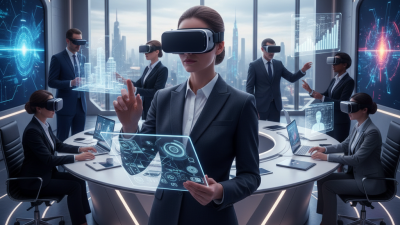
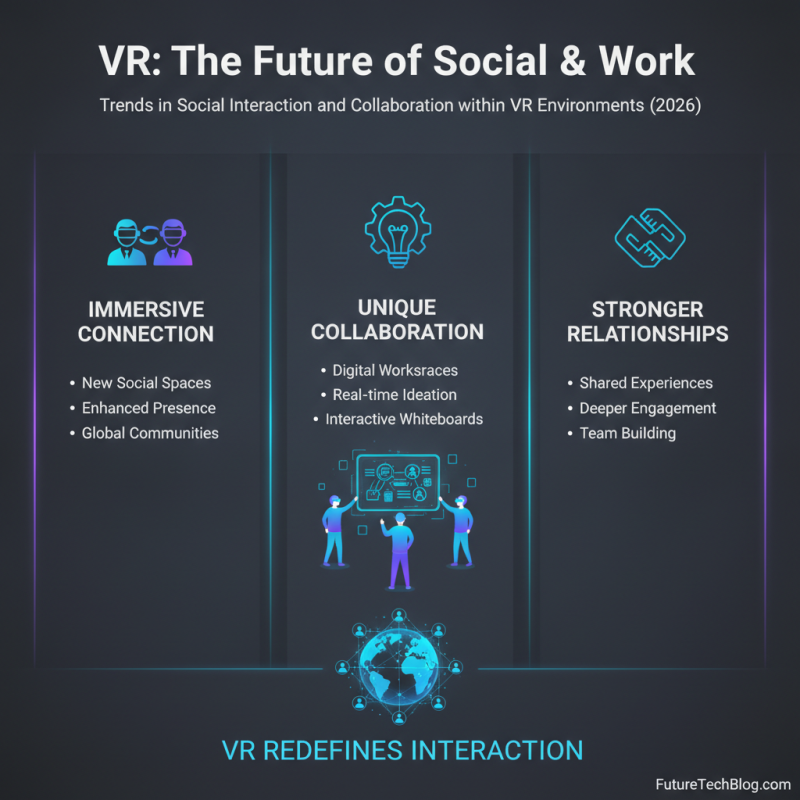
In 2026, virtual reality (VR) will redefine social interaction. More users will connect in immersive spaces. These environments will support collaboration in unique ways. Imagine colleagues brainstorming in a digital office. They can draw ideas in real-time. This level of engagement builds stronger relationships.
Social platforms will evolve. Users will create avatars that express their personalities. This personalization enhances the user experience. It fosters a sense of belonging and community. However, challenges remain. Some may feel isolated, even in shared spaces. Balancing connection and solitude will be crucial.
Moreover, VR will shape education and training. Students will attend classes in interactive environments. They can practice skills in safe, simulated scenarios. This hands-on approach boosts retention and understanding. Yet, not all users will adapt easily. Accessibility will be a pressing issue as well. As the technology grows, so must our strategies to support diverse needs.
Ethical Considerations and Challenges Facing VR Development in 2026
As virtual reality continues to evolve, ethical considerations are gaining prominence. Developers must confront the challenge of user privacy. With immersive experiences, personal data collection becomes inevitable. Who manages this data? What safeguards are in place? Users deserve transparency about how their information is utilized.
Another pressing issue is the potential for addiction. With more engaging content, users might prioritize virtual experiences over real life. There are concerns about mental health impacts. How can developers promote healthy usage? Providing regular reminders to users could help. Keeping a balance is crucial yet often overlooked.
Moreover, inclusivity remains a significant challenge. VR should be accessible to all. Developers must consider users with disabilities and diverse backgrounds. Is the technology catering to everyone? Creating a truly inclusive experience involves continuous feedback and iterations, which is not always easy to implement. These challenges require ongoing dialogue and reflection in the VR community.
Top Virtual Reality Technology Trends to Watch in 2026
| Trend |
Description |
Ethical Considerations |
Challenges |
| Immersive Storytelling |
Creating engaging story-driven experiences within virtual environments. |
Representation and inclusion in narratives. |
Balancing artistic freedom with ethical storytelling. |
| VR in Education |
Utilizing virtual reality for interactive learning and skills training. |
Access to technology and equity in education. |
Cost and infrastructure barriers. |
| Social VR Experiences |
Facilitating interaction and community building in virtual spaces. |
Privacy concerns and data security. |
Managing online harassment and toxic behavior. |
| Healthcare Applications |
Using VR for therapeutic applications and medical training. |
Informed consent and patient safety. |
Integration into existing healthcare systems. |
| Augmented Reality Integration |
Combining VR with augmented reality for enhanced interactivity. |
Digital divides and misinformation risks. |
Technical compatibility and user experience challenges. |