Why is Virtual Reality Technology Transforming Our Lives?
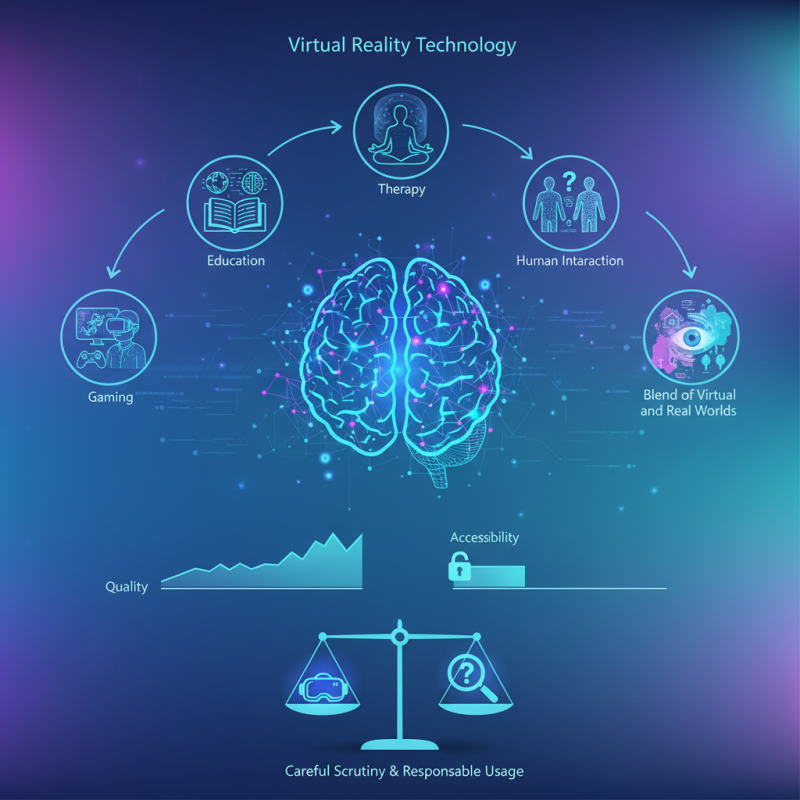
Virtual Reality Technology has begun to reshape various aspects of our daily lives. Experts in the field are witnessing its rapid evolution. Dr. Emily Carter, a renowned VR specialist, once stated, "Virtual Reality Technology will create an immersive experience that redefines reality." This technology enhances everything from gaming to education and therapy.
The ability to transport users into different environments opens new possibilities. Users can experience far-off places without leaving their homes. However, there are challenges. The quality of VR experiences varies, and not everyone can access high-end equipment. As we embrace these innovations, it's vital to reflect on their broader implications.
Society must consider how Virtual Reality Technology impacts human interaction and mental health. With the blend of virtual and real worlds, individuals might struggle to distinguish between them. The future of this technology is promising, yet it calls for careful scrutiny and responsible usage.
Virtual Reality Technology: An Overview of Its Evolution
Virtual reality (VR) technology has undergone significant evolution since its inception. Early simulations were rudimentary, often limited to basic graphics. In recent years, advancements have ushered in a new era for VR, particularly with the growth of processing power and graphics capabilities. According to a report by Markets and Markets, the VR market size is expected to reach $57.55 billion by 2027, up from $6.3 billion in 2020. This explosive growth signifies a shift in how we perceive and utilize immersive experiences.
Key sectors are embracing VR. Education, healthcare, and entertainment are leading the charge. In education, for example, VR is used to create immersive learning environments. Students can explore the solar system or ancient civilizations without leaving the classroom. In healthcare, VR simulations are employed for training surgeons, reducing risks in real-world scenarios. However, challenges remain. Not all institutions can afford the required technology, and not everyone can adapt to this form of learning.
Despite its benefits, VR poses some drawbacks. Motion sickness and disorientation are common issues faced by users. Additionally, there are concerns about the long-term effects of prolonged VR use on mental health. As technology continues to evolve, it's crucial to address these challenges. Balancing innovation with user welfare is essential for sustainable growth.
Why is Virtual Reality Technology Transforming Our Lives?
| Dimension |
Description |
Impact on Life |
| Education |
Immersive learning experiences that enhance understanding |
Improved retention and engagement in students |
| Healthcare |
Simulations for medical training and therapy |
Enhanced training outcomes and patient therapy experiences |
| Entertainment |
Interactive gaming and virtual concerts |
Increased user engagement and immersive experiences |
| Workplace Training |
Virtual simulations for skill development |
More effective training with reduced costs |
| Social Interaction |
Virtual meetups and gatherings |
Enhanced connection among people regardless of distance |
Key Applications of Virtual Reality in Different Sectors
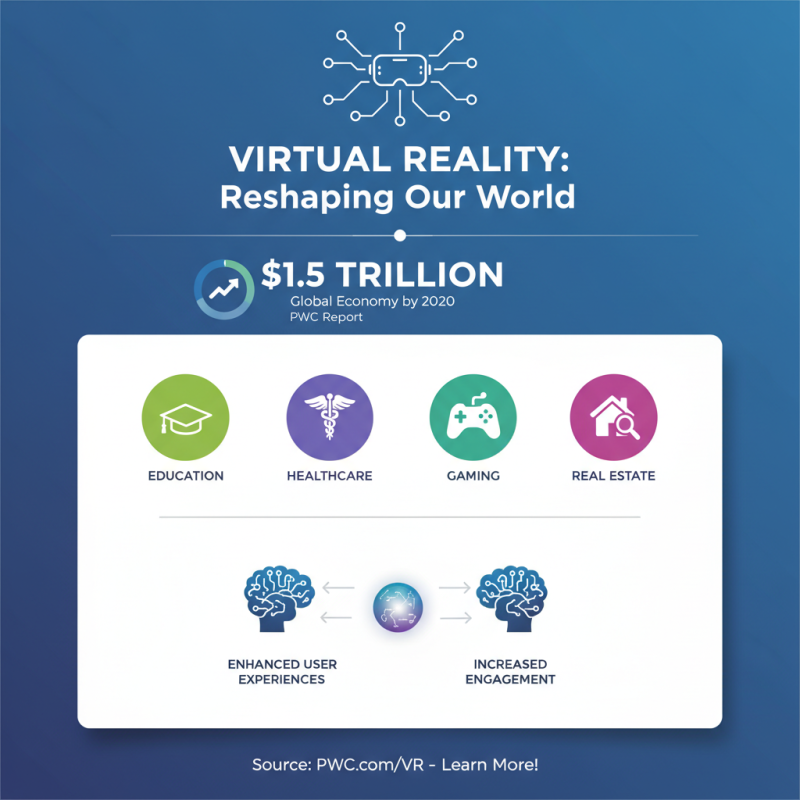
Virtual reality (VR) is reshaping various sectors. Its applications span education, healthcare, gaming, and real estate. For example, a report from PwC states that VR could contribute $1.5 trillion to the global economy by 2030. This growth is driven by enhanced user experiences and engagement.
In education, VR is creating immersive learning environments. Students can explore historical sites or complex scientific concepts virtually. According to a study by the University of Maryland, students using VR scored 30% higher on exam questions. This shows the technology's potential to improve learning outcomes.
In healthcare, VR is transforming training and therapy. Surgeons can practice complex procedures in a safe environment. A study by the Journal of Medical Internet Research indicates that VR can reduce patient anxiety by 68% during treatments. Such statistics highlight its effectiveness.
Tip: Consider integrating VR into your training programs. Immerse your team in real-life scenarios without the risks.
VR is also impacting real estate. Virtual tours allow potential buyers to explore properties remotely. This technology can save time and resources. However, some users report difficulties in feeling the space accurately through VR.
Tip: Always seek feedback on VR experiences. Understand what users like or dislike to improve future applications.
Impact of Virtual Reality on Education and Training
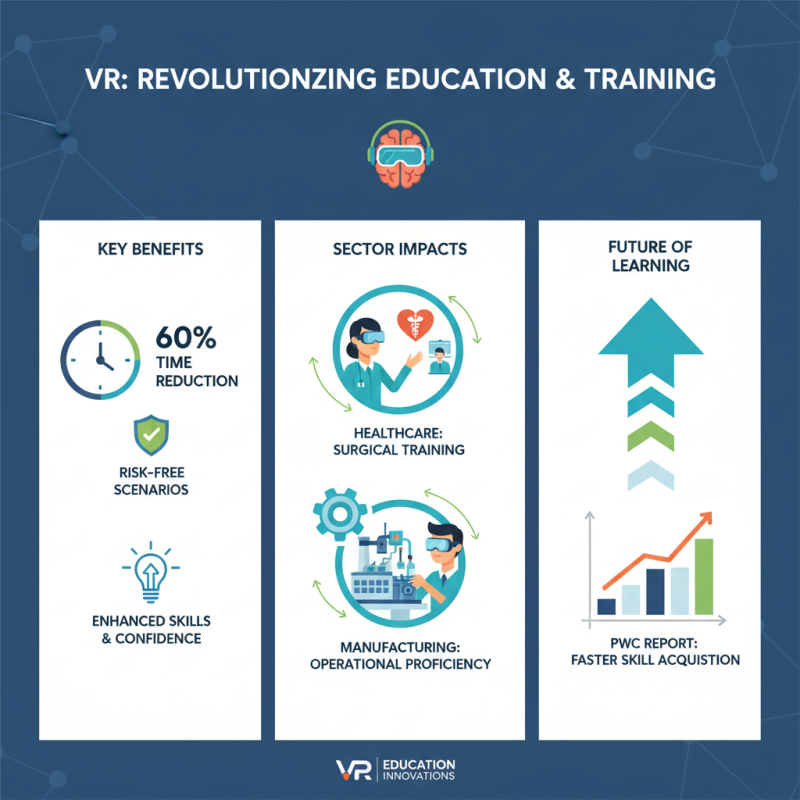
Virtual Reality (VR) technology is changing how we approach education and training. A report by PwC states that VR training can reduce the time needed to learn new skills by up to 60%. This efficiency is a game changer for many sectors, including healthcare and manufacturing. With VR, students can immerse themselves in realistic scenarios without risks. Medical students can practice surgeries in a controlled setting, enhancing their confidence and skills.
However, the impact of VR in education is not without challenges. While engagement rates are higher, some educators express concern about accessibility. Not all institutions can afford VR technology. Moreover, there is a steep learning curve involved in integrating VR into existing curriculums. A survey by EDUCAUSE indicates that 70% of educators feel unprepared to implement VR effectively. This gap must be addressed to maximize the technology's potential.
Furthermore, while VR offers interactive learning experiences, some experts worry it might create over-reliance on technology. Balancing traditional learning and VR is essential. The goal is not to replace but to enhance education. In summary, VR holds great promise for training and education, but careful consideration and planning are crucial to avoid pitfalls.
Enhancements in Entertainment and Gaming through Virtual Reality
Virtual Reality (VR) is reshaping entertainment and gaming. According to a recent report by Statista, the VR gaming market will reach $12.1 billion by 2024. This growth highlights how immersive experiences captivate users. Gamers can engage with virtual worlds like never before. They can feel the thrill of racing or the pressure of a battle firsthand.
Despite its advantages, VR is not flawless. Users may experience motion sickness or disorientation. These issues can hinder prolonged gameplay. Additionally, creating high-quality content is a challenge. Not all developers have the resources or expertise to deliver compelling VR experiences. This can lead to uneven quality in games.
Another concern is accessibility. High-end VR setups can be expensive. Not everyone can afford the equipment. This disparity can widen the gap between casual gamers and enthusiasts. As VR technology evolves, addressing these imperfections will be essential. The potential is immense, but it requires thoughtful consideration and development.
Challenges and Future Prospects of Virtual Reality Technology
Virtual Reality (VR) technology is revolutionizing many aspects of life. However, it also faces significant challenges. One major issue is accessibility. According to a recent industry report, over 60% of people find VR devices to be prohibitively expensive. This limits widespread adoption, especially in education and healthcare sectors. Furthermore, the lack of standardization across platforms creates fragmentation. This makes content creation difficult.
Another challenge is the potential for motion sickness. Research indicates that up to 40% of users experience discomfort. This can deter potential users from engaging with VR experiences. Moreover, the need for powerful hardware can complicate implementation. Not everyone has access to high-performance computers or consoles, constraining experiences to a niche market.
Looking ahead, the future of VR seems promising but uncertain. Reports suggest that if these issues are addressed, the market could grow to $57 billion by 2027. However, this growth hinges on overcoming obstacles like user experience and affordability. The path forward must include efforts to make VR more accessible and comfortable for everyone. As the technology evolves, continual reflection on these challenges will be vital for success.
Impact of Virtual Reality Technology on Various Sectors (2023)