What is Medical Simulation VR and How Does It Work?
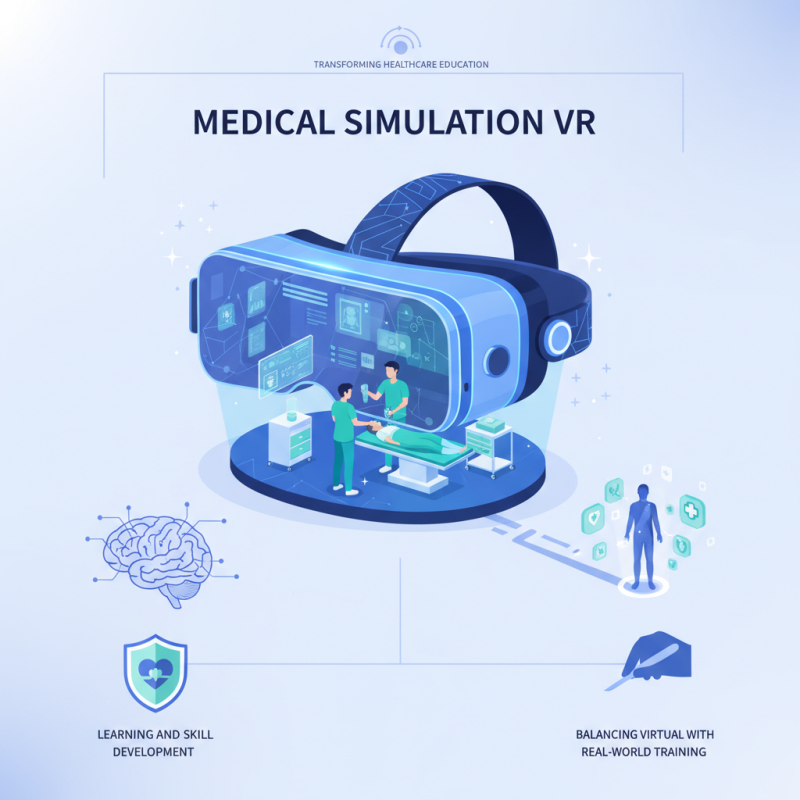
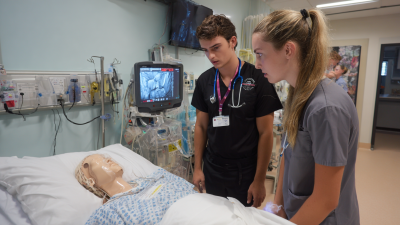
Medical Simulation VR is transforming healthcare education. Instead of traditional methods, it offers immersive experiences. This technology mimics real-life scenarios, allowing students to practice without risks.
Learners can engage in complex procedures using virtual reality. They develop skills in a safe environment. However, challenges remain. Users may feel disconnected from reality during simulations. This can impact learning effectiveness.
While Medical Simulation VR provides unique advantages, it also requires critical reflection. Educators must ensure students remain engaged. The technology should be a tool, not a crutch. Balancing virtual experiences with real-world training is vital for success in medical education.
Definition of Medical Simulation VR
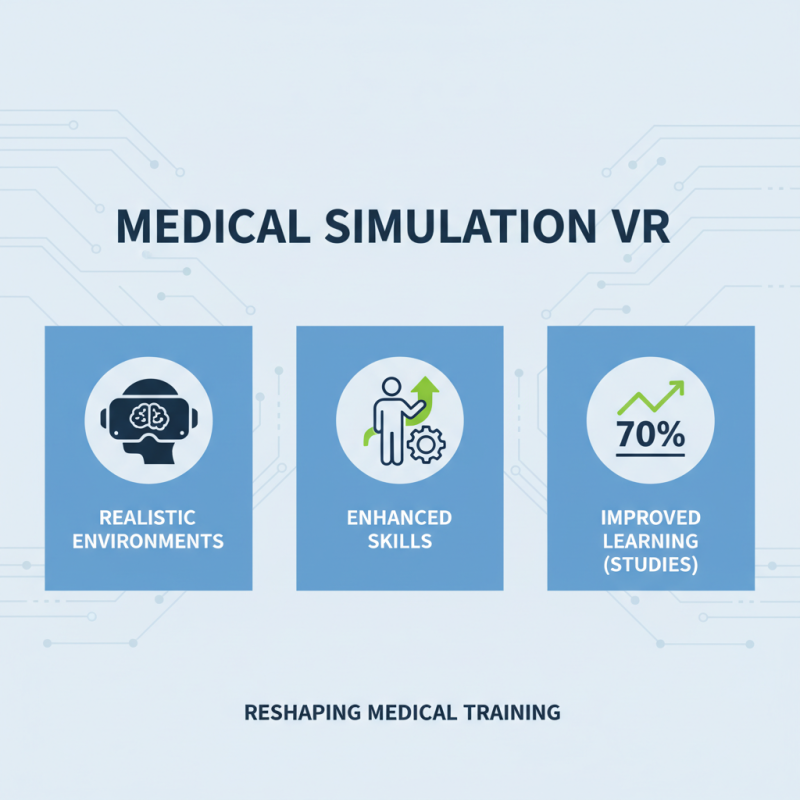
Medical Simulation VR, or virtual reality in medical training, offers realistic environments for practitioners. It enhances skills through immersive experiences. Studies show that 70% of medical professionals believe VR improves learning outcomes. This technology is reshaping how skills are acquired.
Simulation creates a risk-free space for critical practice. Trainees can perform surgeries or manage emergencies without patient risk. A report from the Healthcare Simulation Alliance indicates that 80% of users feel more confident after VR training. Yet, not all experiences are flawless. Technical glitches can disrupt learning. Feedback is essential for improvement.
Challenges remain in widespread adoption. High costs and limited access to technology hinder implementation in some regions. Additionally, some practitioners are skeptical about relying solely on VR. Balancing traditional methods with VR could yield the best results. Continued research and user feedback will drive the evolution of Medical Simulation VR.
Key Technologies Behind Medical Simulation VR
Medical Simulation VR is revolutionizing training in healthcare. It employs immersive technology to create realistic environments. This allows medical professionals to practice procedures without risk. According to a recent report, VR training can increase retention rates by up to 80%. This shows its effectiveness compared to traditional methods.
Key technologies behind Medical Simulation VR include motion tracking, 3D modeling, and haptic feedback. Motion tracking captures a user's movements. This allows for realistic interactions within the VR environment. Haptic feedback technology enhances the experience. It simulates touch, providing more lifelike sensations during training. A study found that 70% of learners felt more confident after VR training sessions.
Tips: When using VR for medical training, ensure the scenarios are varied. This prevents learners from becoming accustomed to a single routine. Regular updates to simulations keep skills sharp. Diverse content is crucial for comprehensive training. Reflection on experiences is essential. It allows learners to identify improvement areas and enhances overall learning.
Medical Simulation VR Usage Statistics in 2023
Applications of Medical Simulation VR in Healthcare
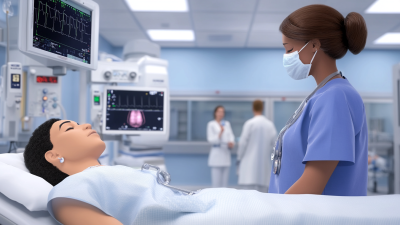
Medical Simulation Virtual Reality (VR) is transforming healthcare training. Healthcare professionals can practice procedures in a safe, controlled environment. This technology helps improve skills without risking patient safety.
Applications of Medical Simulation VR span various fields. Surgical training is one of the most notable uses. Surgeons can rehearse complex operations in 3D environments. This method allows for repeated practice and instant feedback on techniques. Medical students can immerse themselves in scenarios, simulating real-life challenges. It enhances problem-solving abilities under pressure.
Tips: Focus on realism in simulations. Incorporating varied patient scenarios can deepen understanding. Encourage feedback from participants to improve future sessions. Creating a culture of learning through VR can address knowledge gaps. Emphasize the importance of honing skills, but recognize that no simulation is perfect. Continuous reflection on training effectiveness is crucial.
Benefits of Using Medical Simulation VR for Training
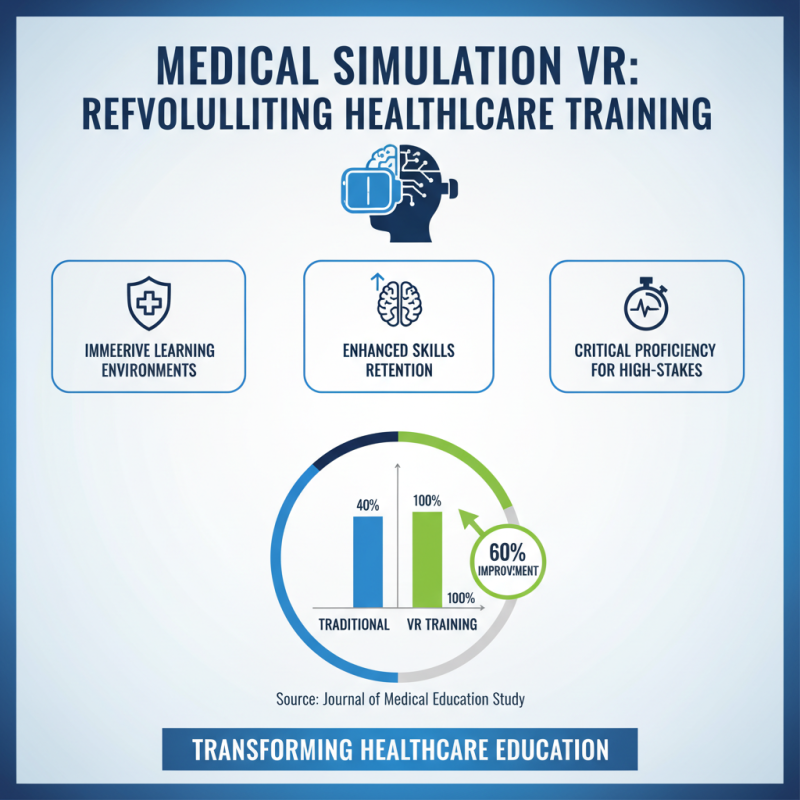
Medical Simulation VR is transforming the landscape of healthcare training. It provides immersive environments that enhance learning and retention. According to a study by the Journal of Medical Education, trainees using VR showed a 60% improvement in skills retention compared to traditional methods. This is critical, especially in high-stakes environments where proficiency is vital.
One significant benefit is the ability to practice procedures in a safe setting. Trainees can make mistakes without real-world consequences. For instance, a surgical simulation can replicate complex operations. This hands-on experience helps build confidence. Research also indicates that 80% of medical professionals feel more prepared after engaging with VR simulations. However, not all simulations are perfect. Some technologies may struggle to accurately portray certain medical scenarios. Continuous feedback is essential in refining these experiences.
Moreover, VR can create scenarios that are hard to replicate in real life. Trainees can experience rare emergencies. This exposure is invaluable for their preparedness. Yet, certain limitations remain. The effectiveness of VR may vary based on the user’s learning style. Some learners prefer traditional methods. This highlights the need for a blended training approach that incorporates various educational tools.
Challenges and Future Trends in Medical Simulation VR
Medical simulation VR is paving the way for training in healthcare. However, several challenges remain. A recent survey revealed that 45% of medical institutions reported limitations in VR technology. Issues like high costs and complex setups often hinder adoption. Additionally, a lack of standardized protocols can create discrepancies in training quality.
In addressing these challenges, one area for improvement is user experience. Many educators find VR simulations difficult to integrate into existing curricula. Feedback from students and instructors is crucial. Regular evaluation can help identify gaps in training. Investigating user satisfaction scores is essential for future enhancements.
Tip: Implement regular training feedback sessions. Collect data from users to refine VR experiences continually. This step can significantly boost both engagement and learning outcomes.
Looking ahead, we see trends toward more affordable VR solutions. Companies are developing new software focused on usability. Further, incorporating AI into simulations could personalize learning. Healthcare institutions must stay adaptable to those evolving technologies. Embracing innovation will be key for effective simulation training.