Why Medical Manikins Are Essential for Effective Medical Training and Simulation
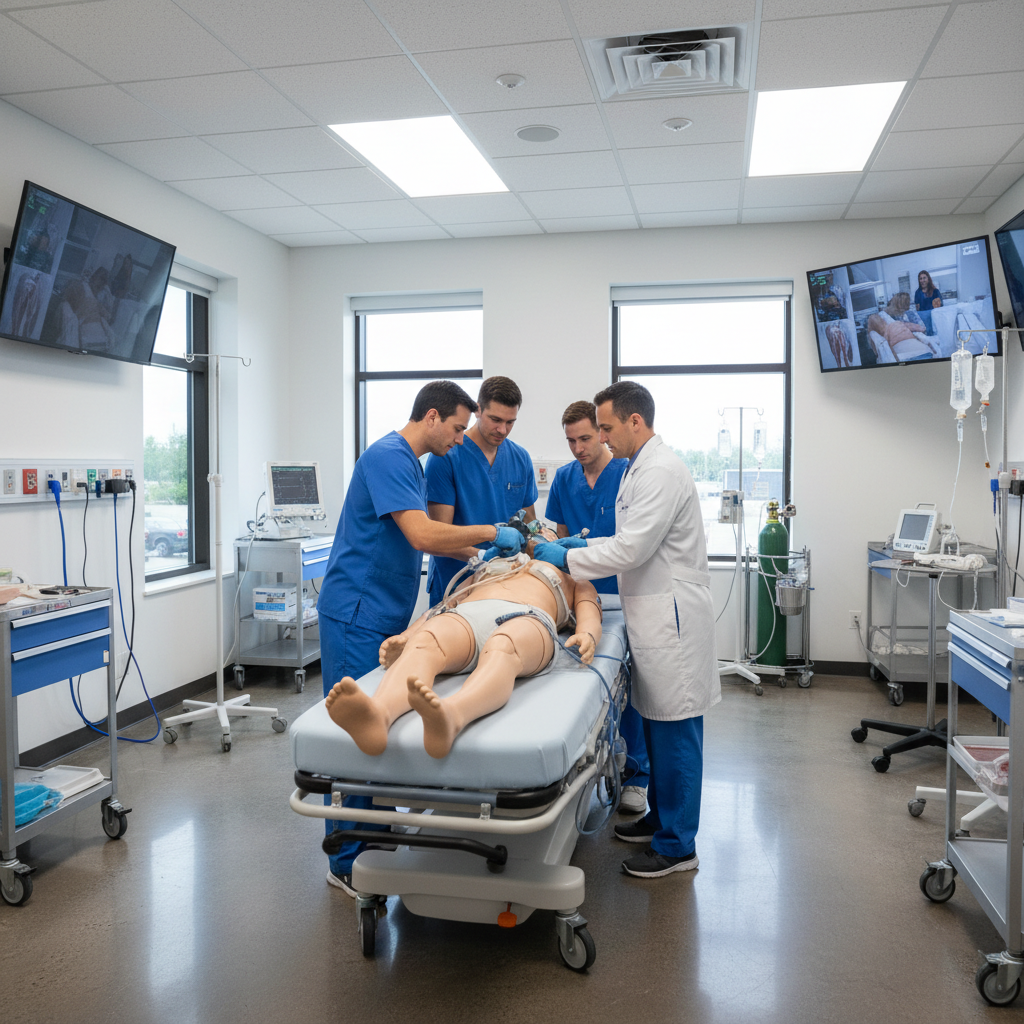
In the quest for advanced medical training and simulation, the significance of Medical Manikins cannot be overstated. These sophisticated training tools offer healthcare professionals the opportunity to practice and refine their skills in a controlled environment, bridging the gap between theoretical knowledge and real-world application. As medical education continues to evolve, the integration of Medical Manikins has emerged as a cornerstone of effective training methodologies, allowing for hands-on experience without the risks associated with live patients.
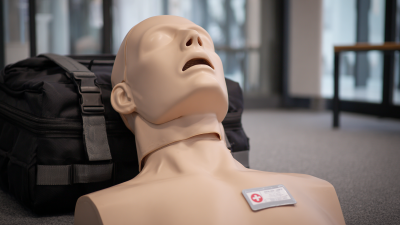
The versatility of Medical Manikins plays a crucial role in simulating a wide array of medical scenarios, from basic CPR techniques to complex surgical procedures. This capability empowers learners to gain confidence and proficiency through repeated practice, ultimately leading to improved patient care in actual clinical settings. As we look towards the future, understanding the implications of Medical Manikins in medical education becomes imperative in shaping the skilled professionals of tomorrow.
In this article, we will explore the essential role of Medical Manikins in medical training, highlighting their contributions to skill acquisition, teamwork, and critical thinking. By examining the advancements in technology and the pedagogical strategies involved, we aim to illuminate why these innovative tools are indispensable in the landscape of modern healthcare education.
The Role of Medical Manikins in Enhancing Hands-On Skills for Trainees
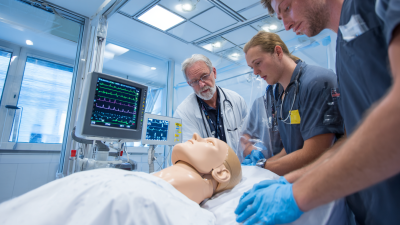
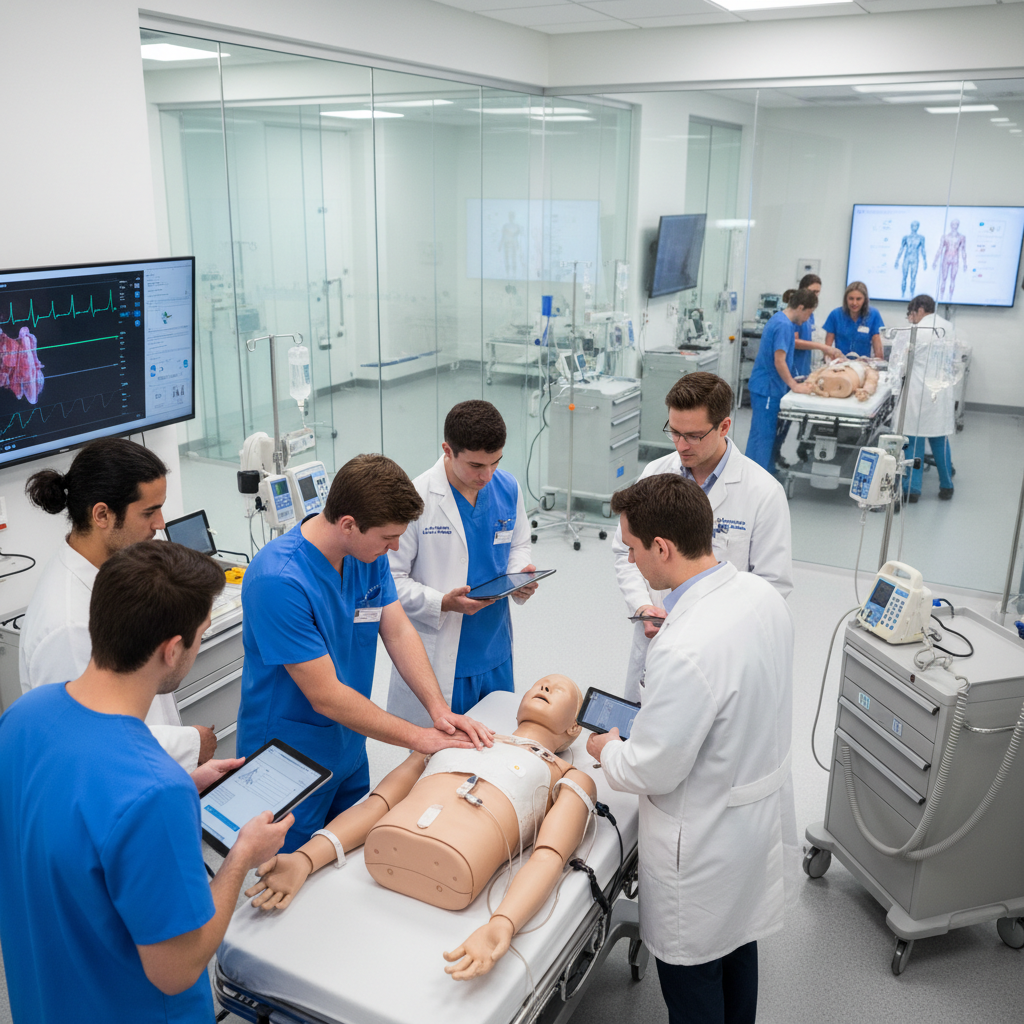
Medical manikins play a pivotal role in enhancing hands-on skills for trainees in the healthcare sector. According to the Society for Simulation in Healthcare's 2022 report, effective simulation training with manikins can improve clinical skills retention by 30% compared to traditional teaching methods. This is especially crucial in high-stakes medical environments, where proficiency can significantly impact patient outcomes. By providing realistic scenarios, these manikins allow trainees to practice techniques, develop critical decision-making skills, and build confidence before engaging with real patients.
Moreover, the integration of advanced technology in medical manikins has transformed the landscape of medical training. A report from the International Nursing Association for Clinical Simulation and Learning highlights that 87% of nursing programs now utilize simulation as a core element of their curriculum. This statistic underscores the shift towards experiential learning, where trainees interact with sophisticated manikins that can simulate various medical conditions. Enhanced features such as high-fidelity responses and integrated monitoring systems enable learners to experience real-life challenges, preparing them for the unpredictability of clinical practice. Through this hands-on approach, future healthcare professionals can cultivate essential skills and knowledge, ultimately leading to better healthcare delivery.
Training Effectiveness Using Medical Manikins
Benefits of Realistic Simulations: Bridging Theory and Practice
In the realm of medical education, bridging the gap between theoretical knowledge and practical application is crucial for developing competent healthcare professionals. Realistic simulations using medical manikins play an essential role in this process. They allow students to engage in hands-on practice, replicating real-life medical scenarios without the risk to actual patients. This experiential learning approach not only enhances critical thinking and decision-making skills but also helps students to stick to safety protocols and improve their clinical competencies.
Recent advancements in educational methodologies underscore the importance of simulations across various fields, demonstrating that the effectiveness of such training is not limited to medicine. For instance, sectors like public administration and veterinary education are increasingly utilizing simulation-based learning to encourage reflective and collaborative strategies. Similarly, nutrition science students have shown improved counseling skills through simulation training during their internships. The versatility and impact of these immersive experiences reinforce the idea that whether in healthcare or other disciplines, practical simulations can significantly enhance the educational landscape by effectively bridging the divide between theory and practice.
Advancements in Medical Manikin Technology for Enhanced Learning
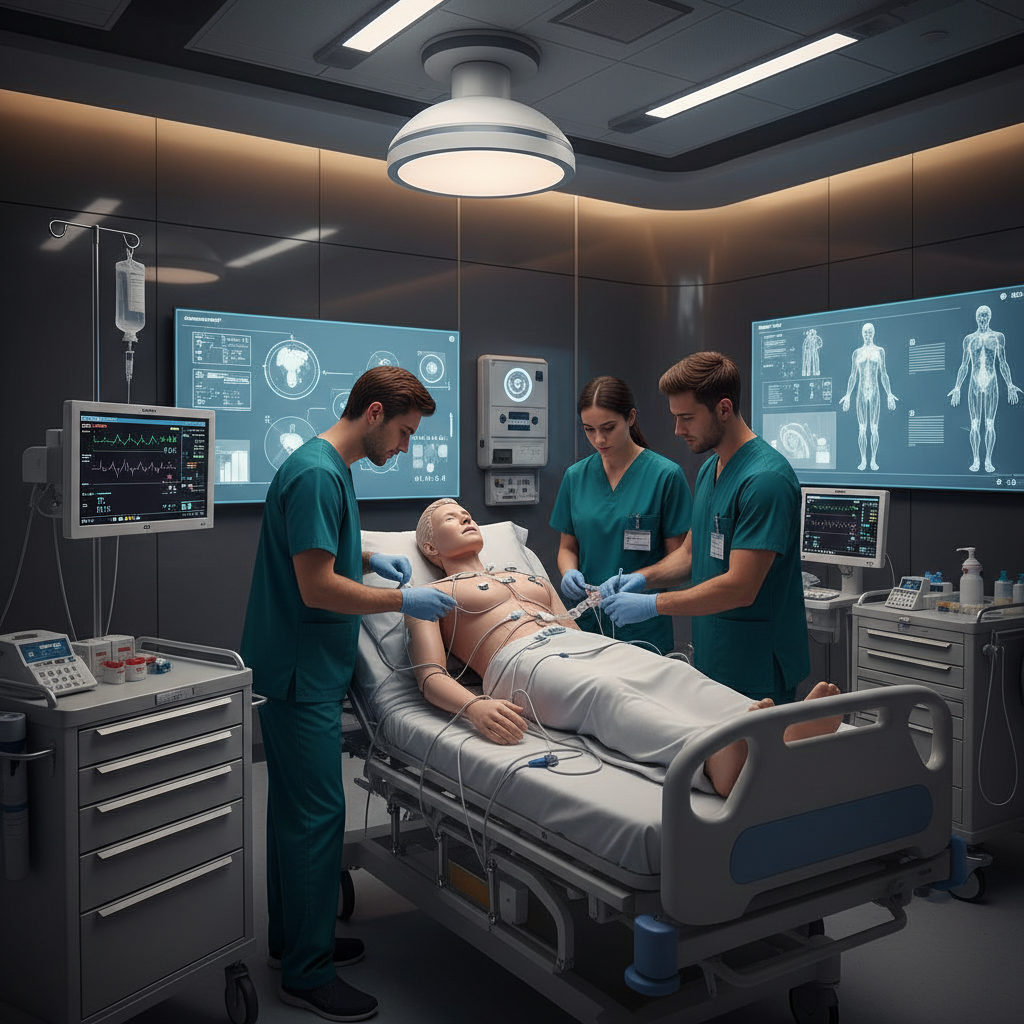
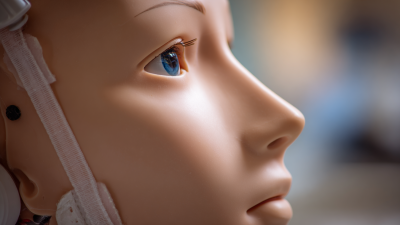
Advancements in medical manikin technology have revolutionized the landscape of medical
training and simulation. Modern manikins are no longer simple replicas; they incorporate sophisticated technologies, including
responsive sensors and advanced software, that enable realistic physiological responses. This allows medical students
and professionals to practice procedures in lifelike scenarios, enhancing their hands-on experience without the
risk associated with practicing on actual patients.
Furthermore, these manikins can simulate a wide range of medical conditions and emergencies, making them invaluable tools for
developing critical thinking and decision-making skills under pressure.
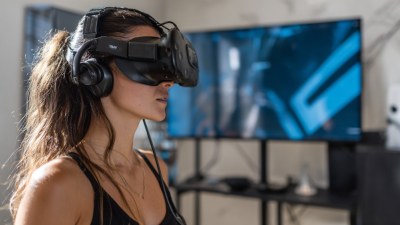
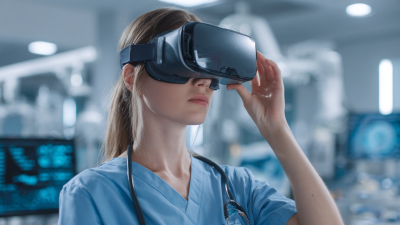
The integration of virtual reality and augmented reality with manikin training is another notable
advancement, providing an immersive environment where learners can interact with both the manikin and digital assets. As a result,
medical professionals are better prepared to face real-life challenges, improving patient outcomes
and advancing the quality of healthcare.
Cost-Effectiveness and Accessibility of Manikin-Based Training
Medical manikins have revolutionized the landscape of medical training, offering a cost-effective and accessible solution for healthcare education. The initial investment in high-quality manikins may seem daunting, but the long-term benefits outweigh the upfront costs. By enabling hands-on practice, manikins reduce reliance on expensive simulation environments and allow institutions to train more students without the need for extensive resources. This accessibility is especially crucial in rural or underserved areas where access to conventional training facilities may be limited.
Tips for optimizing your manikin-based training program include ensuring regular maintenance of the manikins to prolong their lifespan, integrating varied scenarios to cover a broader range of skills, and encouraging collaborative training sessions to enhance teamwork among participants.
Additionally, consider seeking partnerships with local healthcare facilities to provide real-world applications of the skills learned, thus enhancing the overall training experience and demonstrating the effectiveness of manikin-based learning. By focusing on cost-effectiveness and accessibility, educational institutions can equip future healthcare professionals with the robust training they need to succeed.
Impact of Medical Manikins on Emergency Response Preparedness
Medical manikins play a crucial role in improving emergency response preparedness by providing realistic and immersive training experiences for healthcare professionals. These lifelike training tools simulate a wide range of medical conditions and scenarios that responders may encounter in real-life emergencies. By practicing on manikins, trainees gain hands-on experience in diagnosing and treating patients, which enhances their confidence and skill levels. This realistic practice allows medical personnel to develop critical thinking and decision-making skills under pressure, which are essential in high-stakes situations.
Additionally, the use of medical manikins fosters a safe learning environment where mistakes can be made without catastrophic consequences. Trainees can repeat scenarios, refine their techniques, and receive immediate feedback from instructors, ensuring a deeper understanding of emergency protocols. This iterative learning process is vital for building competency and readiness among medical responders, ultimately leading to better patient outcomes during actual emergencies. Through advanced simulations that include various medical emergencies, manikins not only prepare individuals for the challenges they will face but also contribute to a broader culture of preparedness within healthcare systems.