How to Implement Immersive Training in 2026?
In 2026, the landscape of education and training continues to evolve. Immersive Training is at the forefront of this transformation. Technology has drastically changed how we learn and engage. Virtual reality and augmented reality are becoming more accessible. They allow for interactions that were once thought impossible.
Immersive Training creates experiences that simulate real-life scenarios. Whether in healthcare, travel, or manufacturing, these applications enhance skill development. However, challenges remain. High costs and technical requirements can be barriers. Not all organizations can implement these solutions effectively, risking inequality in training access.
Reflection is crucial for progress. Immersive Training must prioritize inclusivity. Different learning styles need accommodation. The focus should be on creating environments that foster growth. By addressing these imperfections, we can ensure that Immersive Training benefits everyone involved.
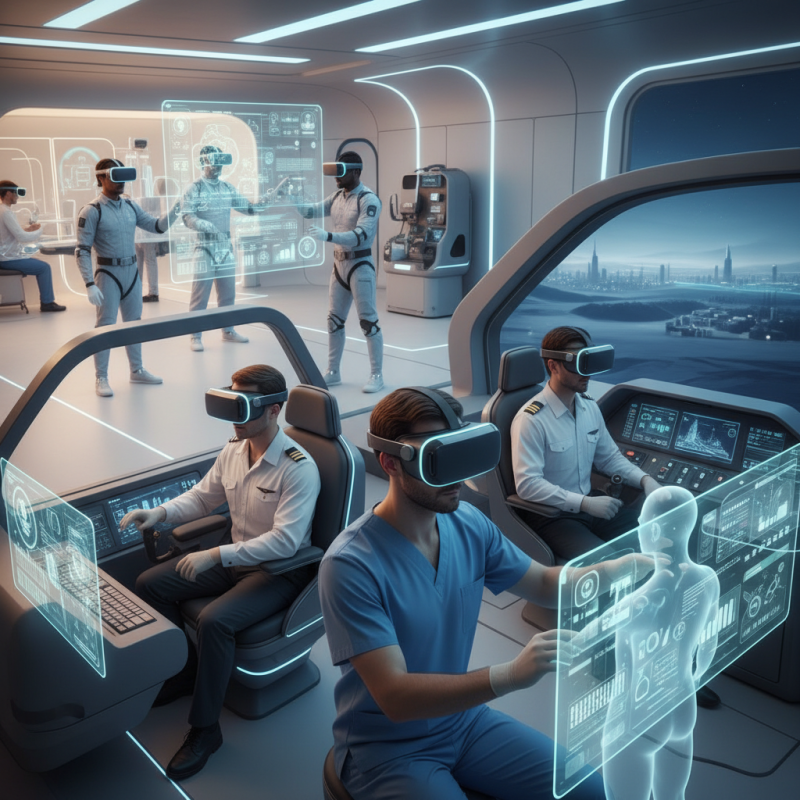
Defining Immersive Training and Its Importance in 2026
Immersive training is transforming professional development in 2026. It combines virtual reality (VR), augmented reality (AR), and simulations. This blend enhances learning experiences significantly. A report from the Journal of Educational Technology highlighted that immersive training can increase retention rates by 75%. These technologies engage users deeply, making lessons memorable.
As companies adopt this new approach, challenges arise. Not all employees may feel comfortable with technology. A survey by the International Association of Virtual Reality Training revealed that 30% of workers prefer traditional methods. Resistance to change can be an obstacle. Overcoming this requires careful implementation and user-friendly designs.
Effective immersive training goes beyond technology. It demands integration into the existing educational frameworks. Content must be relevant and practical. According to industry analysis, training tailored to specific job functions yields a 20% productivity boost. Continuous feedback from participants is critical for improvement. This iterative process can refine programs, making them more effective over time.
How to Implement Immersive Training in 2026? - Defining Immersive Training and Its Importance in 2026
| Aspect |
Description |
Importance |
Trends in 2026 |
| Virtual Reality (VR) |
Utilizing immersive environments for realistic training scenarios. |
Enhances engagement and retention of information. |
Increased accessibility and affordability of VR technology. |
| Augmented Reality (AR) |
Overlaying digital information on the real world to assist training. |
Helps in real-time learning and applications. |
Greater integration into daily workflows and training programs. |
| Simulation Training |
Creating scenarios that mimic real-world situations without risk. |
Builds confidence and skill sets before real-life application. |
Enhanced realism and variety of scenarios through AI integration. |
| Data Analytics |
Using data to improve training effectiveness and personalization. |
Tailored learning experiences lead to better outcomes. |
Increased use of metrics for measuring training success. |
| Collaborative Training |
Training that involves teamwork in immersive environments. |
Promotes communication and teamwork skills. |
Expanding global collaborations through virtual platforms. |
Key Technologies Driving Immersive Training Adoption
In 2026, immersive training continues to evolve. Key technologies are shaping its future. Virtual reality (VR) and augmented reality (AR) lead the charge. Training in realistic environments helps learners engage deeply. They can practice skills without real-world consequences. This experiential learning approach enhances retention and confidence.
Artificial intelligence (AI) plays a crucial role. It personalizes training experiences for individual users. AI analyzes performance and adapts scenarios to fit each learner’s needs. This creates a more efficient learning path. However, reliance on technology can lead to challenges. Sometimes, systems might malfunction. These issues can disrupt the flow of training and impede learning.
Additionally, data privacy becomes a pressing concern. Collecting and storing performance data raises ethical questions. Ensuring protections for users is vital. Organizations must navigate these complexities carefully. Balancing innovation with responsibility will shape the acceptance of immersive training. As the landscape shifts, constant evaluation of these technologies is necessary.
Designing Effective Immersive Training Programs: Best Practices
Creating effective immersive training programs requires a thoughtful approach. Begin by assessing the learning needs of your audience. Understand their current skills and gaps. Use this knowledge to design relatable scenarios. For example, if training nurses, simulate patient interactions in realistic environments. This builds confidence and enhances skills.
Utilize engaging technologies, like virtual reality and interactive simulations. They can help learners practice in a safe space. However, not every learner responds positively to tech. Some may find it overwhelming. Be mindful of different learning styles. Regular feedback from participants is essential. It allows for adjustments and improvements in real-time.
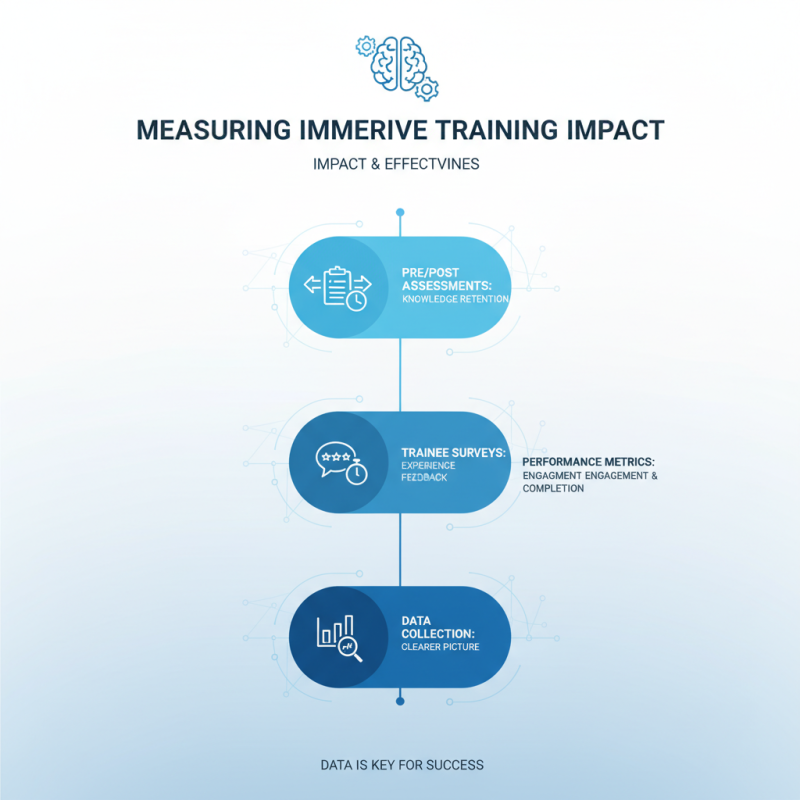
Lastly, measure the effectiveness of your program. Collect data on performance before and after the training. This gives insight into what works and what doesn’t. Immersive training should evolve, adapting to the needs of learners. Don't shy away from making mistakes; they often lead to the best insights.
Immersive Training Program Effectiveness in 2026
This chart represents the effectiveness scores of various immersive training formats as evaluated in 2026. The data suggests that game-based learning and VR simulations are perceived as the most effective methods, while 360° videos and AR applications follow closely. This insight can help in shaping the best practices for developing immersive training programs.
Challenges and Solutions in Implementing Immersive Training Strategies
Implementing immersive training strategies in 2026 presents various challenges. One major obstacle is the technology gap. Not all organizations have access to the latest tools. High costs can hinder development. Training staff to use new technology is another hurdle. Some employees may resist change, leading to inconsistent training outcomes.
Content creation is equally challenging. Designing engaging and effective simulations requires time and expertise. Many trainers are not skilled in creating immersive experiences. This gap can result in bland training that fails to captivate learners. Moreover, gathering feedback is crucial yet often overlooked. Without insights from participants, training programs may not meet their needs.
Lastly, scalability poses a problem. What works for one team may not work for another. Some organizations find it tough to adapt training for diverse learners. Different learning styles must be considered. This suggests a need for continuous adaptation. Reflecting on these aspects will be critical as immersive training evolves.