Leave Your Message

How to Implement Immersive Training for Enhanced Learning?

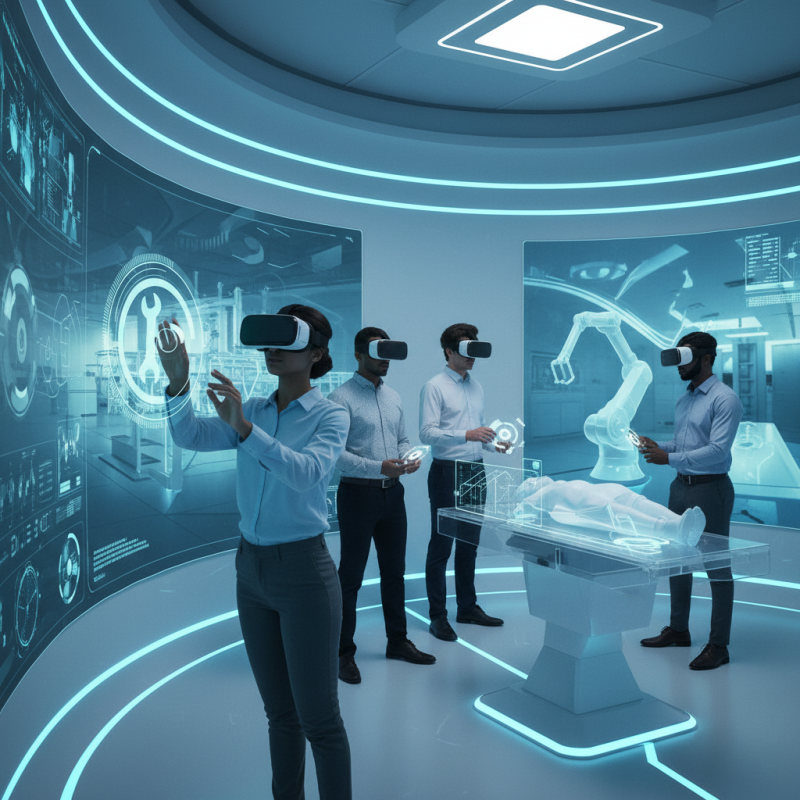
Immersive training has emerged as a powerful method for enhancing learning experiences. Dr. Emily Chen, a leading expert in immersive education, states, "Engagement is key in learning; immersive training is the future." This innovative approach combines virtual reality, simulations, and interactive elements to create a captivating environment.

In these settings, learners engage with content more deeply. They can practice complex skills in real-world scenarios without the associated risks. However, implementing immersive training is not without challenges. It requires significant investment in technology and content development. Additionally, not every organization has the resources or expertise necessary for effective execution.

Many enthusiasts overlook the importance of evaluating outcomes. Not every immersive training program leads to success. It is crucial to assess its impact on learning retention and skill application. This reflection helps refine methodologies and ensures that immersive training truly enhances education. As we move forward, understanding these nuances becomes essential for maximizing the potential of immersive training.
How to Implement Immersive Training for Enhanced Learning?

Understanding the Concept of Immersive Training in Learning Environments

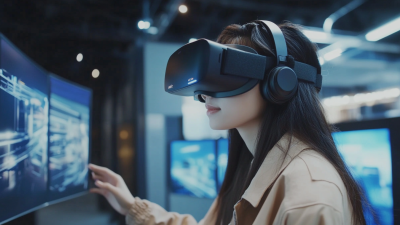
Immersive training transforms traditional learning. It creates engaging experiences that enhance understanding and retention. Learners interact directly with content. This method utilizes virtual reality, simulations, and interactive environments. Students feel like they are part of the lesson. The immersive nature boosts motivation and focus.

Tips for creating effective immersive training: Focus on the learner's perspective. Design scenarios that are relatable and realistic. Incorporate decision-making elements to increase engagement. Consider feedback loops for better understanding. Reflection moments allow learners to process their experiences.

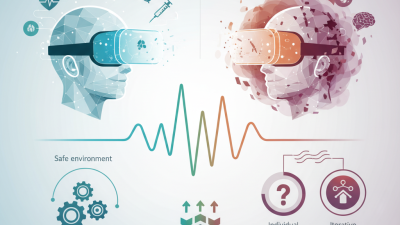
Not every immersive experience will be perfect. Some learners may feel overwhelmed. Understanding this is key. Adjust the pace and complexity based on learner feedback. Regular evaluations can help improve training effectiveness. Remember, the goal is to create meaningful learning experiences.

How to Implement Immersive Training for Enhanced Learning?

Training Method Description Benefits Tools Required Target Audience
Virtual Reality (VR) A simulated experience that can be similar or completely different from the real world. High engagement, real-world scenarios, improved retention. VR headsets, computer hardware, specialized software. Employees, students, healthcare professionals.
Augmented Reality (AR) An interactive experience where real-world environments are enhanced by computer-generated information. Enhanced interaction, practical learning, instant feedback. Smartphones, tablets, AR glasses. Field technicians, sales teams, educators.
Simulations A method that replicates real-life processes for training purposes. Risk-free environment, hands-on experience, critical thinking development. Computers, training software, scenario scripts. Engineers, pilots, military personnel.
Gamification The application of game-design elements to engage and motivate learners. Increased motivation, improved engagement, performance tracking. Learning management systems, game software. Corporate employees, students, sales teams.
Collaborative Learning Learning approach where individuals work together to solve problems or complete tasks. Skill development, peer learning, enhanced critical thinking. Online platforms, social media tools, discussion forums. Students, professionals, research teams.

Key Technologies and Tools for Implementing Immersive Training

Immersive training leverages advanced technologies to enhance learning experiences. Key tools include Virtual Reality (VR), Augmented Reality (AR), and simulations. According to a report by PwC, workers who undergo VR training retain information 75% more effectively than with traditional methods. This showcases the potential benefits of incorporating immersive training solutions.

Incorporating immersive technologies requires careful planning. It's essential to evaluate the learning environment and goals. Engaging learners effectively is often a challenge. Balancing immersive elements with structured lessons can be tricky. Consider starting small with pilot programs. Gather feedback to understand what works. Adjust your approach based on learner engagement.

Tip: Always assess your technology choices. Sometimes, simpler tools may yield better results. The best technologies are not necessarily the most complex. Focus on user experience. Addressing the learners' needs will foster a more profound connection to the material. Remember, some tools may fail to resonate with all learners. Exploring different options can help refine your training strategy.

Immersive Training Techniques Usage in Different Industries

Designing Effective Immersive Training Programs: Best Practices and Strategies

Immersive training programs create powerful learning experiences. To design them effectively, focus on interactivity. Engage learners through real-life scenarios. Use simulations that reflect actual challenges faced in their roles. For example, a medical training program can include simulated patient interactions. This allows practitioners to practice skills without real-world consequences.

Incorporating feedback loops is essential. Learners benefit from immediate feedback on their performance. It helps them recognize areas for improvement. Consider using peer reviews to add more perspectives. This can create discussions, but be aware that it might lead to conflicts. Balancing critiquing with constructive support is tricky but necessary.

Inclusivity should be a priority in design. Ensure that materials are accessible to all learners. Solicit input from diverse groups to enhance content relevance. Remember, what works well for one audience might fail for another. Regular reflection on the program's effectiveness is vital. Evaluate outcomes and make adjustments based on learner experiences.

Measuring the Impact of Immersive Training on Learning Outcomes

Immersive training has gained attention for its potential to enhance learning outcomes. Measuring its impact requires careful consideration and a structured approach. One method is to assess knowledge retention. Testing learners before and after the training can reveal significant improvements. Additionally, feedback from participants can provide insights into their experience. Survey tools can capture their feelings about engagement and understanding.

Another area to focus on is skill application. Observing how participants perform tasks in real-world scenarios is crucial. This practical application may sometimes differ from training experiences, highlighting areas for improvement. It's important to note that not all learners will respond equally. Some may thrive, while others struggle to translate training into action. Analyzing these discrepancies can guide future implementations.

Moreover, tracking long-term retention of knowledge is vital. Follow-up sessions can show whether skills are maintained over time. While immediate results may seem promising, sustainability is key. Reflecting on these outcomes can reveal both strengths and weaknesses in your training approach. Ultimately, continuous evaluation is essential to fine-tune these immersive experiences.

Overcoming Challenges in the Implementation of Immersive Training

How to Implement Immersive Training for Enhanced Learning?

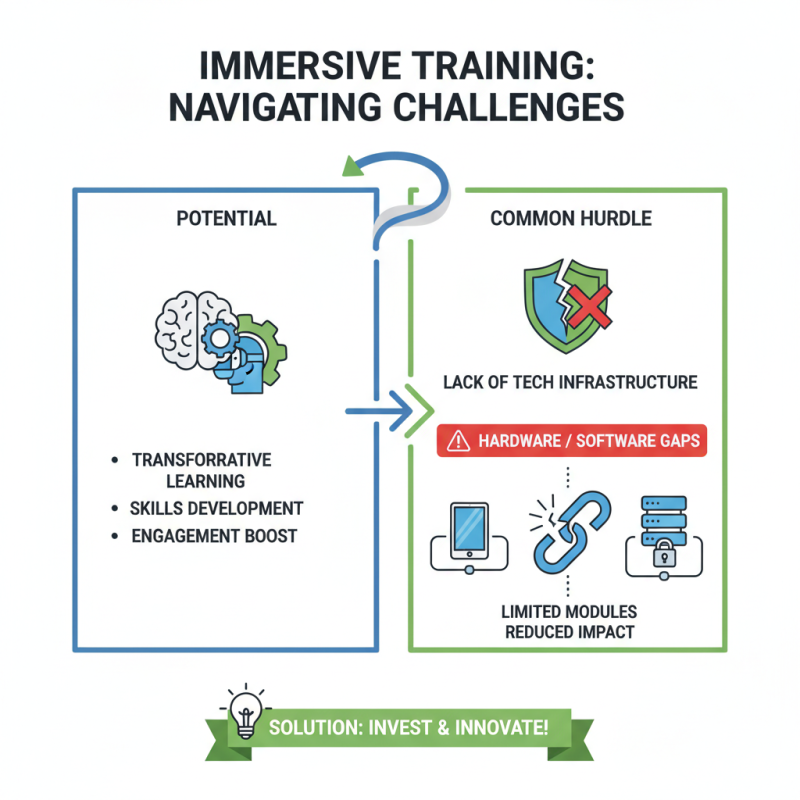
Implementing immersive training can be a transformative experience, but challenges often arise. One common issue is the lack of technological infrastructure. Many organizations may not have the necessary hardware or software. This can hinder the development of effective training modules. Without the right tools, the training experience becomes limited and less impactful.

Another challenge involves content creation. Crafting immersive training experiences demands creativity and expertise. Organizations may struggle to find skilled personnel who can design engaging content. It’s essential to involve educators and industry experts in this process. Their insights can shape realistic scenarios that resonate with learners. However, collaborating with different teams can sometimes lead to miscommunication and frustration.

Furthermore, measuring the effectiveness of immersive training can be complicated. Traditional metrics might not apply directly. Organizations might find it hard to quantify the engagement and retention levels of trainees. This can lead to doubts about the overall value of such training programs. Organizations should encourage feedback and adjust their approaches accordingly. This iterative process can foster improvement and make immersive training more effective over time.