7 Essential Tips for Selecting the Right Training Manikins for Your Needs
Selecting the right training manikins is a crucial step for educators and professionals in the healthcare industry. According to Dr. Emily Carter, a leading expert in medical simulation and training, "The effectiveness of a training program heavily relies on the quality and suitability of the training manikins used." This statement underscores the importance of making informed decisions when investing in these essential tools for teaching critical skills.
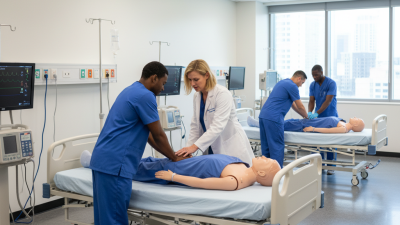
Training manikins serve as a vital component in various educational settings, from nursing schools to emergency response training programs. These lifelike models not only enhance the learning experience but also ensure that students develop the necessary competencies to perform in real-world situations. As the demand for high-quality training resources grows, understanding the specific needs of your training environment becomes more important than ever.
In this article, we will explore seven essential tips for selecting the right training manikins tailored to your unique requirements. By considering factors such as realism, functionality, and adaptability, educators will be better equipped to choose manikins that truly enhance their training programs and ultimately improve patient care outcomes.

Understanding the Different Types of Training Manikins Available
When it comes to selecting
training manikins, understanding the different types available is crucial to meet specific training needs. Two primary categories of training manikins include adult and pediatric models. Adult manikins are designed to simulate the anatomy of an average adult, making them suitable for a wide range of training scenarios, such as CPR, first aid, and advanced medical procedures. These models often come equipped with features that mimic real-life responses to medical interventions, allowing trainees to practice effectively in realistic situations.
On the other hand, pediatric manikins cater specifically to the needs of training in child healthcare. These models are scaled down to accurately reflect the anatomy and physiology of infants and children, thereby enhancing the learning experience for medical professionals who will work with younger patients. Additionally, specialized manikins are available for niche training areas, such as birthing scenarios or trauma care, each designed to address distinct challenges that healthcare providers may encounter. By recognizing the nuances between these types of manikins, trainers can make informed decisions to enhance their educational programs and ensure comprehensive skill development.
Identifying Your Specific Training Requirements and Goals
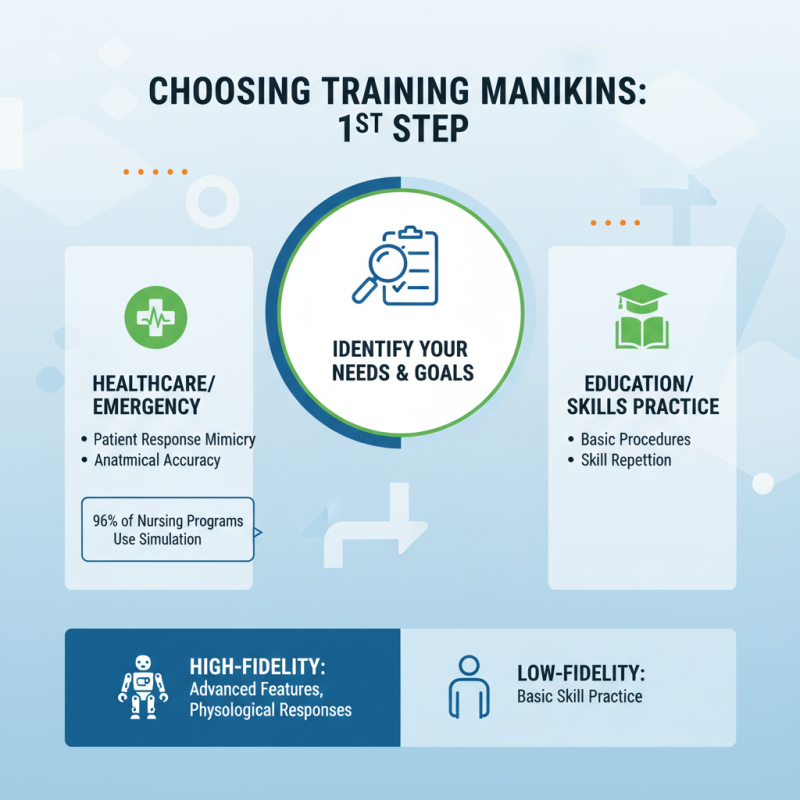
When selecting the right training manikins, the first step is to clearly identify your specific training requirements and goals. Different fields, such as healthcare, emergency response, and education, have varied needs that dictate the features and types of manikins required. For instance, a report by the National League for Nursing highlights that approximately 96% of nursing programs now utilize simulation in some capacity. This indicates a growing reliance on realistic training tools that can effectively mimic patient responses. Thus, understanding whether your training program requires high-fidelity manikins, which offer advanced features like anatomical accuracy and physiological responses, or low-fidelity options, which serve for basic skill practice, is crucial.
Moreover, aligning manikin selection with the intended educational outcomes can enhance learning experiences. For example, recent studies have shown that simulation-based training can improve clinical skills and confidence in novice healthcare providers by as much as 50%. This suggests that the choice of manikins should reflect the competencies you aim to develop in your trainees, whether that be CPR techniques, patient assessment, or advanced life support. Ensuring that the manikins provide realistic scenarios and feedback can greatly influence the effectiveness of the training and ultimately lead to better preparedness in real-life situations. As such, defining your training goals will allow you to make informed decisions about the specific features and functionalities needed in your manikin selection.
Evaluating the Quality and Realism of Manikin Designs
When selecting training manikins, one of the most crucial aspects to consider is the quality and realism of their designs. The effectiveness of training heavily relies on how accurately the manikin simulates human anatomy and responses. A well-designed manikin should not only mirror physical characteristics but also incorporate realistic movements and physiological responses, allowing trainees to experience a more authentic learning environment. Features such as realistic skin texture, joint articulation, and anatomical landmarks play significant roles in enhancing the overall training experience.
Moreover, evaluating the realism of a manikin requires attention to its functionality in various training scenarios. For instance, manikins that can replicate vital signs, breathing patterns, and even specific medical conditions offer a higher level of realism. Such features facilitate hands-on practice and help trainees develop critical skills in a controlled setting. It’s essential to look for manikins that provide real-time feedback, as this can significantly impact a trainee's learning curve and confidence when performing actual procedures in the future.
Considering Budget Constraints and Long-term Investment Value
When selecting training manikins, it is crucial to consider your budget constraints alongside the long-term investment value. High-quality training equipment often comes with a higher initial cost, but it's important to evaluate what you gain in return. Investing in durable, reliable manikins can enhance the learning experience and contribute to effective training. Cheaper models may seem appealing, but if they don't accurately simulate real-life scenarios, they may not provide the same educational benefits, leading to potential costs down the line.
Beyond the initial purchase price, think about the longevity and versatility of the manikins. Will they still meet your needs in the coming years as training requirements evolve? Look for features that allow for a range of training scenarios, which can maximize the use of the manikins over time. This approach can reduce the need for frequent replacements or upgrades, ultimately proving to be a more cost-effective solution. Balancing quality with budget will ensure that the training manikins not only fit your immediate needs but also serve as a valuable asset in your training program for years to come.
7 Essential Tips for Selecting the Right Training Manikins for Your Needs - Considering Budget Constraints and Long-term Investment Value
| Feature |
Budget Options |
Mid-Range Options |
Premium Options |
| Basic Features |
$150 - $300 |
$300 - $700 |
$700 - $1500 |
| Realism |
Limited anatomical features |
Moderate realism, movable joints |
High realism with detailed anatomy |
| Maintenance Costs |
Low |
Moderate |
Requires special care |
| Durability |
Basic materials |
Good quality plastics |
High-grade materials, long lifespan |
| User Feedback |
Generally positive |
Mostly favorable, few concerns |
Highly rated by users |
| Warranty |
1 year |
2 years |
3 years or more |
| Training Capabilities |
Basic CPR training |
Advanced life support scenarios |
Comprehensive emergency response training |
Researching Supplier Reputation and Customer Support Services
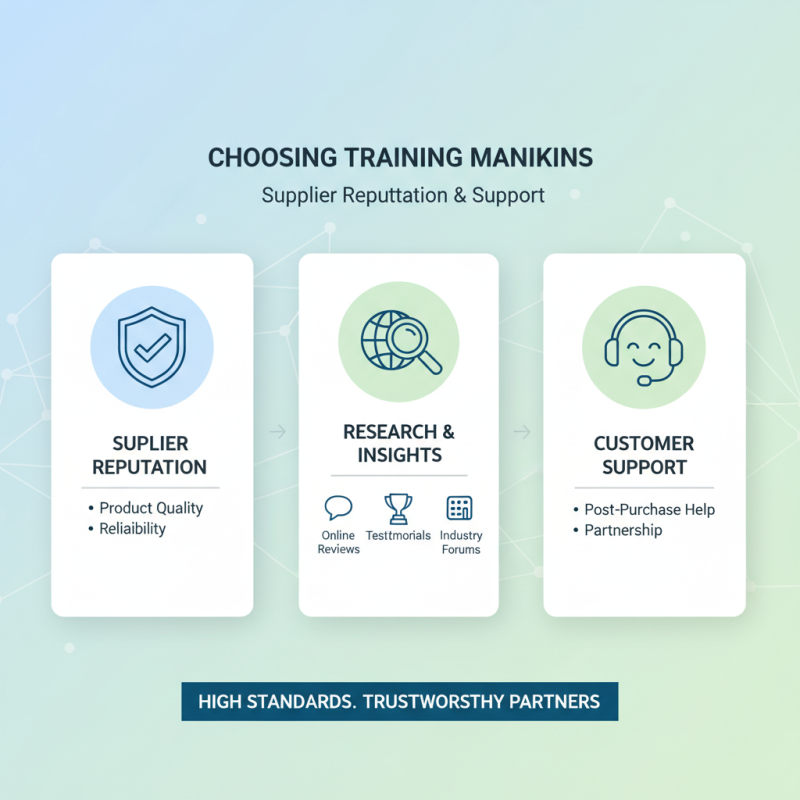
When selecting training manikins, it is crucial to research supplier reputation and their customer support services. A supplier's reputation speaks volumes about the quality of their products and their reliability as a business partner. Look for suppliers who have established a strong presence in the industry, as they are likely to offer manikins that meet the highest standards. Engaging with online reviews, testimonials, and industry forums can provide invaluable insights into users' experiences, helping to identify trustworthy suppliers.
Equally important is understanding the level of customer support provided by the supplier. Good customer service can greatly enhance your purchasing experience, especially when issues arise or when you need assistance with product usage. Investigate whether the supplier offers comprehensive support options such as technical assistance, replacement parts, or training resources. Prompt and helpful customer service can mitigate potential frustrations and ensure that instructors and trainees can make the most of their training equipment. By prioritizing reputation and support services, you can make a well-informed decision that enhances your educational environment.