What is a Cpr Mannequin and How is it Used?
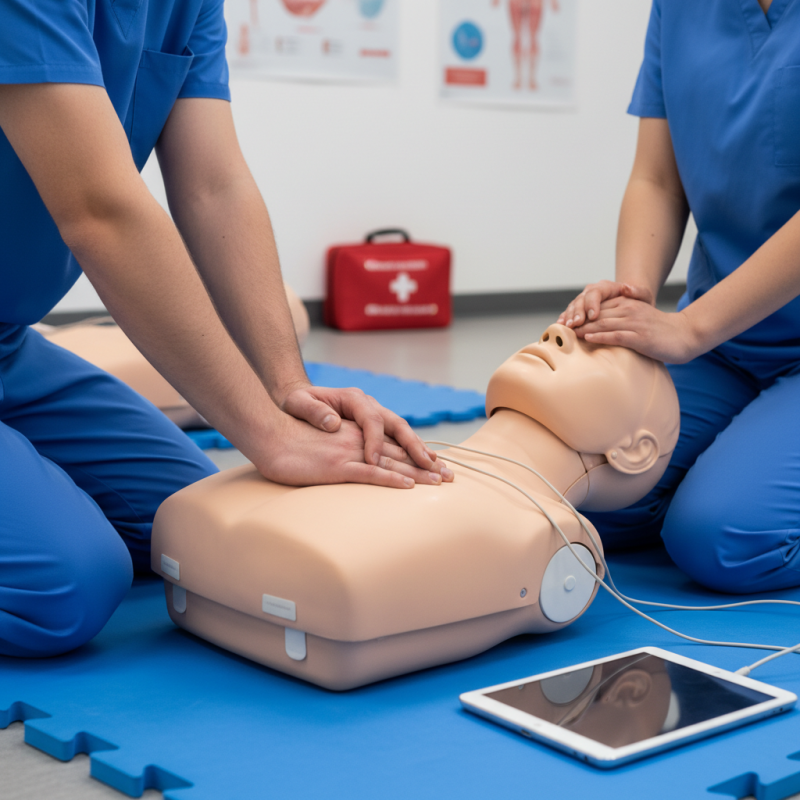
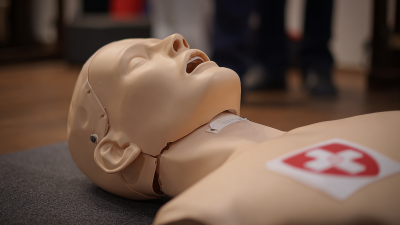
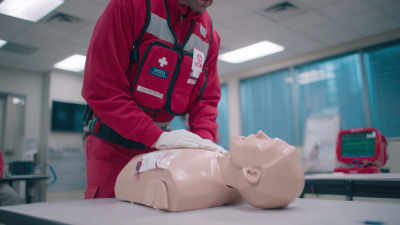
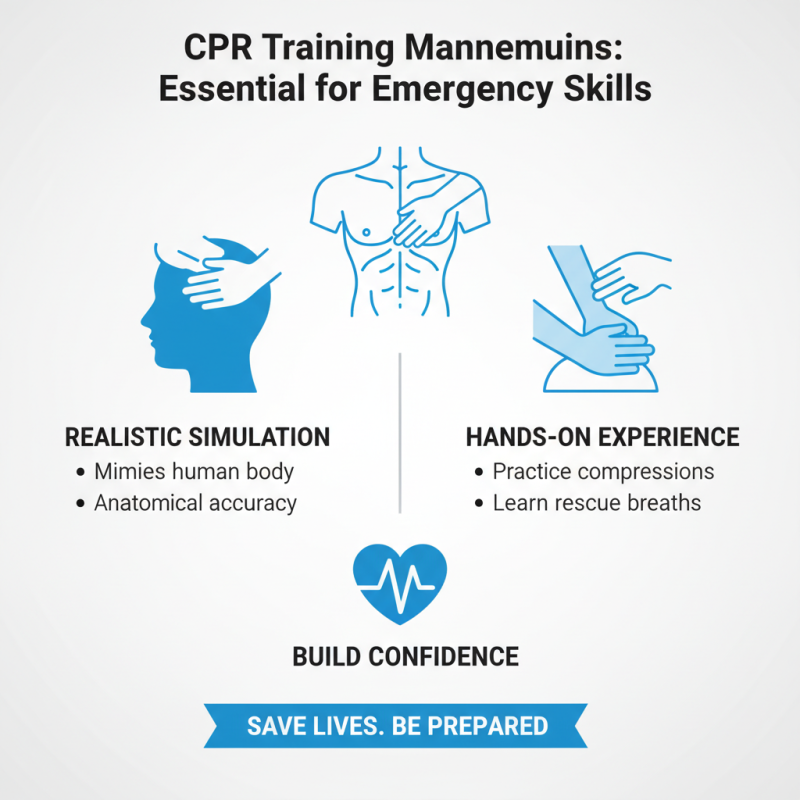
A CPR mannequin is an essential tool for training in cardiopulmonary resuscitation. This lifelike device simulates a human body, allowing trainees to practice life-saving techniques. With realistic features, it helps learners perform chest compressions and rescue breaths effectively.
Using a CPR mannequin offers a hands-on experience. Trainees can feel the proper depth and rhythm needed during resuscitation. Mistakes often happen in training, which is part of the learning process. Recognizing these errors is crucial. For example, some may push too hard or too softly. These are points of reflection that improve skills.
Moreover, the mannequin provides feedback. This feature guides learners on their technique. It highlights areas needing improvement, fostering confidence. The learning experience with a CPR mannequin is invaluable. It prepares individuals to face real-life emergencies. Being equipped with these skills can save lives.
Understanding CPR Mannequins: Definition and Purpose
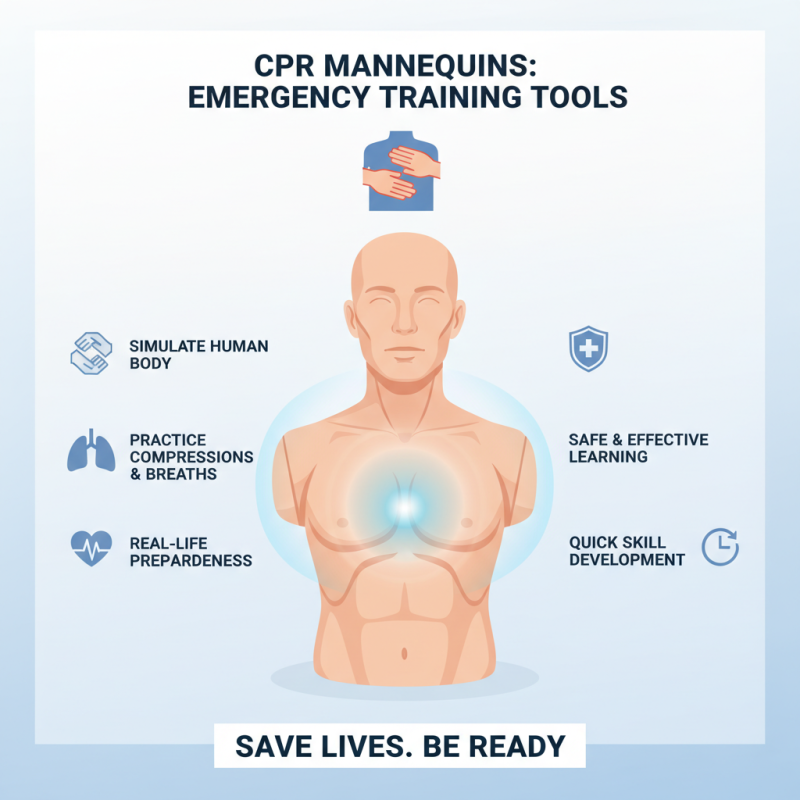
CPR mannequins are training tools used to teach cardiopulmonary resuscitation techniques. They are designed to simulate a human body, making the learning experience realistic. These mannequins help trainees practice chest compressions and rescue breaths safely and effectively. The primary purpose is to prepare individuals for real-life emergencies.
When using a CPR mannequin, it's crucial to focus on proper technique. Ensure your hand placement is correct. This practice helps build muscle memory. You might feel unsure at first. That’s normal. Reflect on your movements and adjust as needed. Many trainees find it helpful to work in pairs. This way, you can give each other feedback.
Tips for effective training: Always check the mannequin’s responsiveness before starting. If it’s not reacting, something might be off. Maintain a steady rhythm during compressions, around 100 to 120 per minute. It might feel awkward at times. Don’t hesitate to ask for guidance. Remember, practice makes perfect. Each attempt brings you closer to mastering CPR.
Types of CPR Mannequins: Adult, Child, and Infant Models
CPR mannequins are essential tools for learning life-saving skills. They come in different models, tailored for various age groups. Each type allows for hands-on practice in a realistic setting.
Adult mannequins are larger, mimicking the anatomy of an average adult. This model helps learners understand how to apply the correct amount of pressure during chest compressions. Many people struggle to find the right depth and rhythm, often underestimating the strength needed.
Child and infant mannequins are smaller and designed for younger individuals. They accurately represent the bodies of children and infants. Practicing on these models teaches crucial techniques. Learners often find it challenging to adapt their approach based on age. The pressure required for infants is significantly lighter, which can lead to errors. Understanding the differences is critical for effective CPR.
What is a Cpr Mannequin and How is it Used? - Types of CPR Mannequins: Adult, Child, and Infant Models
| Mannequin Type |
Age Group |
Key Features |
Common Uses |
| Adult CPR Mannequin |
16 years and older |
Lifelike anatomy, realistic weight, feedback mechanism |
Training for BLS, AED use, basic first aid |
| Child CPR Mannequin |
1 to 8 years |
Adjustable airways, realistic chest rise |
Pediatric CPR training, emergency response courses |
| Infant CPR Mannequin |
0 to 1 year |
Small size, soft body for realistic simulations |
Infant CPR courses, caregiver training |
Statistics on CPR Training Effectiveness Using Mannequins
CPR mannequins are essential tools in training for cardiopulmonary resuscitation. These life-like dummies allow trainees to practice techniques safely. Instructors can adjust the mannequins to simulate real-life scenarios. This hands-on experience enhances learning and retention in participants.
Statistics reveal significant benefits to training with mannequins. Studies indicate that around 70% of trainees feel more confident after completing a session. However, challenges remain. Some trainees report difficulty translating mannequin practice to real-life situations. The pressure of a real emergency can differ greatly from practice.
Instructors often encourage reflecting on these differences. A trainee may ace the training but struggle in the moment. Thus, ongoing practice and regular refresher courses are vital. Knowledge and skills can fade over time if not actively used. Mannequins remain a crucial element in bridging the gap between theory and real-life application.
Best Practices for Using CPR Mannequins in Training Sessions
CPR mannequins are essential tools for training in cardiopulmonary resuscitation. These lifelike models allow trainees to practice techniques effectively. However, using them properly is vital for maximizing their benefits. According to the American Heart Association, hands-on practice can enhance retention by 80%. Thus, trainers should focus on realistic scenarios.
During training sessions, it's important to ensure that each participant gets ample hands-on experience. Ideally, one mannequin per learner is optimal for personalized practice. A study indicates that 30 minutes on a CPR mannequin can significantly improve skill and confidence. Yet, many sessions fail to allow sufficient time for this kind of engagement. This can result in inadequate proficiency among trainees.
Feedback is another key element when using CPR mannequins. Continuous evaluation helps identify areas for improvement. Trainers should encourage participants to observe each other. This peer feedback can be as valuable as instructor critiques. It’s essential to create an open environment for discussion. Reflecting on performance can lead to personal growth and better outcomes in real-life situations.
CPR Training Effectiveness Using Mannequins
This bar chart represents the effectiveness of CPR training sessions using mannequins. The data shows the percentage of participants who felt confident performing CPR before and after using the mannequin in training sessions.