How to Choose the Best VR Training Platforms for Your Needs?
In recent years, VR training platforms have transformed how organizations conduct training. Expert Dr. Emily Chen, a leader in virtual reality learning, states, "The right VR training platform can make or break your educational strategy." As industries embrace virtual environments, selecting the best platform becomes critical.
When choosing VR training platforms, consider your unique needs. It is essential to evaluate features that foster engagement and retention. However, many organizations often overlook the significance of user feedback. Think about how your team interacts with the platform. Are they comfortable? Are there technical issues? These factors can hinder success.
Furthermore, not every platform will suit every organization. Some might offer flashy features, but they may lack in functionality. It’s vital to balance innovation with practicality. As you navigate this landscape, reflect on your goals. Understand that the journey of incorporating VR training is ongoing. Careful consideration will guide you to the right platform for your training needs.
Understanding Your Training Needs in VR
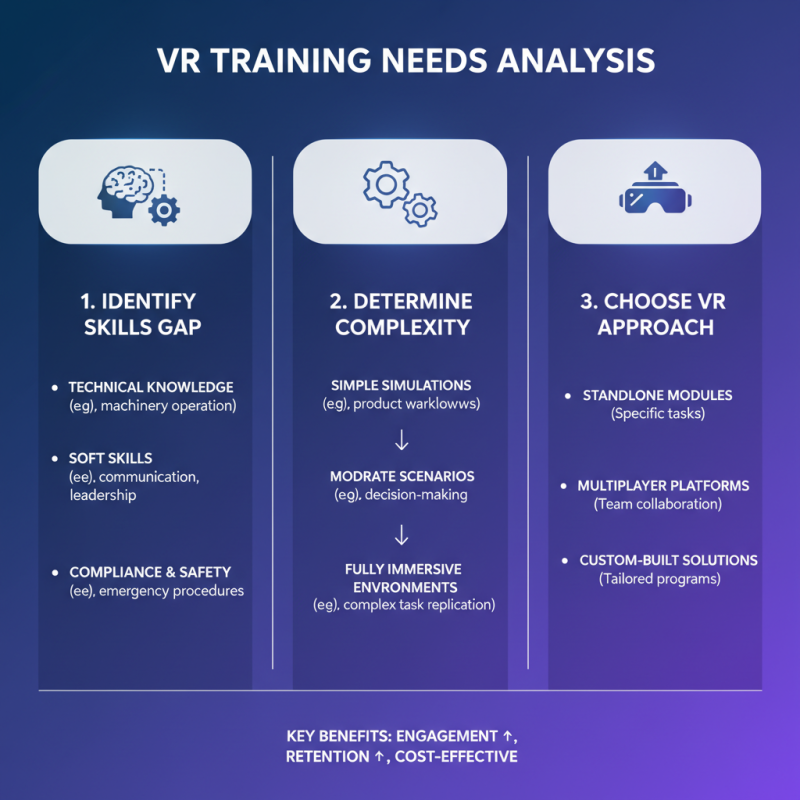
Understanding your training needs in virtual reality (VR) is crucial. Start by analyzing the specific skills your team needs to develop. Is it technical knowledge, soft skills, or something else? Once identified, consider the complexity of the training. Some topics may require immersive scenarios, while others might benefit from simpler simulations.
Gather input from your team. Their insights can pinpoint strengths and weaknesses in existing training methods. Think about how often training needs to happen. Frequent updates may suggest a dynamic platform, while infrequent sessions may allow for more extensive, in-depth courses.
Reflect on the available resources. Does your organization have the necessary hardware? If not, investing in VR headsets and compatible devices must be part of your planning. Remember, effective training is not solely about advanced technology; it's about how well it meets your team’s unique needs. Balancing these factors can lead to a tailored VR training solution that truly benefits your organization.
Key Features to Look for in VR Training Platforms
When selecting a VR training platform, certain key features can make all the difference. First, prioritize user-friendliness. A platform that is intuitive allows for quick onboarding. If users struggle to navigate, valuable training time is wasted. Graphics quality also plays a crucial role. High-resolution visuals create immersive environments, making learning more engaging. Subpar graphics can distract users, reducing the overall effectiveness of the training.
Another aspect to consider is content customization. The ability to tailor scenarios to meet specific training needs is essential. Rigidity limits adaptation. Look for platforms that offer adaptive learning paths. These paths respond to a user's progress. This ensures that training remains relevant.
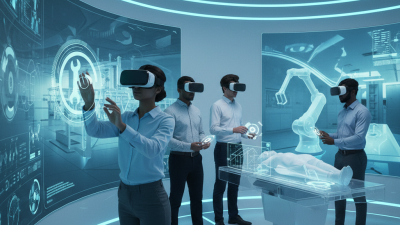
Lastly, assess support and collaboration tools. Effective communication fosters teamwork in VR settings. Platforms with built-in chat or video options aid interaction. However, platforms lacking these features may limit collaborative learning experiences. Addressing these areas can enhance your VR training effectiveness. Make sure to reflect on what your organization truly needs before making a choice.
How to Choose the Best VR Training Platforms for Your Needs?
| Feature |
Description |
Importance Level |
| User Experience |
Intuitive interface and easy navigation to enhance learning. |
High |
| Customization Options |
Ability to tailor training modules to specific organizational needs. |
Medium |
| Performance Tracking |
Tools for assessing user performance and progress. |
High |
| Content Variety |
Diverse training content across multiple domains. |
Medium |
| Technical Support |
Accessible support for troubleshooting and user inquiries. |
High |
| Integration Capability |
Compatibility with existing Learning Management Systems (LMS). |
Medium |
| Scalability |
Ability to expand training programs as organizational needs grow. |
High |
| Realism and Immersion |
High-quality graphics and environments that mimic real-world scenarios. |
High |
Comparing Pricing Models of VR Training Solutions
When choosing a VR training platform, one critical aspect is the pricing model. The landscape of VR training is diverse. Many platforms offer subscription-based models, which can lead to lower upfront costs. However, long-term expenses can accumulate. In a recent industry report, about 48% of organizations found subscription models often not ideal for long-term training needs.
Another pricing model is the one-time licensing fee. This option provides ownership of the content and often requires a larger initial investment. Around 37% of companies prefer this model for its predictability. Yet, organizations must regularly update their content, which adds hidden costs.
Blended pricing models combine both approaches. They offer flexibility, but tracking expenses can become complex. Integration and maintenance costs may also fluctuate. A survey indicated that 42% of users were unsure about the total cost of ownership in blended models. Ultimately, selecting a pricing model requires careful consideration. Organizations should assess usage patterns and future needs to avoid financial pitfalls.
Evaluating User Experience and Technical Support in VR Training
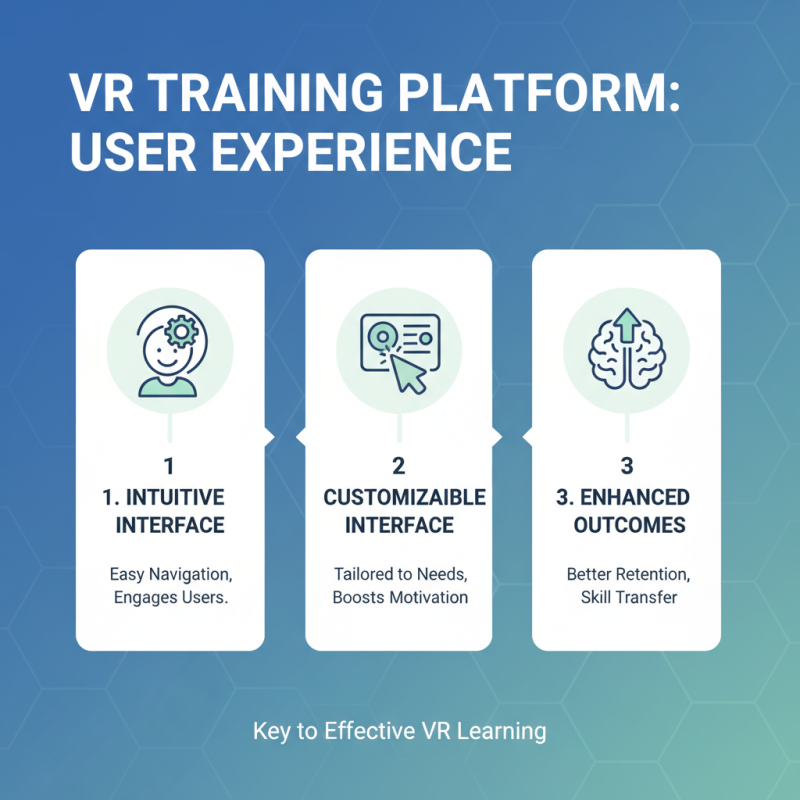
When evaluating VR training platforms, user experience is crucial. A clean, intuitive interface helps users navigate effortlessly. Users should feel engaged, not overwhelmed. Look for platforms that offer customizable interfaces tailored to specific training needs. This can enhance motivation and retention.
Technical support is another key factor. Reliable support can make or break the experience. Some platforms provide 24/7 assistance, while others may fall short during critical times. Accessible support channels, like chat or phone help, are essential. It's frustrating when issues arise and users feel lost.
Not all platforms achieve a seamless experience. Users might encounter bugs or connectivity issues, disrupting training. It's important to read user reviews to understand common pitfalls. Take time to choose a platform that balances user-friendliness with strong support options. Some evaluations might reveal unexpected weaknesses.
Assessing Content Quality and Customization Options in VR Training
When selecting a VR training platform, content quality and customization options are key factors. A recent survey indicated that 72% of companies prioritize high-quality content in their training programs. Engaging scenarios and realistic simulations hold learners’ attention better than traditional methods. Quality content can translate into improved retention rates. Studies show that immersive experiences can boost engagement by up to 90%.
Customization options are vital as well. Each organization has unique training needs. Platforms that allow tailored content creation and modification can address specific skills and scenarios. Research shows that personalized learning increases learner satisfaction and efficacy. However, many VR platforms limit customization, leaving users frustrated.
It’s essential to assess the platform's flexibility in adapting content. The ability to incorporate feedback and iterate on training materials is a sign of a robust system.
The balance between content quality and customization remains a challenge in the industry. Organizations might sacrifice one for the other, impacting overall effectiveness. VR training should not just be trendy; it needs to fulfill educational objectives. Seek platforms that demonstrate a commitment to continuous improvement and user experience. Ask questions, dig deeper, and ensure the solution aligns with your training goals.