How to Choose the Best CPR Mannequin for Training?
When selecting the best CPR mannequin for training, it is crucial to consider several factors. A CPR mannequin is not just a training tool; it can significantly affect the learning experience. The realism and functionality of the mannequin directly impact the training outcomes for participants. An ideal mannequin should mimic human anatomy closely, providing a more authentic experience during practice.
Budget constraints often play a role in the decision-making process. Some mannequins are high-end, featuring advanced technology and feedback systems. However, they may not be feasible for every training program. It's essential to balance quality and affordability. Not all advanced features may be necessary for effective training.
Reflect on your specific training needs. Are you working with beginners or advanced users? This can influence the type of CPR mannequin suitable for your group. Also, consider ease of maintenance and transportation. Some mannequins are cumbersome, making them less convenient for mobile training sessions. Ultimately, choosing the right mannequin is about striking a balance between realism, cost, and practicality.
Understanding the Importance of CPR Training Mannequins
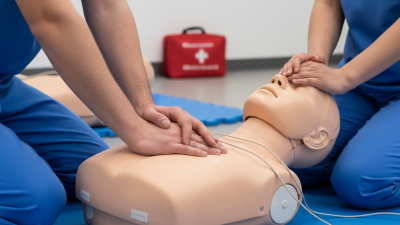
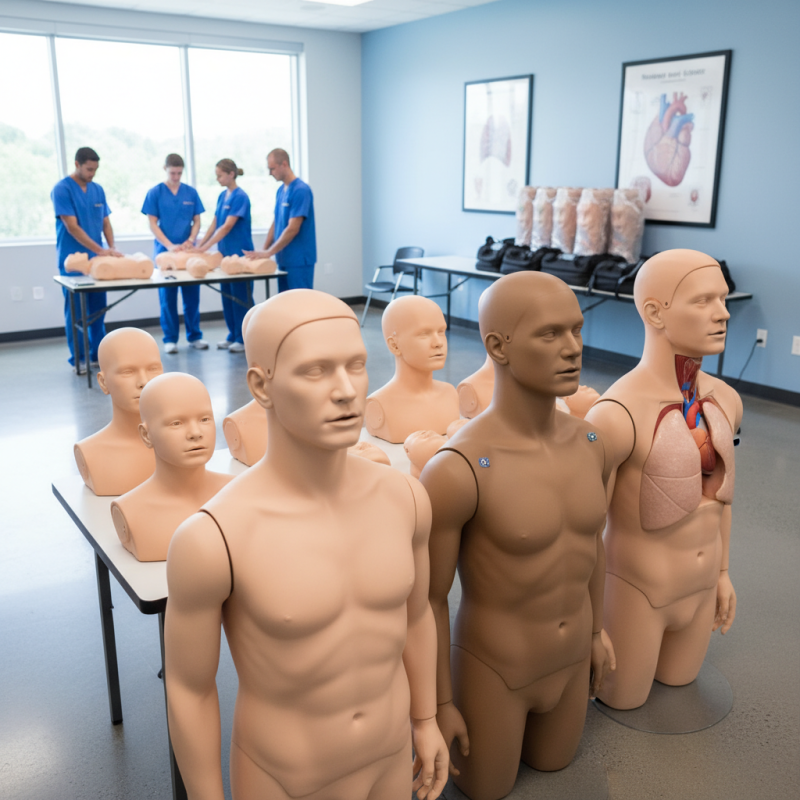
CPR training mannequins play a crucial role in enhancing life-saving skills. They provide a realistic way to practice cardiopulmonary resuscitation. Learners can experience hands-on training. This hands-on practice makes the training impactful.
Selecting the right mannequin is essential. It should mimic human anatomy well. Look for features like a realistic chest rise and fall. Some mannequins even provide feedback, which can be very helpful. This feedback helps learners adjust their techniques. It also boosts confidence when performing CPR.
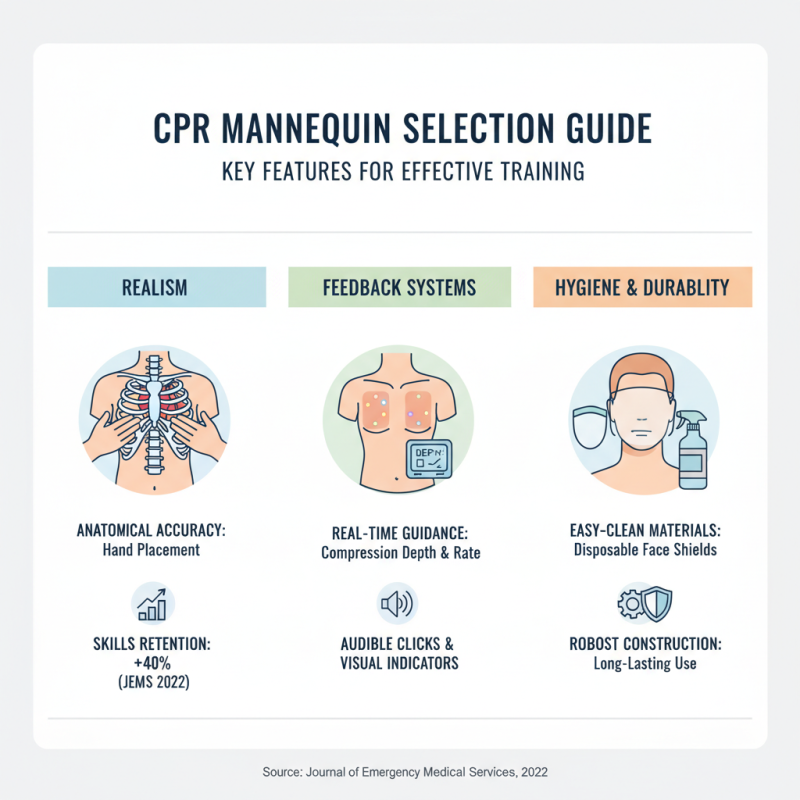
Tips for choosing a mannequin: consider the material. A durable yet lightweight material is ideal for transport. Also, think about easy-to-clean options. Germs can linger on surfaces. Prioritize designs that make hygiene simple. Lastly, assess your budget. Sometimes, spending slightly more ensures better quality and functionality.
Key Features to Look for in CPR Training Mannequins
When selecting a CPR mannequin, several key features can greatly enhance the training experience. Look for realism in the design. Mannequins with anatomical accuracy help trainees understand the correct hand placement for compressions. According to a 2022 study published in the Journal of Emergency Medical Services, using realistic mannequins can improve retention rates for CPR skills by 40%.
Ventilation capabilities are also essential. Mannequins that provide feedback on the rise of the chest can enable learners to gauge their effectiveness. A survey from the American Heart Association indicated that trainees using feedback-equipped mannequins are 30% more likely to perform adequate compressions during evaluations. However, some mannequins are difficult to maintain. Remember, not all features are necessary for every training environment.
Finally, consider the weight and portability of the mannequin. Heavier models may offer stability, but they can also be cumbersome to transport. Trainees often require mannequins that are both functional and easy to use, particularly in varied settings. Opt for mannequins that balance realism and practicality, but be prepared for challenges in functionality and upkeep.
Types of CPR Mannequins: Which One Suits Your Needs?
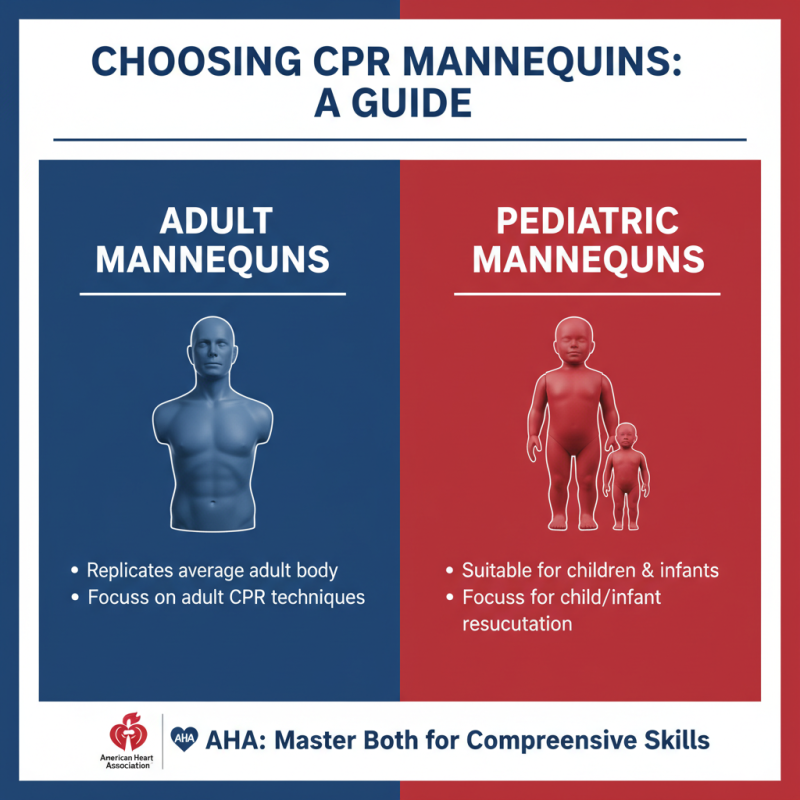
When selecting a CPR mannequin, understanding the types available is crucial. There are several options, each catering to different training needs. For instance, adult mannequins are designed to replicate the body of an average adult. They provide a realistic experience for practicing adult CPR techniques. Pediatric mannequins, on the other hand, are suited for training in child and infant resuscitation. The American Heart Association emphasizes the importance of familiarizing oneself with both types for comprehensive skills development.
Another factor to consider is the features of the mannequins. Some offer feedback mechanisms to improve technique. This includes visual indicators that show the depth and rate of compressions. A study conducted by the Journal of Emergency Medical Services revealed that 92% of trainees reported improved skills when using feedback-enabled mannequins. However, these models often come at a higher cost. This can be prohibitive for many training organizations.
Budget constraints also play a significant role in selection. Basic, no-frills mannequins are widely available and serve a fundamental purpose. They may lack realism and feedback options, which can lead to gaps in training. Without adequate practice, learners may struggle during real emergencies. Thus, finding a balance between budget, features, and the type of training required is essential for effective CPR education.
Evaluating the Cost vs. Quality of CPR Mannequins
When selecting a CPR mannequin, balancing cost and quality is vital. Many options exist, and each has strengths and weaknesses. High-quality mannequins often come with a higher price tag. However, spending less may mean sacrificing essential features.
Consider the training needs. Basic models can serve well for beginners. They may lack advanced features. For experienced trainers, investing in high-quality models is worthwhile. These often include realistic anatomical details and durability. They withstand repeated use. Look for mannequins that provide feedback. This can enhance the training experience greatly.
**Tips:** Always check user reviews. They provide real-life insights. Inspect the materials used. Durable materials ensure long-lasting use. Search for warranty options too. Many cost-effective models might promise the same quality but fall short. Aim for a mannequin that meets your training goals without overspending. Quality doesn’t have to mean high price.
How to Choose the Best CPR Mannequin for Training? - Evaluating the Cost vs. Quality of CPR Mannequins
| Mannequin Type |
Cost (USD) |
Quality Rating (1-5) |
Features |
Recommended Use |
| Adult CPR Mannequin |
$150 |
4 |
Realistic chest rise, removable lung |
Basic Training |
| Child CPR Mannequin |
$120 |
4.5 |
Adjustable airways, realistic feedback |
Pediatric Training |
| Infant CPR Mannequin |
$100 |
5 |
Lightweight, realistic head drop |
Infant CPR Training |
| High-Fidelity CPR Mannequin |
$2000 |
5 |
Advanced physiological response |
Advanced Training & Simulation |
| Torso Model |
$80 |
3.5 |
Basic body structure, no feedback |
Basic CPR Instruction |
Tips for Maintaining and Cleaning Your CPR Mannequin
Maintaining and cleaning your CPR mannequin is essential for longevity and effectiveness. Regular cleaning prevents the buildup of bacteria and ensures a hygienic training experience. Use a gentle antibacterial soap mixed with water to wipe down the surface. Avoid harsh chemicals that could damage the material. Take care to clean all crevices, especially around the mouth and nose. Remember, trainees often focus on these areas; cleanliness matters.
Inspect your mannequin for any wear and tear. Tears in the skin can harbor germs. If you notice any damage, repair it quickly to avoid further issues. Some mannequins come with repair kits for easy fixes. Be mindful of the specific care instructions for your mannequin model. Neglecting maintenance could lead to an unsafe training environment.
Storing your mannequin properly is also crucial. Keep it in a dry, cool place to prevent mold and mildew. When not in use, cover it to shield from dust and debris. Poor storage conditions can result in damage over time. Take a moment to reflect on your storage practices; are they adequate? It's these small details that impact the effectiveness of training.
CPR Mannequin Usage and Maintenance Data