How to Choose the Best Virtual Reality Device for You?
Choosing the right Virtual Reality Device can be overwhelming. Many options flood the market. Each device offers unique features and experiences.
When selecting a Virtual Reality Device, consider what you want most. Do you seek gaming adventures, educational experiences, or immersive films? Not every device excels in every area. Some may disappoint when it comes to comfort and usability.
User feedback is essential here. Read reviews from other users. Listen to their experiences. This process may feel tedious but can significantly help your decision. Ultimately, the best Virtual Reality Device suits your needs and preferences, even if it takes time to find.
Understanding Different Types of Virtual Reality Devices Available Today
Virtual reality (VR) has transformed how we experience digital worlds. There are several types of VR devices available today, catering to different needs.
Standalone headsets are popular for their ease of use. They don’t require a computer or console, making them accessible for casual users. However, they may lack some graphic capabilities and extensive experiences.
Tethered headsets are powerful but require connection to a computer. They provide immersive experiences with high-quality graphics. Yet, the setup can be cumbersome, often requiring a dedicated space. Additionally, the cables can restrict movement.
Mobile VR options use smartphones as screens. They are lightweight and portable. However, the performance may not meet expectations for hardcore gaming.
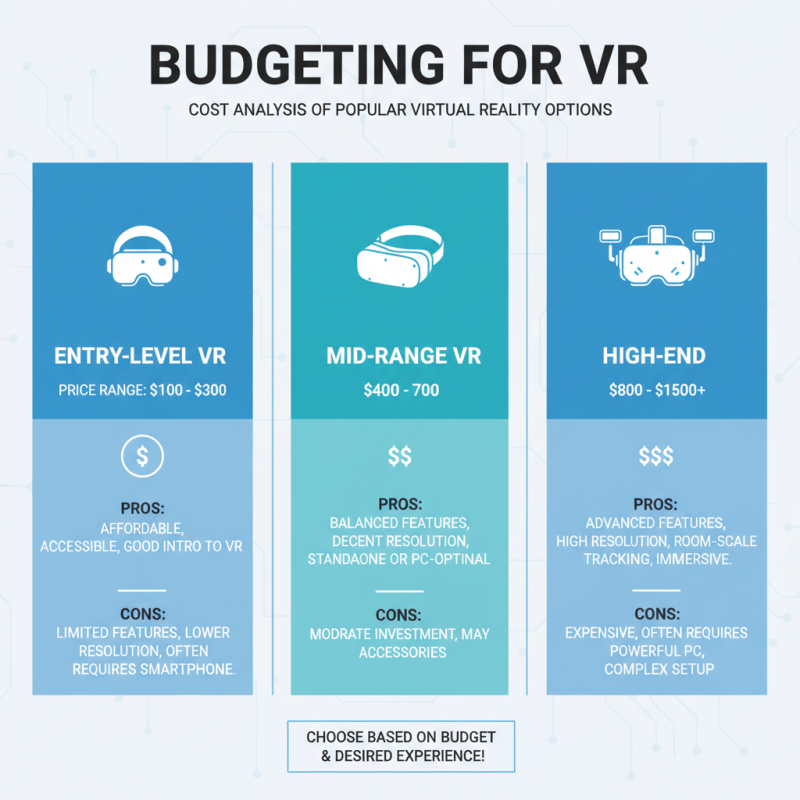
Choosing the right VR device often depends on personal preferences. Consider your budget and what experiences you seek. Are you looking for casual fun or serious gaming? These questions can help guide your decision. There is no one-size-fits-all solution. Reflect on what matters most to you.
Key Features to Consider When Selecting a VR Device for Your Needs
Selecting the right virtual reality (VR) device requires careful consideration of key features. First, think about display quality. The resolution should provide a clear, immersive experience. Studies show higher resolutions lead to less eye strain and a more enjoyable experience. A device with at least 1080p resolution per eye is ideal.
Next, consider tracking technology. Accurate motion tracking enhances immersion. Devices with six degrees of freedom (6DoF) allow for more natural movement. A report indicates that users prefer devices that offer precise movement over those with limited tracking. Comfort is also crucial. Look for adjustable head straps and breathable materials. If you're wearing a headset for hours, comfort can make or break the experience.
Audio quality also contributes significantly. Spatial audio can elevate realism, making sounds appear to come from specific locations. This technology helps users feel more connected to virtual environments. However, not all devices excel in this area. User feedback indicates that audio often gets overlooked but is essential for full immersion. Balancing these features will help you find a device that meets your VR needs.
Virtual Reality Device Features Comparison
Evaluating VR Device Performance: Resolution, Refresh Rate, and FOV
Choosing the right virtual reality device can feel overwhelming. Key specs like resolution, refresh rate, and field of view (FOV) significantly affect the experience. A high resolution enhances clarity. You can spot details more easily. This is vital in immersive experiences like gaming or simulations. Many devices today boast resolutions above 1080p. But is more always better?
Refresh rate is another critical factor. It impacts how smooth the experience feels. A higher refresh rate reduces motion blur. This makes VR feel more lifelike. Many enjoy a rate above 90Hz, where actions appear fluid. Yet, some devices with higher rates aren’t always better. Performance can drop if the hardware can't keep up.
Field of view shapes how much you see. A wider FOV creates a more immersive environment. It draws you into the experience. However, some users may feel dizzy if FOV is too wide. Finding the right balance is key. User preferences vary widely. It’s essential to test different devices. Your comfort and enjoyment should drive the choice.
User Experience: Reviews and Feedback from VR Device Owners
When it comes to choosing a virtual reality device, user experience is crucial. Owners often share their insights online. One common piece of feedback is about comfort. Many devices can feel heavy after extended use, leading to fatigue. Feedback suggests that adjustable straps and lighter materials enhance enjoyment. Users appreciate when weight is balanced evenly.
Another aspect frequently discussed is the ease of use. Some devices have complicated setups that frustrate new users. Owners recommend easy-to-follow instructions. Clear guides improve the initial experience. Some users talk about losing track of time while immersed in different worlds. However, not every experience is positive. Occasionally, users report motion sickness, diminishing enjoyment.
Audio quality is another important factor. Many users express a desire for more immersive sound. Headphones that provide spatial audio significantly enhance engagement. However, some owners think built-in audio lacks depth. Feedback loops help manufacturers make improvements. An ongoing conversation helps ensure that future devices meet user needs. Owners appreciate when their voices are heard and considered in the design process.
How to Choose the Best Virtual Reality Device for You?
| Device Model |
User Rating (1-5) |
Comfort |
Price Range |
Recommended For |
| Model A |
4.5 |
High |
$299 - $399 |
Casual Gamers |
| Model B |
4.0 |
Medium |
$499 - $599 |
Professionals |
| Model C |
3.5 |
Low |
$199 - $299 |
Budget Users |
| Model D |
4.8 |
Very High |
$699 - $799 |
Enthusiasts |
| Model E |
4.2 |
Medium |
$349 - $449 |
Mixed Reality Users |