Why Choose a VR System for Your Business Needs?
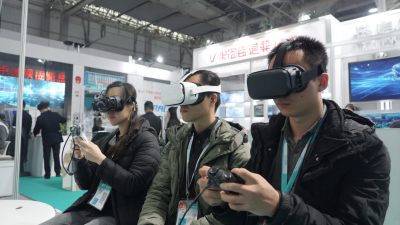
In today's rapidly evolving business landscape, adopting a VR system can transform how companies operate. Reports indicate that industries utilizing VR technology have experienced a 40% increase in productivity. This statistic underscores the importance of immersive experiences in enhancing employee training, customer engagement, and operational efficiency.
Moreover, a recent survey highlighted that around 85% of businesses have noted improved collaboration through VR platforms. This technology enables teams to brainstorm and visualize projects in a virtual space, cutting down travel costs and time. However, it is essential to recognize that implementing a VR system is not without challenges. Organizations may face a learning curve and initial investment concerns, which require thoughtful consideration.
Despite the obstacles, the potential of a VR system to innovate business processes remains significant. The impact of this technology resonates across various sectors, including healthcare, real estate, and education. As industries continue to trend toward digital transformation, a well-integrated VR system can provide a competitive edge in driving growth and enhancing user experiences.
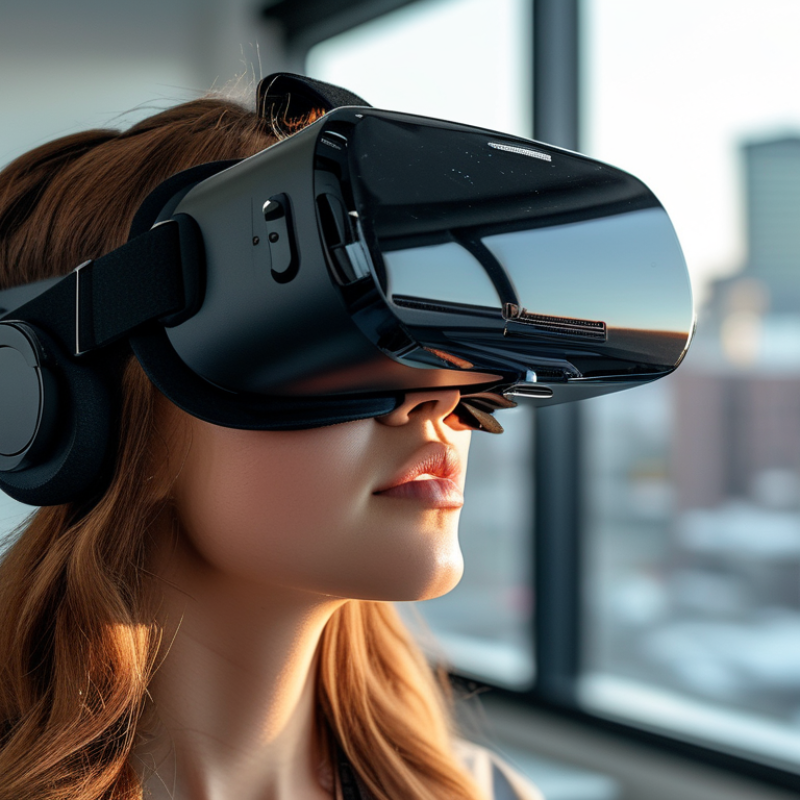
Benefits of Implementing a VR System in Business Operations
Virtual Reality (VR) is transforming how businesses operate. Companies that adopt VR technologies report increased efficiency and enhanced training outcomes. According to a study by PwC, VR training can lead to a staggering 40% increase in information retention compared to traditional methods. This is critical for industries where complex skills are necessary. By engaging employees in immersive environments, they grasp concepts faster and retain knowledge longer.
Moreover, VR allows businesses to create realistic scenarios without the associated risks. For instance, in the manufacturing sector, simulation training can safely expose workers to hazardous situations. A 2021 report from Deloitte indicated that effective VR solutions saved companies up to 20% in training costs. However, challenges remain. Implementation costs can be high, and not all employees may adapt quickly to such technology. Businesses must consider ongoing support and updates to ensure optimal use.
Additionally, while VR enhances customer experiences, not every company may see immediate return on investment. User experiences can vary widely in quality. Relying solely on VR without addressing other operational needs can lead to disappointments. A thoughtful approach ensures that VR aligns with overall business goals.
Key Industries That Can Thrive with VR Technology
Virtual Reality (VR) technology has the potential to transform several key industries. One sector that can significantly benefit is real estate. VR enables clients to take virtual tours of properties. This immersive experience can save time for agents and customers alike. It also allows buyers to explore various locations without leaving their homes.
Another industry poised for growth with VR is healthcare. Medical students can practice procedures in a risk-free environment. Surgeons can rehearse complex operations using realistic simulations. This not only boosts confidence but also ensures better patient outcomes. However, implementing such technology requires investment and commitment from educational institutions.
The tourism industry also stands to gain. VR can provide virtual travel experiences, attracting more visitors. People can explore destinations and make informed travel choices. Yet, there are concerns about the detachment from real experiences. Balancing technology with authentic journeys remains a challenge. Each industry can thrive, but careful integration is essential.
Cost Considerations When Choosing a VR System for Business
When considering a VR system for business, cost plays a crucial role. A recent industry report highlights that the average investment for VR technology in businesses ranges from $20,000 to $500,000, depending on the complexity of the system. Smaller companies may find entry-level solutions priced around $5,000, while larger firms may need to allocate significant budgets to optimize the technology. Understanding these costs is essential for sound financial planning.
Tips for cost management include starting with basic VR software, which could reduce initial expenses. For training purposes, subscription models may be more affordable compared to one-time purchases. Another consideration is the ongoing maintenance costs associated with VR systems. A study reveals that businesses spend an average of 15% of their initial investment annually on updates and support. Identifying these costs upfront helps in better budgeting.
Furthermore, it’s important to assess the potential return on investment. A report indicates that companies using VR for training can save up to 30% on training time and improve retention rates. However, overestimation of savings can lead to disappointment. You'll need a clear plan to measure success, ensuring that your investment in VR yields the expected benefits and supports your business objectives.
How VR Enhances Employee Training and Development Programs
Virtual Reality (VR) offers innovative solutions for employee training and development programs. By immersing employees in realistic scenarios, VR enhances engagement and retention of information. For example, VR can simulate complex machinery operations. Trainees practice in a safe environment, reducing the risk of accidents and errors. This immersive approach allows for repeated practice without real-world consequences.
Creating effective training programs requires understanding different learning styles. Some may struggle with traditional training methods. VR caters to visual and kinesthetic learners, allowing them to interact with the content. However, VR might not suit everyone. Some employees may feel overwhelmed or anxious in virtual environments. It's essential to gauge their comfort levels and provide support.
Additionally, VR training can be resource-intensive. Setting up VR systems incurs costs and requires ongoing maintenance. Not all businesses may have the budget for this technology. Balancing the benefits of VR with potential downsides is crucial. Companies must evaluate their specific needs and capabilities before integrating VR into their training programs. While VR is a powerful tool, it shouldn't be the only method used for employee development.
Assessing the ROI of VR Solutions for Your Business Needs
Investing in a VR system can be transformative for businesses. However, assessing the ROI is crucial before making a commitment. Businesses must consider direct benefits, such as increased employee training efficiency and improved customer engagement. Training through VR provides immersive experiences that traditional methods cannot match. This leads to deeper understanding and retention.
The potential cost savings are significant. Reduced travel expenses for training sessions and fewer material costs are attractive incentives. But, a complete analysis is necessary. Businesses should evaluate their specific needs and ensure that VR technology aligns with their goals. There could be hidden costs, like maintenance or updates, that could impact ROI.
Evaluating the results of VR implementations takes effort. Gathering data on user experience and performance improvements is vital. Some companies may find initial results disappointing. Continuous assessment and adaptation are essential to meet changing business demands. Over time, an effective VR system can lead to substantial gains but requires ongoing commitment and reflection.
Why Choose a VR System for Your Business Needs?
This chart illustrates the estimated return on investment (ROI) for various VR solutions in business contexts. Training offers the highest ROI, demonstrating VR's effectiveness in enhancing learning outcomes, while customer engagement and product development also show significant potential. These insights can help in assessing the value of integrating VR into your business strategy.