2026 Best Patient Simulation Scenarios for Healthcare Training?
The healthcare industry is constantly evolving, necessitating advanced training methods. Patient Simulation Scenarios play a crucial role in preparing professionals for real-world challenges. These scenarios immerse learners in realistic situations, enhancing critical thinking and decision-making skills.
In 2026, the best simulation scenarios will focus on diversity and complexity. They will push the boundaries of traditional training, emphasizing patient-centered care. As healthcare systems become more intricate, the need for effective simulation strategies grows. It’s vital to recognize that not all scenarios will resonate with every learner. Each scenario presents unique challenges that require reflection and adaptation.
As educators design these Patient Simulation Scenarios, feedback and adaptability will be key. Continuous improvement hinges on understanding what works and what doesn’t. Engaging with healthcare professionals and learners alike can illuminate gaps and successes within these simulations. By prioritizing realistic and reflective training, the next generation of healthcare practitioners will be better equipped to handle the complexities of patient care.
Definition and Importance of Patient Simulation in Healthcare Training
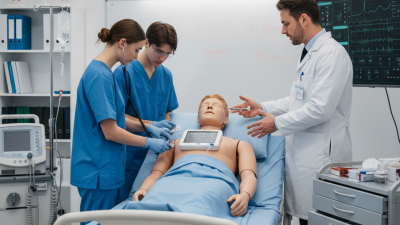
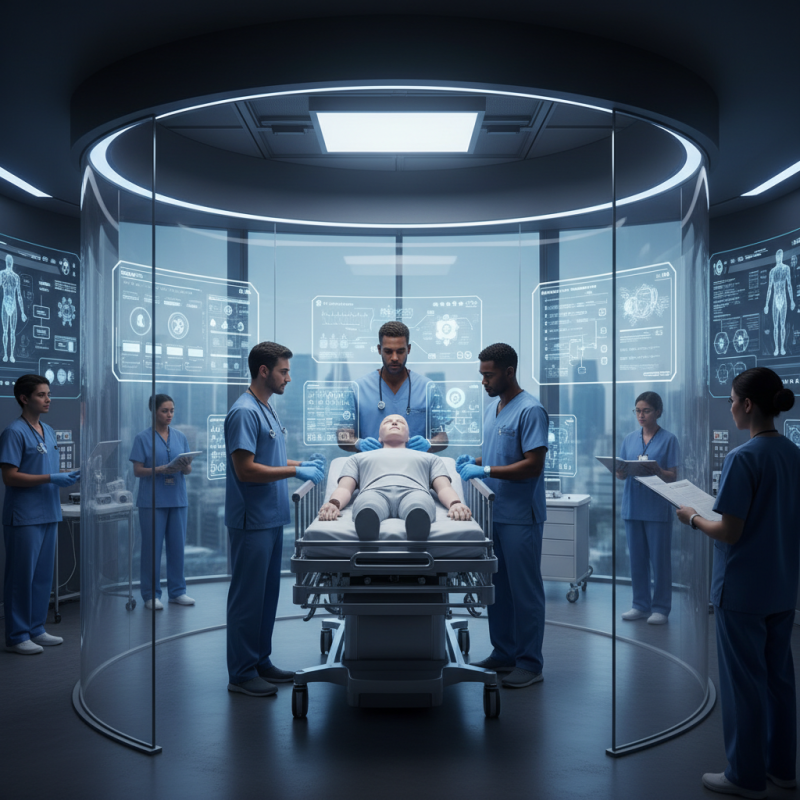
Patient simulation is a powerful tool in healthcare training. It allows practitioners to engage in realistic scenarios without risking patient safety. These simulations can mirror real-life situations. For instance, managing a cardiac arrest or a complicated delivery. This hands-on training fosters critical thinking. It develops both technical skills and communication.
The importance of patient simulation cannot be overstated. It exposes learners to a variety of situations. Trainees can practice responses to unexpected complications. This preparation builds confidence and competence. Yet, not every simulation is perfect. Some might not reflect real-world challenges. Feedback from these exercises is essential for growth. It helps identify gaps in knowledge and skills. Continuous reflection and improvement are necessary.
Incorporating patient simulation into training programs enhances learning outcomes. Educators can tailor scenarios based on specific needs. This adaptability is crucial for effective training. Engaging in simulations prepares healthcare providers for real-life emergencies. It promotes collaboration and teamwork among medical staff. Ultimately, patient simulation enriches the educational experience in healthcare.
Key Components of Effective Patient Simulation Scenarios
Patient simulation scenarios play a critical role in healthcare training. These scenarios must reflect real-life situations. Realism enhances learning and retention. Scenarios should be detailed and relevant to common medical conditions. This helps trainees understand the complexities of patient interactions.
An effective simulation includes key elements. It should engage participants emotionally and intellectually. Actors or facilitators acting as patients add depth. The creation of specific goals is also vital. Clear objectives guide the training process, ensuring focus. Feedback is essential during and after the simulation. Constructive criticism fosters growth and improvement.
Diversity in scenarios is key. Different cultural backgrounds can affect patient care. Scenarios should address these variations to enhance cultural competence. It’s crucial to continuously reflect on these simulations. What worked well? What did not? These reflections drive improvement and effectiveness in future training sessions.
2026 Best Patient Simulation Scenarios for Healthcare Training
| Scenario Title |
Key Learning Objectives |
Target Audience |
Duration |
Complexity Level |
| Cardiac Arrest Management |
CPR techniques, AED usage, teamwork |
Nurses, Paramedics, Medical Students |
30 minutes |
High |
| Diabetic Emergency Response |
Identifying symptoms, administering glucagon |
All Healthcare Providers |
20 minutes |
Medium |
| Trauma Assessment and Management |
FAST exam, stabilization techniques |
EMTs, Trauma Surgeons |
45 minutes |
High |
| Anaphylaxis Response |
Recognizing signs, EpiPen usage, emergency protocols |
Nurses, Allergists, Medical Students |
25 minutes |
Medium |
| Stroke Recognition and Response |
FAST assessment, immediate action |
Stroke Teams, General Practitioners |
35 minutes |
High |
Types of Patient Simulation Scenarios for Different Medical Disciplines
Patient simulation scenarios play a crucial role in healthcare training. These simulations are designed to replicate real-life situations that healthcare professionals may encounter. They vary across different medical disciplines, each tailored to enhance specific skills and decision-making abilities.
In emergency medicine, simulations often focus on rapid assessment and intervention scenarios. Trainees might practice handling a cardiac arrest or a trauma case. These situations are intense and require quick thinking. For nursing, simulations may center on patient care management, communication, and empathy. Scenarios like delivering bad news or managing complex chronic conditions can be challenging. They demand not just clinical skills but also emotional intelligence.
For surgical training, simulations offer a chance to practice techniques without risk to patients. Surgeons can repeat procedures until they feel confident. However, not all simulations are flawless. Some scenarios may overlook unique patient factors. This can lead to gaps in understanding real-world complexities. Reflecting on these imperfections is vital for improving training methods and outcomes.
Evaluating Outcomes and Effectiveness of Simulation Training
Simulation training has revolutionized healthcare education. By creating realistic patient scenarios, it allows learners to practice critical skills without risk. Each scenario should have clear objectives. This clarity enhances the evaluation of outcomes.
Measuring the effectiveness of simulation training is crucial. Observers collect data during the sessions. Feedback is pivotal, guiding improvements. Students often struggle with applying theory to practice. This gap highlights the need for refining scenarios to address real-life challenges.
Moreover, not all simulation experiences yield positive results. Some trainees may feel overwhelmed or disengaged. Analysis of these setbacks can lead to better designs. Continuous reflection on training outcomes promotes growth. It's essential to adjust scenarios based on trainee responses.
2026 Best Patient Simulation Scenarios for Healthcare Training
This chart illustrates the effectiveness percentage of various patient simulation scenarios utilized in healthcare training for the year 2026. Each scenario highlights the key areas where healthcare professionals improve their skills through simulated practice.
Future Trends in Patient Simulation for Healthcare Education
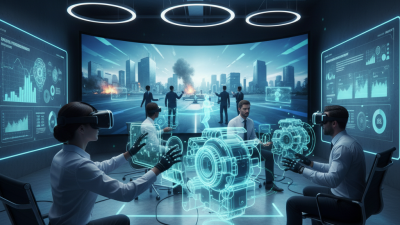
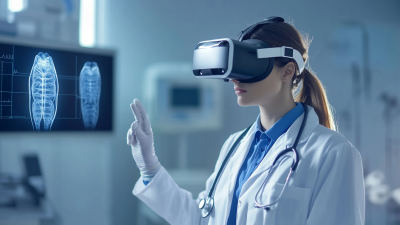
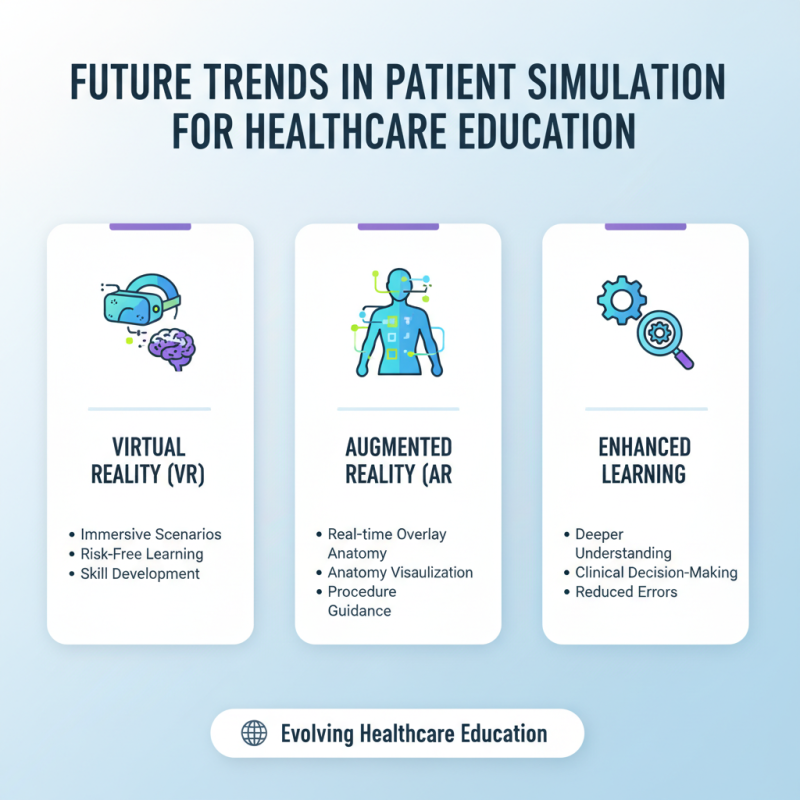
The future of patient simulation in healthcare education is evolving rapidly. One notable trend is the integration of technology, such as virtual reality and augmented reality. Immersive simulations enable students to experience realistic scenarios without the risk associated with real patients. This approach promotes a deeper understanding of clinical skills and decision-making.
Another significant trend is the emphasis on personalized learning. Educators are increasingly focusing on tailoring training scenarios to fit individual student needs. For instance, simulations can target specific skills, such as emergency response or empathy in patient interactions. This adaptive learning model fosters a more engaging and effective training environment.
However, the rapid pace of technological advancement raises concerns. Not all educators may be equipped to integrate these tools effectively. Additionally, over-reliance on simulations could lead to gaps in hands-on experience. Balancing technology with traditional methods remains essential. Ongoing research and collaboration between educators and healthcare professionals will be crucial in refining these simulation scenarios. The challenge is finding the right mix to ensure comprehensive training.