Leave Your Message
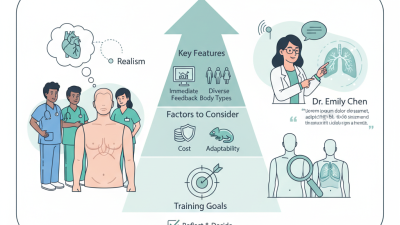
Choosing the right Dummy For Cpr in 2026 is not simply about price, appearance, or brand popularity. A useful training manikin should support realistic chest compressions, clear feedback, safe ventilation practice, and repeated classroom use. It should also match the learner’s age group, training goals, and available teaching equipment.
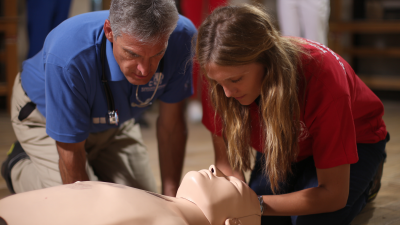
Instructors often notice small details first. A firm chest surface changes compression confidence. A visible chest rise can reveal poor ventilation technique. Easy-to-clean skin and replaceable lungs matter after several busy training sessions. These practical features can influence learning more than attractive packaging. They also help trainers provide consistent, measurable coaching.
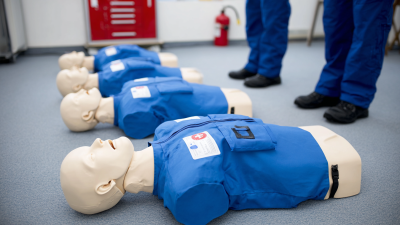
The best choice depends on context. A compact adult manikin may suit home practice or small classes. Professional programs may need infant and child models, wireless feedback, or several units for group training. Buyers should review current guidance from recognized resuscitation organizations and confirm compatibility with their course requirements. Manufacturer instructions and independent user feedback deserve equal attention.
Still, no manikin perfectly reproduces a real emergency. That limitation matters. Some feedback systems simplify complex performance into scores, which can encourage learners to chase numbers. Experienced trainers should combine device feedback with observation, verbal coaching, and scenario practice. I would also question products that promise “lifelike” results without explaining their testing methods. A reliable Dummy For Cpr should make practice clearer, not replace professional instruction. This guide compares key features, durability, feedback quality, maintenance needs, and overall value to help you choose with fewer regrets.
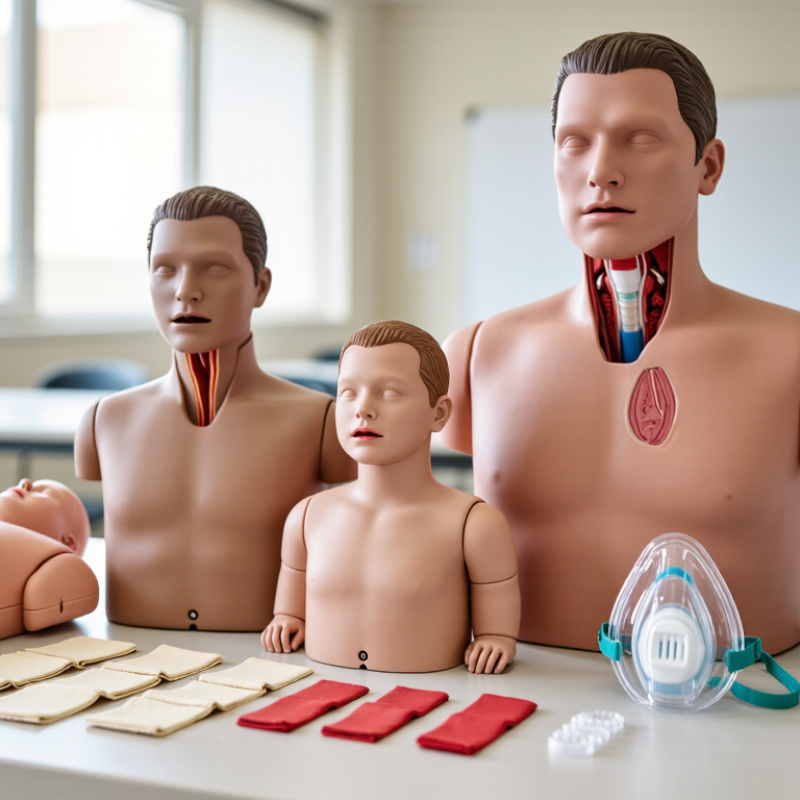
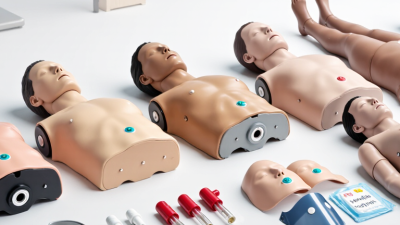
A CPR dummy, often called a training manikin, is a practical model of the human body. It lets learners practise chest compressions, rescue breaths, hand placement, and recoil without risking a real patient. The right model matters because poor feedback can build poor habits. It is not a toy.
The American Heart Association’s 2024 Heart Disease and Stroke Statistics Update reports about 356,000 adult out-of-hospital cardiac arrests in the United States during 2021. Only 10.4% survived to hospital discharge. These figures show why repeated, accurate practice remains important. A suitable CPR dummy should provide realistic chest resistance, visible chest rise, clear compression depth, and reliable recoil. Feedback matters.
The European Resuscitation Council Guidelines 2021 support feedback during CPR training when it improves compression quality. For buyers, that means checking whether the dummy measures depth, rate, release, and ventilation volume. A model with replaceable lungs and face shields also supports cleaner sessions and lower maintenance. Choose an adult model for standard emergency training. Add infant or child versions when your learners may face younger victims. No model is perfect. Some feedback systems can make learners watch a screen instead of feeling the rhythm. That weakness deserves attention. A good purchase balances realism, durability, hygiene, learner age, and instructor control, rather than chasing the most complicated features.
A CPR dummy, also called a CPR manikin, is a training device designed to simulate a person who needs cardiopulmonary resuscitation. The best choice depends on the learner’s age group, training goals, feedback requirements, portability needs, and whether AED or rescue-breathing practice is required.
| CPR Dummy Type | Best For | Typical Training Features | Key CPR Targets | Approximate Size and Weight | Main Advantages | Limitations | Recommended Choice |
|---|---|---|---|---|---|---|---|
| Adult Full-Body Manikin | General public classes, workplace training, schools, and first-aid courses | Chest compressions, rescue breaths, airway positioning, pulse simulation, and basic AED pad placement | Compression rate: 100–120 per minute Compression depth: about 5–6 cm Common single-rescuer ratio: 30:2 |
Usually close to adult human proportions; approximately 150–180 cm long and 8–15 kg | Most versatile option; supports complete adult CPR practice and realistic body positioning | Heavier and more expensive to transport than a torso-only model | Best Overall |
| Adult CPR Torso | Large classes, offices, classrooms, and users who need easy storage | Chest compressions, ventilation, airway opening, and optional electronic compression feedback | Compression rate: 100–120 per minute Compression depth: about 5–6 cm |
Typically 55–75 cm long and 3–8 kg | Lower cost, compact storage, and efficient for repeated classroom practice | Does not provide full-body positioning, leg movement, or realistic patient transport practice | Best for Classes |
| Adult Feedback Manikin | Professional instructors, healthcare students, and skills assessment | Real-time feedback for compression depth, rate, recoil, hand position, ventilation volume, and interruptions | Supports objective practice against the 100–120 per minute rate and approximately 5–6 cm adult depth target | Full-body or torso formats; approximately 3–15 kg depending on configuration | Helps learners correct technique immediately and gives instructors measurable performance data | Requires batteries, a display, or software; higher purchase and maintenance cost | Best for Assessment |
| Child Manikin | Pediatric CPR training, schools, childcare workers, and family-care courses | Child-sized chest, rescue breathing, airway practice, and optional AED training | Compression rate: 100–120 per minute Compression depth: about 5 cm, or approximately one-third of the chest depth |
Usually 90–125 cm long and 4–10 kg | Provides more age-appropriate resistance and body proportions than an adult model | Does not replace infant-specific training and may not represent every child’s size | Best for Pediatric Courses |
| Infant Manikin | Parents, childcare providers, pediatric teams, and infant safety courses | Infant compressions, two-finger or two-thumb technique, rescue breaths, airway positioning, and choking-response practice | Compression rate: 100–120 per minute Compression depth: about 4 cm, or approximately one-third of the chest depth |
Usually 45–65 cm long and 1–4 kg | Teaches techniques that differ significantly from adult CPR, including infant hand placement and depth | Limited usefulness for adult or child CPR instruction | Best for Infant Care |
| Adult–Child–Infant Training Set | Training centers, hospitals, schools, and organizations serving mixed age groups | Separate age-specific manikins, CPR practice, rescue breathing, AED pad placement, and sometimes performance feedback | Adult: 5–6 cm Child: about 5 cm Infant: about 4 cm All: 100–120 compressions per minute |
Combined storage weight commonly ranges from 10–25 kg | Offers the broadest course coverage and supports consistent training across age groups | Requires more storage space, cleaning, replacement parts, and instructor preparation | Best Complete Set |
| Portable Inflatable or Lightweight Manikin | Mobile instructors, community demonstrations, travel training, and occasional practice | Basic compression and ventilation practice; some models include simple click or light feedback | Designed to teach the 100–120 per minute compression rate; depth accuracy depends on the model | Often 1–5 kg and folds or packs into a carrying case | Easy to transport, quick to set up, and useful when storage space is limited | May provide less realistic chest resistance and fewer assessment features than a rigid manikin | Best for Portability |
Buying note: For most general users, an adult torso or adult full-body manikin with objective compression feedback is the most practical choice. Choose a child or infant model when the course specifically covers pediatric emergencies. Before buying, check that replacement airways, lungs, skin covers, face shields, cleaning instructions, and software or batteries are readily available. CPR targets should be taught in accordance with the current guidance used by your certified training organization.