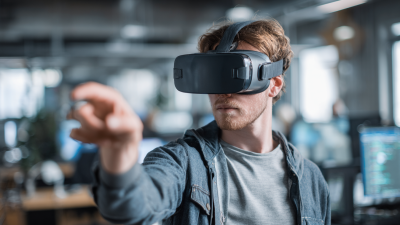
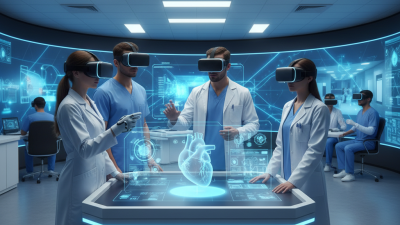
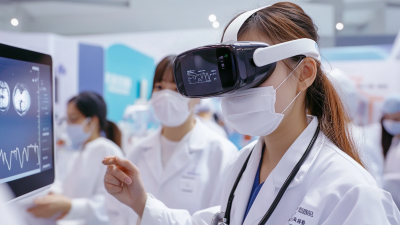
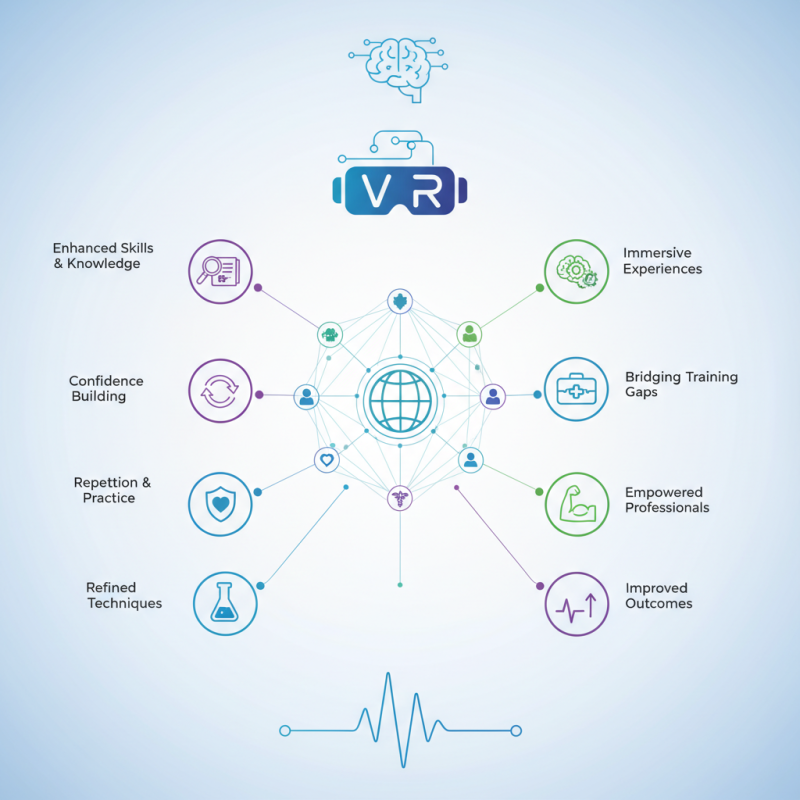
Virtual Reality (VR) training in healthcare is revolutionizing the way medical professionals learn and practice. This innovative approach offers immersive experiences that enhance skills and knowledge retention. Imagine a medical student performing surgery in a lifelike environment without the risks associated with real-life procedures. Such experiences help build confidence and competence.
VR training in healthcare allows for repetition and practice in a controlled setting. Mistakes can be made without jeopardizing patient safety, allowing practitioners to refine their techniques. However, the technology is not perfect. Some may struggle to adapt to the virtual environment, and accessibility remains a concern. Yet, the potential benefits far outweigh these challenges.
As the healthcare landscape evolves, VR training in healthcare presents exciting opportunities. It can bridge gaps in traditional training methods and better prepare professionals for real-world scenarios. This technology empowers healthcare workers, fostering skill development and improving patient outcomes in a safe and effective manner.
Virtual Reality (VR) training is reshaping healthcare. It offers immersive experiences for medical professionals. This technology helps enhance their skills in a safe environment. VR allows for realistic simulations, which can mimic actual scenarios in healthcare settings. Practitioners can practice surgeries or bedside manners without real-life consequences. This prepares them better for real patients.
Benefits of VR training include improved retention of information. Studies show that immersive learning boosts memory. Practitioners engage more deeply with the material. They can repeat specific procedures until mastery is achieved. VR can also help in training for rare situations. It allows learners to experience unique cases that they may not see often.
Tips: Always balance VR training with traditional methods. Don't rely solely on technology. Instructor feedback is still crucial for growth. Evaluate the effectiveness of VR sessions regularly. Identify areas needing improvement. These reflections are key to maximizing VR's benefits in healthcare training. Embrace both opportunities and challenges for optimal learning experiences.
| Benefit | Description | Impact on Healthcare |
|---|---|---|
| Immersive Learning | Provides realistic scenarios for hands-on practice without risk. | Enhances knowledge retention and skills application. |
| Cost-Effectiveness | Reduces the need for physical training materials and facilities. | Lowers training costs for healthcare organizations. |
| Safe Environment | Allows learners to practice procedures without endangering real patients. | Improves confidence and reduces the anxiety of learning. |
| Scalability | Easily implemented across different locations and large groups. | Facilitates widespread access to training programs. |
| Improved Patient Outcomes | Enhances learner capabilities, leading to better care for patients. | Contributes to increased patient safety and satisfaction. |
| Immediate Feedback | Provides real-time assessments and guidance during training. | Accelerates learning curve and alters practices as needed. |
| Standardized Training | Ensures consistent training across all staff and locations. | Promotes uniformity in procedure and practice. |
| Enhanced Collaboration | Facilitates teamwork through shared training environments. | Builds stronger inter-professional relationships. |
| Data-Driven Insights | Collects performance data to inform future training needs. | Enhances training effectiveness and ultimately patient care. |
| Adaptability | Can be tailored to specific training requirements and updates. | Keeps training relevant with evolving medical practices. |
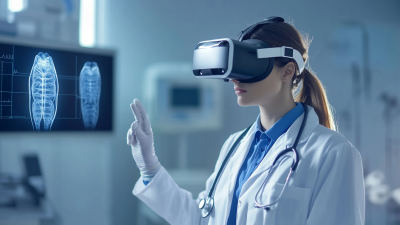
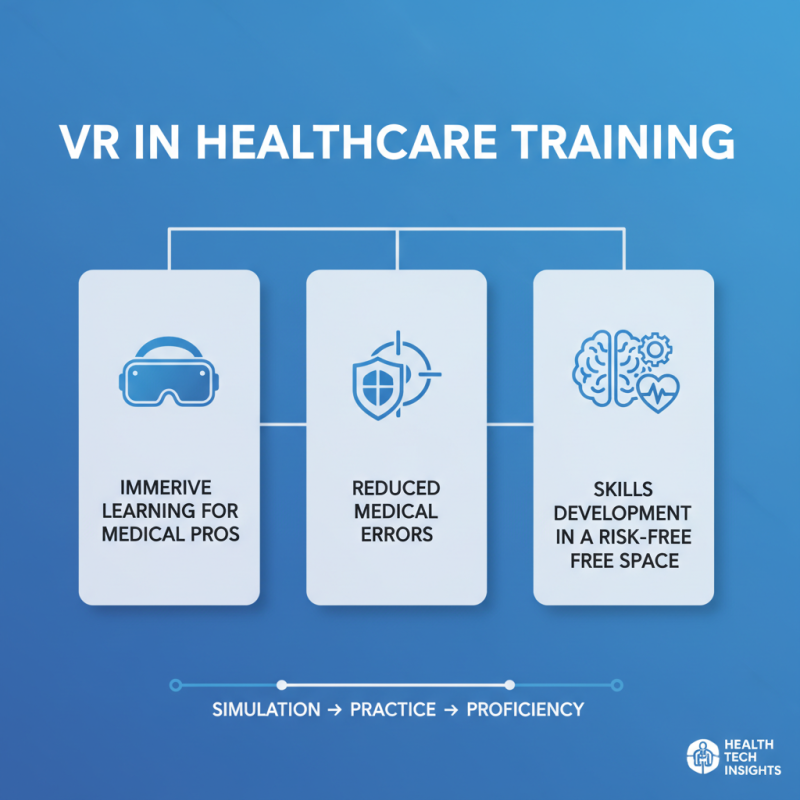
Virtual Reality (VR) in healthcare is transforming training methods. It offers immersive experiences for medical professionals. This is especially important for reducing medical errors. By simulating real-life scenarios, VR allows doctors and nurses to hone their skills in a risk-free environment.
In VR scenarios, practitioners can practice complex procedures repeatedly. They can make mistakes without real-world consequences. This encourages learning and builds confidence. Moreover, the visual and interactive nature of VR enhances retention. Individuals are more likely to remember their training when they engage actively.
Despite these advantages, the technology is still developing. Not all VR training modules are created equal. Some may lack realism or detail, which can hinder effective learning. Additionally, constant updates are needed to keep pace with medical advancements. As healthcare evolves, VR training must adapt to ensure optimal safety outcomes.
Virtual reality (VR) training is transforming healthcare education. It allows practitioners to engage in realistic simulations. This immersive experience enhances skills retention far beyond traditional methods. Medical professionals can practice procedures in a safe environment. Mistakes here are learning opportunities, not life-threatening errors.
In VR, focus becomes sharper. The immediate feedback creates a dynamic learning atmosphere. For instance, a surgeon can rehearse complex operations repeatedly. These repetitions lead to muscle memory. Over time, this reduces anxiety when facing real patients. However, progress isn’t guaranteed. Some may struggle with virtual environments or find them overwhelming. This makes it crucial to assess individual readiness and adaptability.
As VR training evolves, the importance of continuous improvement is evident. Not everyone retains knowledge at the same rate. While VR aids learning, reflection is essential. Practitioners should review their experiences regularly. Identifying gaps in understanding will ensure better outcomes. Balancing technology with traditional methods remains key.
The cost-effectiveness of virtual reality (VR) training in healthcare cannot be overlooked. By simulating real-life scenarios, VR reduces expenses associated with traditional training methods. For instance, hospitals can avoid high costs of physical simulation equipment. This saves both time and money while enhancing training quality.
Moreover, VR training minimizes resources spent on travel. Health professionals can engage in immersive training scenarios from their workplaces. This reduces downtime and helps maintain productivity. The technology allows for repetitive practice without extra expenses. The ability to repeat scenarios fosters deeper learning and retention.
However, investing in VR technology does require initial funding. Some healthcare institutions hesitate due to the upfront costs. It’s vital to weigh these against long-term savings. With ongoing advancements, VR could soon become essential. Determining its real impact is an ongoing process, requiring careful assessment from all stakeholders. In the evolving landscape of healthcare, balancing investment and savings is crucial.
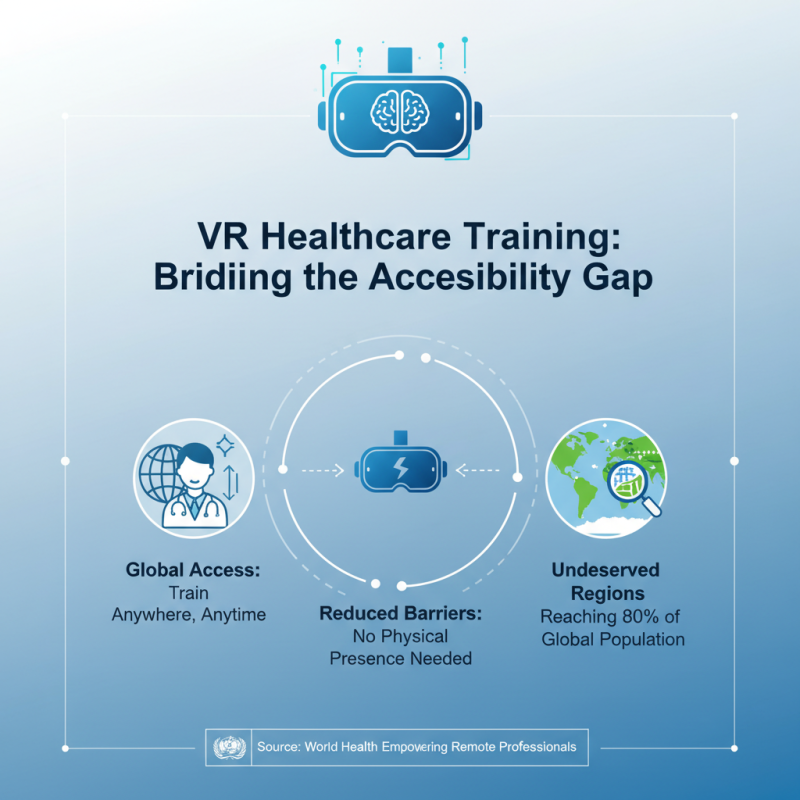
Virtual Reality (VR) training is transforming healthcare education. One of its key benefits is increased accessibility. Medical professionals can now access training programs from anywhere. With VR, the need for physical presence is reduced. This is especially beneficial for those in remote areas. According to a report by the World Health Organization, around 80% of the global population lives in underserved regions. VR can bridge this gap effectively.
While VR offers immense opportunities, it’s important to recognize its limitations. Technical issues can disrupt learning. Additionally, not all professionals are adept at using new technology. This may hinder their training progress. It's vital to provide comprehensive support during the transition to VR training methods.
Tips for enhancing VR training include engaging instructors in the design process. Their input can help tailor the training experience. Regular feedback from users can improve program effectiveness. Conducting surveys post-training can provide insights into areas needing enhancement. Ensuring that training remains user-friendly is crucial for success.