2026 Best Virtual Reality Technology Trends to Watch?
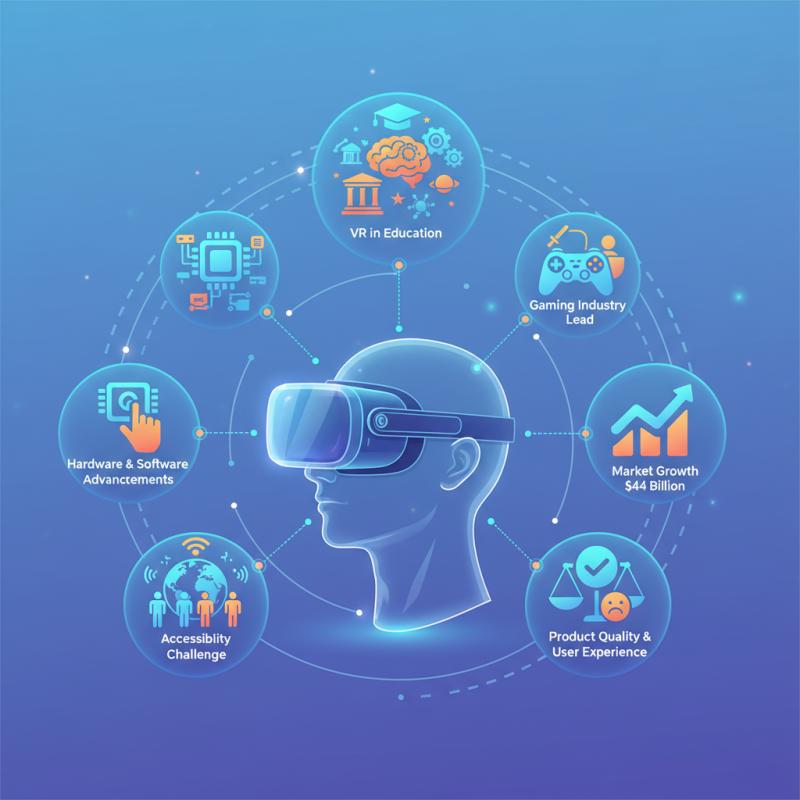
Virtual Reality Technology is rapidly evolving. Industry reports predict significant growth in this sector. By 2026, the global VR market could reach over $44 billion. This growth stems from advancements in hardware and software. Companies are investing heavily in immersive experiences.
One intriguing trend is the use of VR in education. Schools are integrating VR into their curriculums. Students can explore historical events or scientific phenomena in immersive environments. This engaging approach enhances learning but also raises questions about accessibility. How can all students benefit?
Moreover, the gaming industry continues to lead in VR adoption. Gamers seek more realistic experiences. Yet, not all VR content is created equally. Developers must prioritize product quality to avoid disappointing players. As Virtual Reality Technology advances, these challenges will need addressing. Balancing innovation with user experience is vital for long-term success.
Emerging VR Technologies Transforming User Experiences by 2026
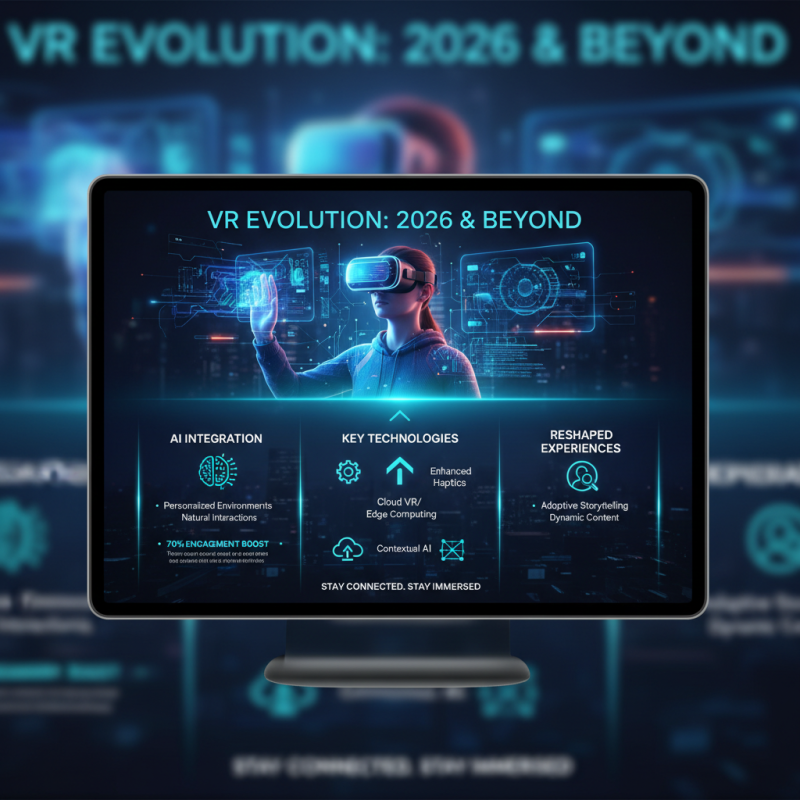
Virtual reality is rapidly evolving. By 2026, several emerging technologies will reshape user experiences. One major trend is the integration of artificial intelligence. AI can personalize VR environments. This allows users to interact with content more naturally. A recent industry report predicts that AI in VR could increase engagement levels by 70%. Personalized experiences will keep users coming back.
Haptic feedback technology is another area to watch. This tech creates a sense of touch in virtual environments. Studies reveal that 80% of users feel more immersed with enhanced tactile feedback. It can significantly change gaming and training sectors. However, there are challenges. Implementing this technology can be costly. Not all VR setups will support it immediately.
Moreover, the rise of social VR will connect users globally. Virtual spaces will host events, meetings, and even classrooms. According to current forecasts, social VR platforms could increase by 300% in user numbers. Yet, this also raises concerns. Privacy issues and user safety must be addressed. As VR continues to grow, the industry will need to navigate these complexities carefully.
Advancements in VR Hardware: Immersion and Performance Enhancements
Advancements in virtual reality (VR) hardware are reshaping the user experience. Emerging technologies such as
foveated rendering enhance visual quality. This method only renders the area where a user is looking, saving processing power and improving performance.
According to a report, this can increase frame rates by up to 70%. Users will enjoy smoother and more immersive experiences.
New developments in haptic feedback technology are also critical. Advanced tactile sensations create a more realistic environment. For example,
wearing gloves that simulate touch can heighten experiences in gaming or training simulations. Data shows that over 50% of VR users feel more engaged when tactile feedback is involved.
Despite these advancements, challenges remain. High production costs continue to limit accessibility. The VR sector must find ways to make cutting-edge technology affordable.
Additionally, there are concerns about motion sickness that some users still experience. Addressing these issues is essential for widespread adoption.
As the industry progresses, balancing innovation with user comfort will be a pivotal focus.
AI Integration in Virtual Reality: Personalized Interactions and Content
AI integration in virtual reality is transforming the way users engage with digital content. Personalized interactions are becoming the norm, creating immersive experiences. Imagine stepping into a virtual world that adapts to your preferences. This technology learns from your behavior. It tailors environments, characters, and narratives to make each experience unique.
Tips for better personalization: Focus on the details. The more information the AI gathers, the better your experience will be. Don't hesitate to provide feedback. It's crucial for improving interactions. Sometimes, the AI might misinterpret your choices. Reflect on your feedback to guide it.
As VR continues to evolve, inconsistencies may arise. AI algorithms are not perfect. Users might find glitches or unforeseen outcomes. These moments can disrupt immersion. However, they can also lead to unexpected discoveries. Embrace these imperfections. They are part of the journey in exploring new virtual realms. The future of AI and VR holds exciting possibilities, but there's room for growth and improvement.
Trends in Social VR: Building Communities in Virtual Environments
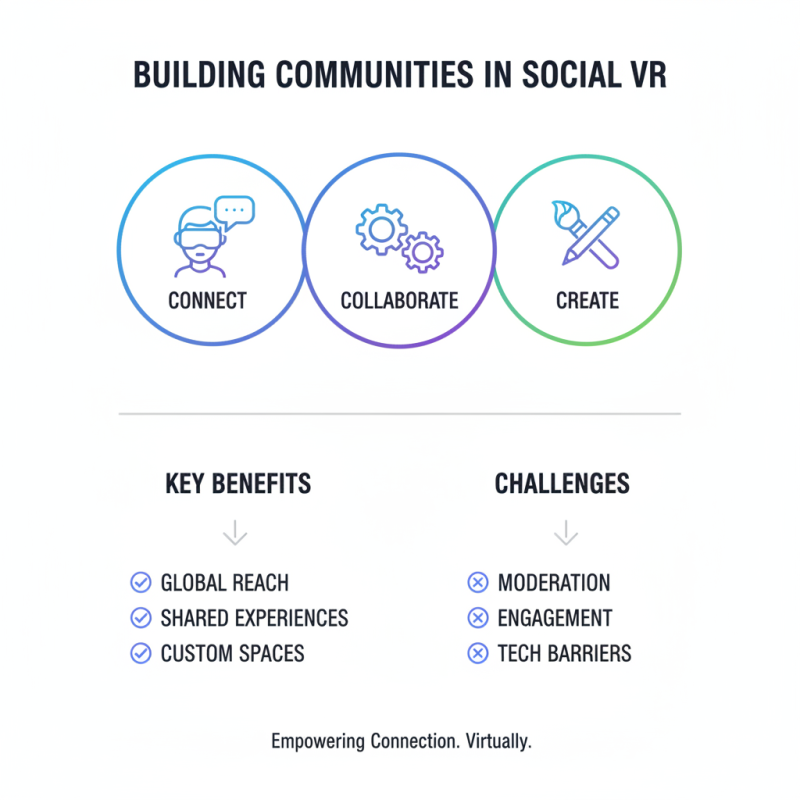
In recent years, social VR has emerged as a powerful tool for building communities. Virtual environments now allow people to connect, collaborate, and create together. Users can design their own spaces, share experiences, and engage in meaningful interactions. Yet, creating a thriving virtual community is not always straightforward.
One essential tip is to focus on inclusivity. Design your virtual space to welcome diverse users. This encourages different perspectives and ideas. Another important aspect is user engagement. Regular activities and events can keep the community lively. Think about game nights, virtual concerts, or collaborative projects. Without these, users may lose interest.
Many platforms still struggle with moderation issues. Ensuring a safe environment can be challenging. It is crucial to have clear guidelines. Users must feel free to express themselves without fear of harassment. Regularly revisiting these rules helps maintain a positive atmosphere. Remember, a vibrant community needs constant nurturing.
Applications of VR in Education and Training: Revolutionizing Learning Methods
Virtual reality (VR) is transforming education and training. It offers immersive experiences that enhance learning. According to a recent report by Research and Markets, the VR in education market is expected to grow to $13 billion by 2026. This growth highlights its potential in various educational settings.
In classrooms, VR can bring lessons to life. Students can explore ancient ruins or conduct virtual science experiments. A study by PwC found that VR training can lead to a 40% increase in knowledge retention. However, the technology requires significant investment, which can be a barrier for some institutions. Not all educators are trained to use VR effectively, leading to inconsistent experiences.
Training programs in industries like healthcare and manufacturing find VR invaluable. Simulations allow trainees to practice skills safely. The Global Industry Analysts project the use of VR in corporate training will reach $6 billion by 2025. Yet, there are challenges. Not everyone adapts well to VR environments, and some find them disorienting. Balancing technology with effective teaching methods remains crucial. Through ongoing research and development, VR can truly reshape how we learn.
2026 Best Virtual Reality Technology Trends to Watch - Applications of VR in Education and Training: Revolutionizing Learning Methods
| Trend |
Description |
Potential Impact |
Implementation Stage |
| Immersive Learning Environments |
Creating virtual classrooms that simulate real-life situations for enhanced learning. |
Increased student engagement and retention rates. |
Pilot Phase |
| VR-Based Assessment Tools |
Assessment techniques that use VR to evaluate student performance in realistic scenarios. |
More accurate and holistic student evaluations. |
Development Stage |
| Adaptive Learning in VR |
Learning platforms that adapt content based on student interaction within VR. |
Personalized education experiences catering to individual learning paces. |
Concept Testing |
| Collaboration Tools in VR |
Platforms that enable students to collaborate in a virtual environment regardless of their physical location. |
Enhanced teamwork skills and project-based learning. |
Active Development |
| VR for Special Education |
Utilizing VR to create adaptive learning experiences for students with special needs. |
Inclusion and accessibility in education. |
Research Ongoing |